Stress Management Techniques for Nurses
Stress management techniques for nurses – Stress management is crucial in the nursing profession to ensure the well-being of nurses and the quality of patient care. Nurses often face high-pressure situations that can lead to burnout and affect their mental and physical health.
Common Stressors for Nurses
- Heavy workloads and long shifts
- Dealing with critical patient conditions
- Lack of resources and support
- Emotional demands and empathy fatigue
- Conflict with colleagues or superiors
Stress Management Techniques
Here are some effective stress management techniques tailored for nurses:
- Practice mindfulness and deep breathing exercises to stay present and calm during hectic shifts.
- Engage in regular physical activity to reduce stress and improve overall well-being.
- Establish a strong support system with colleagues and friends to share experiences and seek advice.
- Set boundaries to maintain a healthy work-life balance and prevent burnout.
- Attend stress management workshops or counseling sessions to develop coping strategies.
Integrating Stress Management into Daily Nursing Routines
- Schedule short breaks during shifts to recharge and relax.
- Practice gratitude by reflecting on positive experiences with patients or colleagues.
- Create a calming environment in break rooms or work areas with soothing music or aromatherapy.
- Use visualization techniques to imagine successful outcomes in challenging situations.
Healthy Lifestyle for Nurses
Maintaining a healthy lifestyle is crucial for nurses to ensure they can provide optimal care to their patients while also taking care of themselves. Let’s delve into the components of a healthy lifestyle for nurses, the benefits it brings to the nursing profession, and some tips for incorporating healthy habits into their busy schedules.
Components of a Healthy Lifestyle for Nurses
- Regular Exercise: Engaging in physical activity not only helps in maintaining a healthy weight but also boosts energy levels and reduces stress.
- Healthy Eating Habits: Consuming a balanced diet rich in fruits, vegetables, lean proteins, and whole grains is essential for overall well-being.
- Adequate Sleep: Getting enough rest is vital for nurses to recharge and stay alert during their shifts.
- Stress Management: Implementing stress-relieving techniques such as deep breathing exercises, mindfulness, or yoga can help in dealing with the demands of the job.
- Social Support: Building a strong support system with colleagues, friends, and family members can provide emotional support and reduce feelings of isolation.
Benefits of Maintaining a Healthy Lifestyle in the Nursing Profession
- Enhanced Physical Health: By taking care of their bodies, nurses can reduce the risk of developing chronic diseases and improve their overall health.
- Improved Mental Well-being: A healthy lifestyle can help in reducing stress, anxiety, and burnout, leading to better mental health outcomes.
- Increased Productivity: When nurses are physically and mentally healthy, they can perform their duties more efficiently and effectively.
Tips for Incorporating Healthy Habits into a Nurse’s Busy Schedule
- Plan Meals Ahead: Prepare healthy meals in advance to avoid relying on fast food or unhealthy options during busy shifts.
- Schedule Exercise: Block out time for physical activity in your daily routine, even if it’s just a short walk during breaks.
- Prioritize Sleep: Create a sleep routine and ensure you get the recommended hours of rest each night.
- Practice Mindfulness: Take short breaks throughout the day to practice mindfulness techniques and reduce stress levels.
- Stay Hydrated: Keep a water bottle with you at all times to ensure you stay hydrated and maintain energy levels.
Medical Innovations in Stress Management
Medical innovations play a crucial role in developing advanced techniques to manage stress effectively, especially in high-pressure environments like healthcare settings. These advancements have significantly influenced the way nurses approach stress management in their daily work.
Virtual Reality (VR) Therapy
Virtual Reality (VR) therapy has emerged as a groundbreaking tool in stress management for nurses. By immersing themselves in calming virtual environments, nurses can reduce stress and anxiety levels. This technology helps them escape from the demands of their work temporarily, promoting relaxation and mental well-being.
Biofeedback Devices
Biofeedback devices are another innovative approach to stress management for nurses. These devices monitor physiological indicators like heart rate, breathing patterns, and muscle tension. By providing real-time feedback, nurses can learn to control their stress responses and implement relaxation techniques effectively.
Mindfulness Apps
With the rise of digital health solutions, mindfulness apps have become increasingly popular among nurses for stress management. These apps offer guided meditation sessions, breathing exercises, and stress-relief techniques that can be accessed anytime, anywhere. By incorporating mindfulness practices into their daily routine, nurses can enhance their resilience to workplace stress.
Nutritional Supplements for Stress Relief
When it comes to managing stress, nurses can benefit from incorporating nutritional supplements into their routine. These supplements can help support the body during times of stress and promote overall well-being.
Role of Nutritional Supplements in Managing Stress for Nurses
Nutritional supplements play a crucial role in managing stress for nurses by providing essential vitamins, minerals, and nutrients that may be depleted during stressful periods. These supplements can help the body cope with the physical and emotional demands of the nursing profession.
Specific Supplements for Reducing Stress Levels
- Omega-3 fatty acids: Omega-3s have been shown to help reduce anxiety and promote a sense of calm.
- Magnesium: Magnesium can help relax muscles and calm the nervous system, reducing stress levels.
- Vitamin B complex: B vitamins are essential for energy production and can help support the nervous system during times of stress.
- Ashwagandha: An adaptogenic herb that can help the body adapt to stress and promote relaxation.
Guidelines for Safe and Effective Use of Nutritional Supplements for Stress Relief
- Consult with a healthcare provider before starting any new supplement regimen, especially if you have underlying health conditions or are taking medications.
- Choose high-quality supplements from reputable brands to ensure potency and purity.
- Follow the recommended dosage instructions on the supplement label to avoid potential side effects.
- Monitor your response to the supplements and adjust dosage as needed based on how you feel.
Fitness Routine for Nurses
Physical activity and exercise play a crucial role in managing stress for nurses. Regular fitness routines not only help alleviate stress but also contribute to overall well-being.
The Importance of Physical Activity, Stress management techniques for nurses
- Engaging in regular physical activity can help reduce the levels of stress hormones in the body, such as cortisol.
- Exercise promotes the release of endorphins, also known as “feel-good” hormones, which can improve mood and reduce stress.
- Physical activity can help nurses improve their physical health, leading to better stamina and resilience in handling the demands of their job.
Suitable Fitness Routines for Nurses
- Aerobic exercises like brisk walking, jogging, cycling, or dancing can help improve cardiovascular health and reduce stress levels.
- Strength training exercises using body weight, resistance bands, or weights can increase muscle strength and endurance, helping nurses cope with the physical demands of their work.
- Yoga and Pilates are excellent options for improving flexibility, balance, and relaxation, which can be beneficial in managing stress.
Impact of Regular Exercise on Mental Well-being
- Regular exercise has been shown to reduce symptoms of anxiety and depression, common issues faced by nurses due to job-related stress.
- Physical activity can improve cognitive function, memory, and focus, enhancing nurses’ ability to cope with stress and perform their duties effectively.
- Consistent exercise can help nurses establish a routine that provides a sense of control and accomplishment, boosting their confidence and resilience in dealing with stressors.
Health Screenings for Stress Management
Health screenings play a crucial role in identifying stress-related health issues among nurses. By undergoing regular screenings, nurses can detect potential health problems early on and take proactive measures to manage and prevent stress-related conditions.
Recommended Health Screenings for Stress Management
- Blood Pressure Monitoring: Regular blood pressure checks can help nurses identify hypertension, a common stress-related condition. Maintaining healthy blood pressure levels is essential for overall well-being and stress reduction.
- Cholesterol Screening: Monitoring cholesterol levels can help nurses assess their risk of heart disease, which can be exacerbated by chronic stress. Managing cholesterol through diet, exercise, and medication can contribute to stress management.
- Stress Hormone Testing: Cortisol levels, known as the stress hormone, can be measured through tests to evaluate the body’s response to stress. Understanding cortisol levels can provide insights into stress management strategies.
Benefits of Regular Health Screenings
Regular health screenings not only help in early detection of stress-related health issues but also contribute to overall well-being and stress reduction. By monitoring key health indicators, nurses can make informed decisions about their lifestyle, diet, and exercise routine to better manage stress and prevent related health complications.
Disease Prevention Strategies for Nurses
Implementing disease prevention strategies is crucial for reducing stress among nurses and maintaining overall well-being. By focusing on prevention, nurses can proactively manage their health and reduce the risk of developing illnesses that can add to their stress levels.
Regular Exercise
- Engage in regular physical activity to boost immunity and reduce the risk of chronic diseases.
- Include both cardio and strength training exercises in your fitness routine to improve overall health.
- Take short breaks during shifts to stretch and move around to prevent muscle stiffness and improve circulation.
Healthy Eating Habits
- Consume a balanced diet rich in fruits, vegetables, whole grains, and lean proteins to provide essential nutrients for the body.
- Avoid processed foods, sugary drinks, and excessive caffeine intake, which can negatively impact health and contribute to stress.
- Stay hydrated throughout the day to support bodily functions and promote overall well-being.
Regular Health Screenings
- Attend regular health screenings and check-ups to monitor your health status and detect any potential issues early on.
- Keep track of important health indicators such as blood pressure, cholesterol levels, and blood sugar to prevent the development of chronic conditions.
- Follow up with healthcare providers for any recommended tests or screenings to stay proactive about your health.
Sleep Hygiene Tips for Nurses: Stress Management Techniques For Nurses
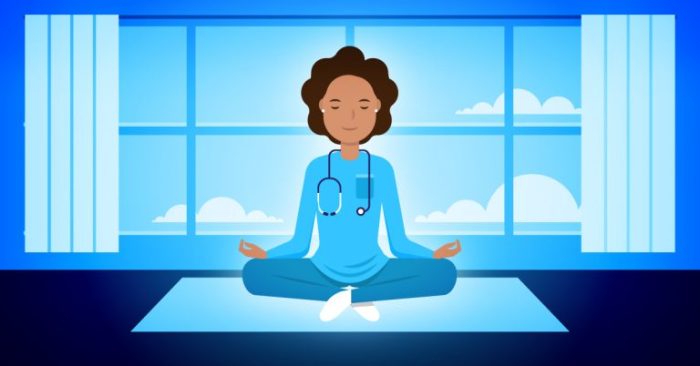
Good sleep hygiene is crucial for nurses in managing stress effectively. Quality sleep plays a vital role in overall well-being and can significantly impact stress levels.
Practical Tips for Improving Sleep Quality and Quantity
- Avoid caffeine and heavy meals close to bedtime.
- Create a relaxing bedtime routine to signal your body it’s time to sleep.
- Ensure your sleep environment is dark, quiet, and at a comfortable temperature.
- Avoid screens (phones, tablets, computers) at least an hour before bed.
- Try to maintain a consistent sleep schedule, even on days off.
Impact of Adequate Rest and Sleep on Stress Levels
Getting enough rest and quality sleep can help nurses cope better with the demands of their job, leading to reduced stress levels. Sleep allows the body to recharge, repair, and rejuvenate, promoting overall well-being and mental clarity.
Mental Clarity Techniques for Nurses
Maintaining mental clarity is crucial for nurses to make critical decisions and provide optimal care to patients in high-stress environments. Let’s explore techniques and practices that can help nurses enhance their mental clarity and focus.
Mindfulness Meditation
Mindfulness meditation is a powerful technique that can help nurses improve their mental clarity and focus. By practicing mindfulness, nurses can learn to be fully present in the moment, reducing stress and improving cognitive function.
Deep Breathing Exercises
Deep breathing exercises can help nurses calm their minds and improve mental clarity. By taking deep, slow breaths, nurses can reduce anxiety and enhance their ability to focus on the task at hand.
Regular Exercise
Engaging in regular physical exercise is not only beneficial for the body but also for the mind. Exercise releases endorphins that can help improve mood, reduce stress, and enhance mental clarity for nurses.
Healthy Diet
Eating a balanced and nutritious diet is essential for maintaining mental clarity. Consuming foods rich in antioxidants, omega-3 fatty acids, and vitamins can support brain health and cognitive function.
Importance of Hydration for Stress Management
Hydration plays a crucial role in stress management and overall health for nurses. Proper hydration is essential for maintaining optimal physical and mental function, especially in high-stress environments like healthcare settings.
Effects of Dehydration on Stress Levels and Cognitive Function
- Dehydration can significantly impact stress levels by increasing cortisol production, the primary stress hormone. This can lead to heightened anxiety, irritability, and difficulty in coping with work pressures.
- Furthermore, dehydration can impair cognitive function, affecting memory, focus, and decision-making abilities. This can be detrimental for nurses who require sharp mental acuity to provide quality patient care.
- Studies have shown that even mild dehydration can lead to decreased cognitive performance and mood disturbances, contributing to higher stress levels among healthcare professionals.
Hydration Tips and Guidelines for Nurses
- Carry a reusable water bottle and aim to drink at least 8-10 glasses of water throughout the day to stay hydrated.
- Avoid excessive consumption of caffeinated beverages, as they can have diuretic effects and contribute to dehydration.
- Monitor the color of your urine to ensure you are adequately hydrated. Pale yellow urine is a good indicator of proper hydration.
- Include hydrating foods in your diet, such as fruits and vegetables with high water content, to supplement your fluid intake.
- Set reminders or establish a hydration routine to ensure you are consistently drinking water, especially during busy shifts.
FAQ Summary
How can nurses effectively integrate stress management techniques into their daily routines?
Nurses can start by identifying their specific stress triggers and then incorporating techniques like deep breathing exercises, mindfulness practices, and regular physical activity to mitigate stress levels throughout the day.
Are there any innovative technologies that nurses can use for stress management?
Yes, there are various apps and wearable devices that can help nurses track their stress levels, monitor their well-being, and provide guided relaxation exercises to manage stress effectively.
What role does nutrition play in stress relief for nurses?
Nutritional supplements like magnesium, omega-3 fatty acids, and vitamin B complex can aid in stress reduction for nurses by supporting their nervous system function and overall well-being.


More Stories
Hydration and its impact on weight loss: Discovering the crucial link
Skin cancer health screenings near me: Convenient and Essential Services for Local Residents
Outdoor activities for promoting a healthy lifestyle: Engage in Nature for Better Well-being