How to encourage healthy habits in children for lifelong wellness is a question that resonates with every parent and educator. From the moment a child is born, their environment shapes their habits and influences their overall health. By understanding the importance of early intervention, we can equip children with the tools they need to thrive physically, mentally, and emotionally throughout their lives.
This comprehensive guide will delve into the key aspects of fostering healthy habits in children, covering nutrition, physical activity, sleep, emotional well-being, stress management, disease prevention, and the crucial role of parents and educators. We will explore practical strategies, evidence-based recommendations, and real-world examples to empower you to create a nurturing environment that supports children’s healthy development.
Building Healthy Habits from the Start
The foundation for a healthy life is laid in childhood. Establishing healthy habits early on can set the stage for lifelong wellness. By introducing children to nutritious foods, physical activity, and positive lifestyle choices, parents and caregivers can foster their well-being and reduce the risk of chronic diseases later in life.
Early Childhood Experiences Shape Health Behaviors
The first few years of life are critical for shaping health behaviors. Children learn by observing and imitating their parents, siblings, and other role models. If children are exposed to healthy habits from a young age, they are more likely to adopt them as their own.
Conversely, if children are surrounded by unhealthy habits, they are more likely to develop unhealthy behaviors.
Age-Appropriate Healthy Habits for Different Age Groups
- Infants (0-12 months):Breastfeeding provides numerous health benefits, including protection against infections and allergies. Introducing solid foods around 6 months, focusing on iron-rich options like pureed meats and beans. Encourage tummy time and supervised playtime to promote motor development.
- Toddlers (1-3 years):Offer a variety of healthy foods, including fruits, vegetables, whole grains, and lean protein. Limit sugary drinks and processed foods. Encourage active play, such as running, jumping, and dancing. Read books and sing songs to stimulate language development.
- Preschoolers (3-5 years):Involve children in meal preparation and grocery shopping. Encourage them to try new foods. Provide opportunities for physical activity, such as playing outdoors, going for walks, or joining a sports team. Read stories together and engage in creative activities.
- School-Aged Children (6-12 years):Continue to offer a variety of healthy foods and encourage children to make their own healthy choices. Promote physical activity and screen time limits. Teach children about healthy eating and the importance of physical activity. Encourage involvement in extracurricular activities.
Making Healthy Choices Fun and Engaging for Children
- Involve children in meal planning and preparation.Let them choose fruits and vegetables for snacks or help prepare a simple meal.
- Make physical activity fun.Take walks in the park, go for bike rides, or play games together.
- Set a good example.Children learn by observing their parents and caregivers. Make healthy choices yourself and encourage your children to do the same.
- Reward healthy behaviors.Instead of offering sugary treats as rewards, try giving children praise, stickers, or other non-food rewards.
- Make healthy eating a family affair.Eat meals together as a family and talk about the importance of healthy food choices.
Nutrition for Growing Bodies: How To Encourage Healthy Habits In Children For Lifelong Wellness
A balanced diet is crucial for children’s growth and development. It provides the essential nutrients they need to thrive physically, mentally, and emotionally.
Nutrition plays a critical role in building strong bones, supporting brain function, and boosting immunity. It also influences children’s energy levels, mood, and overall well-being. A well-nourished child is better equipped to learn, play, and participate in life to the fullest.
Sample Meal Plan, How to encourage healthy habits in children for lifelong wellness
Here’s a sample meal plan that incorporates a variety of nutrient-rich foods:
- Breakfast:Oatmeal with berries and nuts, whole-grain toast with avocado, or scrambled eggs with whole-wheat toast.
- Lunch:Turkey and cheese sandwich on whole-wheat bread with a side of fruit and vegetables, or a salad with grilled chicken or tofu.
- Dinner:Salmon with roasted vegetables, chicken stir-fry with brown rice, or lentil soup with whole-grain bread.
- Snacks:Fruits, vegetables, yogurt, or a handful of nuts and seeds.
Encouraging Healthy Eating Habits
Here are some strategies to encourage children to try new foods and enjoy healthy meals:
- Involve children in meal preparation:Let them help with grocery shopping, washing fruits and vegetables, or setting the table. This can make them more interested in trying what they’ve helped prepare.
- Make mealtimes fun and engaging:Use colorful plates, fun-shaped cutters, or create a theme for dinner. This can make mealtimes more enjoyable for children.
- Be patient and persistent:It may take several tries for children to accept new foods. Don’t give up easily and keep offering them healthy options.
- Set a good example:Children learn by watching their parents and caregivers. Make sure you’re eating a healthy diet yourself.
- Avoid using food as a reward or punishment:This can create unhealthy associations with food.
Limiting Unhealthy Foods
It’s important to limit processed foods, sugary drinks, and unhealthy fats. These foods can contribute to weight gain, tooth decay, and other health problems.
- Processed foods:These are foods that have been heavily processed and often contain high amounts of sugar, salt, and unhealthy fats. Examples include packaged snacks, fast food, and sugary cereals.
- Sugary drinks:Sodas, fruit juices, and other sugary drinks are high in calories and can contribute to weight gain, tooth decay, and other health problems.
- Unhealthy fats:These are fats that are solid at room temperature and are often found in processed foods, fried foods, and baked goods. Examples include butter, margarine, and lard.
Sleep and Rest
Sleep is a fundamental pillar of health, especially for children. It’s not just about resting their bodies; sleep is crucial for their physical, cognitive, and emotional development. During sleep, children’s bodies and minds work tirelessly to repair, grow, and consolidate memories, setting the stage for a productive and healthy day.
Creating a Conducive Sleep Environment
A well-designed sleep environment can significantly contribute to a child’s sleep quality. Here are some tips for creating a sleep-friendly haven:
- Establish a Regular Sleep Schedule:Consistent bedtimes and wake-up times, even on weekends, help regulate the body’s natural sleep-wake cycle, promoting better sleep.
- Create a Relaxing Bedtime Routine:A calming routine, like a warm bath, reading a book, or quiet playtime, signals to the body that it’s time to wind down.
- Ensure a Dark, Quiet, and Cool Room:Darkness helps produce melatonin, the sleep hormone. A quiet environment minimizes distractions, and a slightly cooler room temperature promotes comfortable sleep.
- Limit Screen Time Before Bed:The blue light emitted from electronic devices can interfere with melatonin production, making it harder to fall asleep.
Impact of Sleep Deprivation
Insufficient sleep can have a profound impact on a child’s well-being, affecting their mood, behavior, and academic performance. Sleep deprivation can lead to:
- Irritability and Mood Swings:Lack of sleep can make children more prone to frustration, anger, and emotional outbursts.
- Difficulty Concentrating:Sleep-deprived children may struggle to focus in school, leading to poor academic performance.
- Increased Risk of Health Problems:Chronic sleep deprivation can increase the risk of obesity, diabetes, and other health issues.
Addressing Sleep Problems
If a child is experiencing persistent sleep problems, it’s important to seek professional help. A healthcare provider can identify any underlying medical conditions and recommend appropriate interventions. Some common strategies for addressing sleep problems include:
- Cognitive Behavioral Therapy for Insomnia (CBT-I):This therapy helps children identify and change negative thoughts and behaviors that contribute to sleep difficulties.
- Relaxation Techniques:Deep breathing exercises, mindfulness meditation, and progressive muscle relaxation can help children calm their minds and bodies before bed.
- White Noise or Other Soothing Sounds:Gentle background noise can help block out distractions and create a more peaceful sleep environment.
Emotional Wellbeing and Mental Health
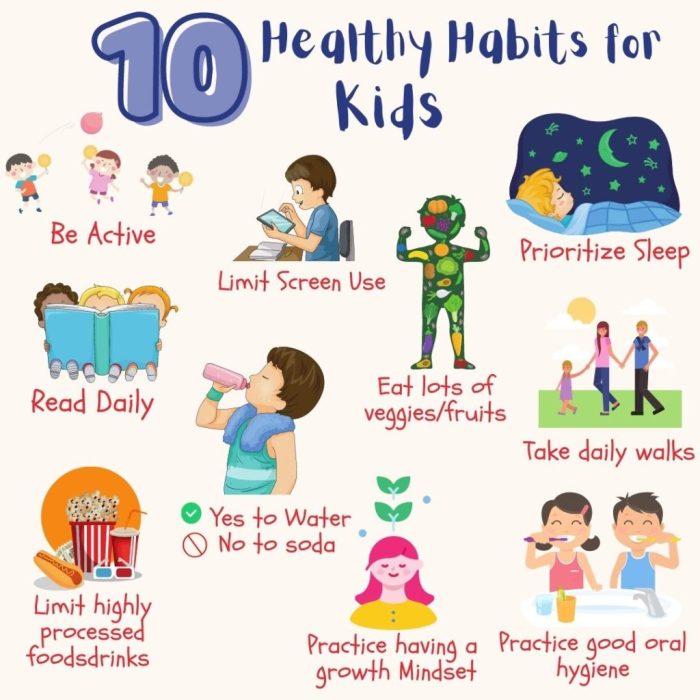
Just as physical health is essential for children’s growth and development, their emotional well-being and mental health play a crucial role in their overall well-being. Nurturing these aspects early on sets the foundation for a fulfilling and balanced life.
Emotional Intelligence and Self-Regulation
Emotional intelligence, the ability to understand and manage one’s own emotions and those of others, is a vital skill for children. It empowers them to navigate social situations effectively, build strong relationships, and cope with challenges. Self-regulation, the ability to control impulses and behaviors, is an integral part of emotional intelligence.
It helps children manage their feelings, respond appropriately in different situations, and build resilience.
Teaching Coping Mechanisms for Stress and Managing Emotions
Children face various stressors in their daily lives, from academic pressures to social dynamics. Equipping them with effective coping mechanisms is crucial for their emotional well-being.
- Deep Breathing Exercises:Simple breathing exercises can help children calm down when feeling overwhelmed or anxious. For example, encouraging them to take slow, deep breaths and focus on their breath can promote relaxation.
- Mindfulness and Meditation:Mindfulness practices involve paying attention to the present moment without judgment. Simple mindfulness exercises, such as focusing on sounds or sensations, can help children develop a sense of awareness and manage their emotions.
- Creative Expression:Engaging in creative activities like drawing, painting, or writing can be a healthy outlet for children to express their feelings and process emotions.
- Positive Self-Talk:Teaching children to challenge negative thoughts and replace them with positive affirmations can boost their self-esteem and resilience.
The Role of Positive Relationships and Supportive Environments
Strong and supportive relationships are essential for children’s emotional well-being. Positive interactions with family, friends, and educators create a sense of belonging, security, and emotional support.
- Family Dynamics:A loving and supportive family environment provides a safe space for children to express their feelings, receive validation, and build self-confidence. Open communication, active listening, and consistent affection are crucial for fostering emotional well-being.
- School Environment:A positive and nurturing school environment with caring teachers and peers can significantly impact a child’s emotional development. Creating a sense of community and inclusivity can help children feel safe, valued, and supported.
Recognizing Signs of Emotional Distress and Seeking Help
It’s essential to be aware of potential signs of emotional distress in children. These signs can vary depending on the child’s age and personality, but some common indicators include:
- Changes in Behavior:Sudden shifts in behavior, such as increased aggression, withdrawal from social activities, or difficulty concentrating, could indicate emotional distress.
- Physical Symptoms:Emotional distress can manifest physically in children. Headaches, stomachaches, or sleep disturbances could be signs of underlying emotional issues.
- Changes in Mood:Persistent sadness, anxiety, or irritability can be warning signs.
If you notice any of these signs in your child, it’s important to seek professional help. A mental health professional can assess the situation, provide support, and recommend appropriate interventions.
Stress Management and Resilience
Stress is a normal part of life, but it can have a significant impact on children’s physical and mental health, especially when it becomes chronic. Understanding how to manage stress and build resilience is crucial for their well-being and overall development.
The Impact of Stress on Children
Chronic stress can negatively affect children’s physical and mental health. It can lead to various issues, including:
- Physical Health Problems:Stress can weaken the immune system, making children more susceptible to illnesses. It can also contribute to headaches, stomachaches, and sleep problems.
- Mental Health Issues:Prolonged stress can increase the risk of anxiety, depression, and behavioral problems. It can also interfere with cognitive function, making it harder for children to focus and learn.
- Behavioral Changes:Children under stress may exhibit changes in behavior, such as becoming withdrawn, irritable, or aggressive. They might also have difficulty managing their emotions and reacting appropriately to situations.
Teaching Children Stress Management Skills
It’s important to equip children with effective stress management techniques. Here are some strategies to help them cope:
- Mindfulness and Relaxation Exercises:These practices help children become more aware of their thoughts, feelings, and bodily sensations. Simple exercises like deep breathing, meditation, or guided imagery can promote relaxation and reduce stress.
- Physical Activity:Exercise is a great stress reliever. Engaging in physical activity releases endorphins, which have mood-boosting effects. Encourage children to participate in sports, dance, or other activities they enjoy.
- Creative Outlets:Art, music, and writing can be powerful tools for emotional expression and stress management. Encourage children to explore their creativity through these mediums.
- Positive Self-Talk:Teach children to challenge negative thoughts and replace them with positive affirmations. This can help them develop a more optimistic outlook and build self-confidence.
Building Resilience and Coping Mechanisms
Resilience is the ability to bounce back from adversity. Helping children develop resilience is essential for their long-term well-being. Here are some ways to foster this quality:
- Problem-Solving Skills:Encourage children to identify problems, brainstorm solutions, and take action. This empowers them to feel a sense of control and agency in challenging situations.
- Social Support:Strong relationships with family, friends, and community members provide a sense of belonging and support. Encourage children to build healthy connections with others.
- Positive Role Models:Exposing children to positive role models who demonstrate resilience and coping skills can inspire them to develop these qualities themselves.
Activities that Promote Emotional Well-being and Stress Reduction
Engaging in activities that promote emotional well-being and stress reduction can significantly benefit children’s overall health. Here are some examples:
- Spending Time in Nature:Being in nature has a calming effect on the mind and body. Encourage children to spend time outdoors, whether it’s going for a walk, playing in a park, or simply enjoying the fresh air.
- Playing Games:Games can provide opportunities for fun, laughter, and social interaction. Encourage children to play board games, card games, or video games with friends or family.
- Reading:Reading can transport children to different worlds and provide a welcome escape from stress. Encourage children to read books, magazines, or online articles that interest them.
- Listening to Music:Music can evoke strong emotions and provide comfort. Encourage children to listen to music they enjoy, whether it’s classical, pop, or rock.
Disease Prevention and Health Screenings
Regular health screenings and preventive care are crucial for children’s well-being. They help identify potential health issues early, allowing for timely intervention and reducing the risk of serious complications. By addressing health concerns proactively, children can enjoy a healthier childhood and lay the foundation for a healthy future.
Common Childhood Illnesses and Vaccinations
Vaccinations are a cornerstone of preventive care for children. They protect against serious and potentially life-threatening diseases. The Centers for Disease Control and Prevention (CDC) recommends a comprehensive vaccination schedule for children, starting at birth. Vaccinations help build the immune system, reducing the risk of contracting and spreading diseases.
Here are some common childhood illnesses and their corresponding vaccinations:
- Measles, Mumps, and Rubella (MMR):This vaccine protects against three highly contagious viral diseases. Measles can cause serious complications, including pneumonia and encephalitis. Mumps can cause swelling of the salivary glands, and rubella can lead to birth defects in pregnant women.
- Diphtheria, Tetanus, and Pertussis (DTaP):This vaccine protects against three serious bacterial infections. Diphtheria can cause breathing problems and heart failure. Tetanus causes muscle spasms, and pertussis, also known as whooping cough, can cause severe coughing fits.
- Polio:This vaccine protects against polio, a highly contagious viral disease that can cause paralysis. The polio vaccine has been incredibly effective in eliminating polio in many parts of the world.
- Hepatitis B:This vaccine protects against hepatitis B, a viral infection that can cause liver damage and cancer. The hepatitis B vaccine is given in a series of shots.
- Haemophilus influenzae type b (Hib):This vaccine protects against Hib, a bacterial infection that can cause serious illnesses, including meningitis and pneumonia. The Hib vaccine is typically given in a series of shots.
- Varicella (Chickenpox):This vaccine protects against chickenpox, a highly contagious viral infection that can cause a rash, fever, and itching. The varicella vaccine is typically given in two doses.
- Rotavirus:This vaccine protects against rotavirus, a common cause of severe diarrhea in infants and young children. The rotavirus vaccine is given in a series of doses.
- Pneumococcal Disease:This vaccine protects against pneumococcal disease, a bacterial infection that can cause pneumonia, meningitis, and ear infections. The pneumococcal vaccine is typically given in a series of doses.
It is crucial to follow the recommended vaccination schedule and ensure children are up-to-date on their vaccinations.
Promoting Good Hygiene and Preventing the Spread of Germs
Good hygiene practices are essential for preventing the spread of germs and protecting children’s health.
- Handwashing:Frequent handwashing with soap and water is the most effective way to prevent the spread of germs. Encourage children to wash their hands before eating, after using the bathroom, and after playing outdoors.
- Covering Coughs and Sneezes:Teach children to cover their mouths and noses with a tissue or their elbow when coughing or sneezing. This helps prevent the spread of respiratory droplets that carry germs.
- Disinfecting Surfaces:Regularly disinfect frequently touched surfaces, such as doorknobs, countertops, and toys. This helps reduce the presence of germs and minimizes the risk of infection.
- Avoiding Close Contact:When children are sick, it is important to keep them home from school or daycare to prevent the spread of illness to others. Encourage children to avoid close contact with people who are sick.
Common Health Concerns and How to Address Them
Children can experience a range of health concerns, some of which are more common than others.
- Allergies:Allergies are common in children and can cause symptoms such as sneezing, runny nose, itchy eyes, and skin rashes. Identifying allergens and avoiding exposure is crucial for managing allergies. If a child has severe allergies, it is essential to have an emergency plan in place.
- Asthma:Asthma is a chronic lung condition that can cause wheezing, coughing, and shortness of breath. Identifying triggers and using medication as prescribed can help manage asthma symptoms. Regular checkups with a healthcare provider are important for monitoring asthma.
- Ear Infections:Ear infections are common in young children and can cause pain, fever, and drainage from the ear. In many cases, ear infections resolve on their own, but sometimes antibiotics are needed. Regular checkups with a healthcare provider can help prevent ear infections.
- Skin Conditions:Children can experience various skin conditions, such as eczema, psoriasis, and acne. Identifying the cause and using appropriate treatments can help manage skin conditions.
The Role of Parents and Educators
Parents and educators play a crucial role in shaping children’s healthy habits and fostering lifelong wellness. Their influence and guidance are essential in creating a supportive environment that encourages healthy choices and promotes physical, emotional, and mental well-being.
Parental Involvement and Role Modeling
Parents are the primary role models for their children, and their actions and behaviors have a significant impact on their children’s health habits. Children learn by observing and imitating their parents, so it is essential for parents to demonstrate healthy behaviors themselves.
This includes eating nutritious foods, engaging in regular physical activity, getting enough sleep, and managing stress effectively. By setting a positive example, parents can instill healthy values in their children from a young age.
Strategies for Educators
Educators play a vital role in promoting healthy habits in the classroom and school environment. They can create a supportive and encouraging environment for children’s healthy development by incorporating health education into the curriculum, providing opportunities for physical activity, and promoting healthy eating habits.
Creating a Supportive School Environment
- Integrate Health Education into the Curriculum:Health education should be a regular part of the school curriculum, covering topics such as nutrition, physical activity, sleep, stress management, and emotional well-being. This can be done through interactive lessons, hands-on activities, and guest speakers.
- Promote Physical Activity:Schools should provide opportunities for physical activity throughout the day, such as recess, physical education classes, and after-school programs. This can help children develop healthy movement habits and reduce their risk of chronic diseases.
- Encourage Healthy Eating Habits:Schools should offer healthy food options in the cafeteria and vending machines. They can also promote healthy eating habits through classroom activities, such as cooking demonstrations and nutrition lessons.
- Create a Supportive Environment:Schools should create a supportive and encouraging environment where children feel comfortable making healthy choices. This includes providing access to healthy food and water, promoting physical activity, and discouraging unhealthy behaviors, such as smoking and drug use.
Resources and Support Systems
Parents and educators can access a variety of resources and support systems to help them promote healthy habits in children. These resources can provide information, guidance, and support on a range of topics, including nutrition, physical activity, sleep, stress management, and emotional well-being.
Resources for Parents
- Community Health Centers:Community health centers offer a variety of health services, including nutrition counseling, physical activity programs, and mental health support. They can provide valuable resources and support to parents who are trying to promote healthy habits in their children.
- Health Websites and Apps:There are many health websites and apps that provide information and tools for parents, such as recipes, exercise routines, and sleep trackers. These resources can be a valuable source of information and support for parents.
- Parent Support Groups:Parent support groups provide a forum for parents to connect with other parents and share information, advice, and support. These groups can be a valuable resource for parents who are facing challenges in promoting healthy habits in their children.
Resources for Educators
- Professional Development Opportunities:Professional development opportunities can help educators learn about the latest research and best practices in health education. These opportunities can provide educators with the skills and knowledge they need to effectively promote healthy habits in their students.
- Health Education Curriculum Resources:There are a variety of health education curriculum resources available to educators, such as textbooks, lesson plans, and online resources. These resources can provide educators with the materials they need to teach students about healthy habits.
- School Health Partnerships:Schools can partner with community organizations, such as health centers and hospitals, to provide health education and support services to students. These partnerships can provide schools with access to expertise and resources that they may not have in-house.
Building a Foundation for a Healthy Future
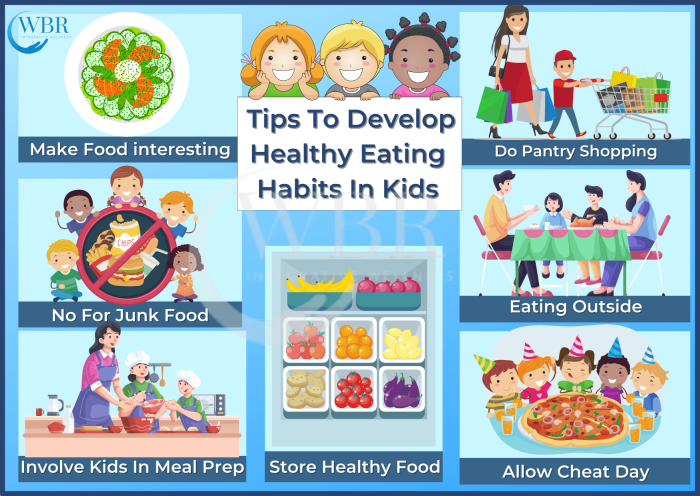
The healthy habits children develop early in life lay the groundwork for a lifetime of well-being. By instilling these habits, we equip them with the tools to thrive physically, mentally, and emotionally, paving the way for a healthier and happier future.
The Long-Term Benefits of Healthy Choices
Healthy habits established in childhood have profound and lasting impacts on individuals’ well-being.
- Physical Health:Children who engage in regular physical activity and consume nutritious foods are less likely to develop chronic diseases such as obesity, heart disease, and type 2 diabetes later in life. These habits also contribute to strong bones, healthy weight, and improved cardiovascular health.
- Mental and Emotional Well-being:Regular physical activity and healthy eating habits are linked to improved mood, reduced stress levels, and enhanced cognitive function. Adequate sleep and stress management techniques further contribute to emotional stability and resilience.
- Academic Success:Children who prioritize their health tend to perform better academically. Good nutrition fuels their brains, while regular exercise improves focus, memory, and overall cognitive function. Adequate sleep is also essential for optimal learning and memory consolidation.
The Importance of Prioritizing Children’s Health
Parents, educators, and communities play a crucial role in shaping children’s health and well-being.
- Parents:Parents can model healthy behaviors, provide nutritious meals, encourage physical activity, and create a supportive environment for their children’s emotional well-being.
- Educators:Educators can incorporate healthy habits into the school curriculum, provide opportunities for physical activity, and foster a culture of health and well-being within the school environment.
- Communities:Communities can create safe and accessible spaces for physical activity, promote healthy food options, and offer resources that support healthy lifestyles.
Inspiring Stories of Healthy Living
Countless individuals have transformed their lives by embracing healthy habits.
- Example 1:A former overweight teenager who adopted a healthy diet and exercise routine shed excess weight, improved his overall health, and achieved his goal of becoming a professional athlete.
- Example 2:A student who struggled with anxiety and depression found solace in mindfulness practices and regular exercise, leading to a significant improvement in their mental health and academic performance.
Conclusion
Raising children who prioritize their health is an investment in their future. By cultivating healthy habits from a young age, we empower them to make informed choices, navigate challenges with resilience, and build a strong foundation for a fulfilling life.
Let’s work together to nurture the next generation and create a world where children thrive.
FAQ Insights
What are some simple ways to encourage healthy eating habits in children?
Involve children in meal planning and preparation, offer a variety of healthy foods, make mealtimes enjoyable and social, and avoid using food as a reward or punishment.
How much sleep do children need?
The amount of sleep a child needs varies depending on their age. For example, newborns need 14-17 hours, toddlers need 11-14 hours, preschoolers need 10-13 hours, and school-aged children need 9-11 hours.
What are some signs of stress in children?
Common signs of stress in children include changes in appetite, sleep disturbances, irritability, withdrawal, difficulty concentrating, and physical symptoms like headaches or stomachaches.


More Stories