How to use cognitive behavioral techniques to boost mental resilience is a powerful approach to navigating life’s challenges. Cognitive Behavioral Therapy (CBT) offers a structured framework for understanding and managing negative thoughts and behaviors, ultimately enhancing your ability to cope with stress and adversity.
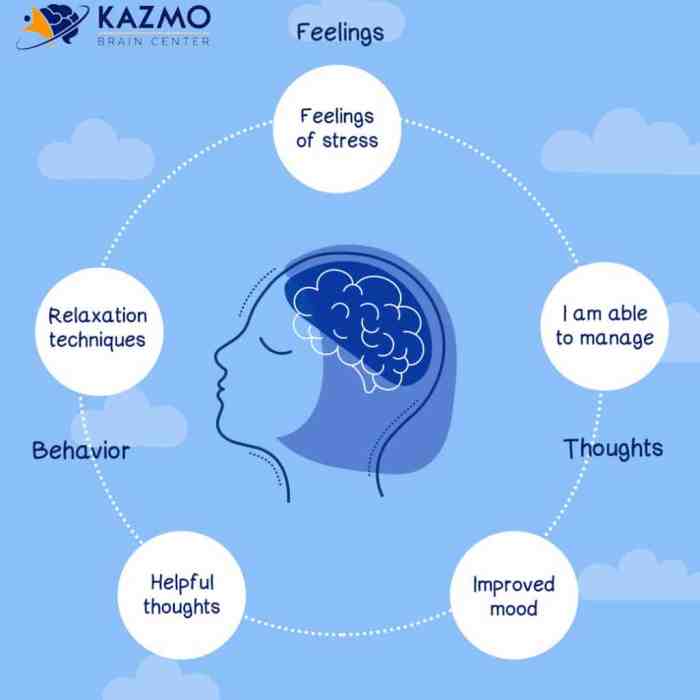
This approach emphasizes the interconnectedness of thoughts, feelings, and behaviors, empowering individuals to take control of their emotional well-being.
By learning and implementing CBT techniques, you can develop a deeper understanding of your own thought patterns and their impact on your emotional state. This self-awareness allows you to identify and challenge negative thought distortions, replacing them with more balanced and realistic perspectives.
Furthermore, CBT provides practical tools for building positive coping mechanisms, regulating emotions, and strengthening your social support network. Ultimately, embracing these techniques can lead to increased resilience, allowing you to navigate life’s ups and downs with greater strength and well-being.
Understanding Cognitive Behavioral Techniques
Cognitive Behavioral Therapy (CBT) is a powerful therapeutic approach that helps individuals understand and change their thought patterns and behaviors to improve their mental well-being. This approach is particularly relevant to mental resilience, as it equips individuals with the tools to navigate challenges and build inner strength.
The Core Principles of CBT
CBT operates on the principle that our thoughts, feelings, and behaviors are interconnected. It emphasizes the role of our thoughts in shaping our emotions and actions. Negative or distorted thoughts can lead to negative feelings and behaviors, while positive and realistic thoughts can promote well-being and resilience.
The Cognitive and Behavioral Components of CBT
CBT comprises two main components: cognitive and behavioral.
Cognitive Techniques
Cognitive techniques focus on identifying and challenging negative or unhelpful thought patterns. These techniques include:
- Thought Records:This involves keeping a journal to track negative thoughts, the emotions they trigger, and the evidence supporting or contradicting these thoughts. By analyzing these records, individuals can identify recurring thought patterns and challenge their validity.
- Cognitive Restructuring:This technique involves examining and reframing negative thoughts by replacing them with more balanced and realistic perspectives. For instance, instead of thinking “I’m a failure,” one could reframe it as “I made a mistake, but I can learn from it and try again.”
- Decatastrophizing:This technique helps individuals to challenge the tendency to anticipate the worst-case scenario. It encourages considering alternative outcomes and recognizing that even if the worst happens, they can cope with it.
Behavioral Techniques
Behavioral techniques aim to change maladaptive behaviors and develop new coping skills. Some common techniques include:
- Exposure Therapy:This technique involves gradually exposing individuals to situations that trigger anxiety or fear in a safe and controlled environment. Through repeated exposure, individuals can learn to manage their anxiety and reduce their fear response.
- Relaxation Techniques:Techniques like deep breathing, progressive muscle relaxation, and mindfulness meditation can help individuals manage stress and anxiety by calming their nervous system.
- Behavioral Activation:This technique encourages individuals to engage in activities that bring them pleasure and a sense of accomplishment. This helps to increase motivation, reduce feelings of helplessness, and improve overall well-being.
How CBT Techniques Work to Challenge Negative Thoughts and Behaviors
CBT techniques work by challenging the automatic negative thoughts and behaviors that contribute to mental distress. By becoming aware of these patterns, individuals can learn to identify and question their validity. Through cognitive restructuring, they can replace negative thoughts with more realistic and positive ones.
Behavioral techniques, such as exposure therapy and relaxation techniques, help individuals develop new coping skills and manage their reactions to stressful situations.
Identifying and Challenging Negative Thoughts
Negative thoughts can significantly impact our mental well-being and resilience. Recognizing and challenging these thoughts is crucial for developing a more positive and balanced perspective. This section explores how to identify and challenge negative thoughts using cognitive behavioral techniques.
Cognitive Distortions
Cognitive distortions are patterns of thinking that lead to negative interpretations of events and situations. These distorted thought patterns can amplify negative emotions and contribute to mental distress. Here are some common cognitive distortions:
- All-or-Nothing Thinking:Viewing situations in extreme terms, such as “I failed the test, so I’m a complete failure.”
- Overgeneralization:Drawing broad conclusions based on a single event, such as “I had a bad day at work, so everything is going wrong.”
- Mental Filter:Focusing only on the negative aspects of a situation, ignoring the positive ones, such as “I got a promotion, but it’s not the promotion I wanted.”
- Disqualifying the Positive:Dismissing positive experiences as insignificant, such as “I did well on the presentation, but it was just luck.”
- Jumping to Conclusions:Assuming the worst without sufficient evidence, such as “My boss didn’t say hello this morning, so he must be angry with me.”
- Magnification and Minimization:Exaggerating the importance of negative events while downplaying positive ones, such as “I made a small mistake, so I’m a terrible employee.”
- Emotional Reasoning:Believing that feelings reflect reality, such as “I feel anxious, so something bad must be going to happen.”
- Should Statements:Setting rigid rules for oneself and others, such as “I should be perfect at everything.”
- Labeling:Attaching negative labels to oneself or others, such as “I’m a loser.”
- Personalization:Blaming oneself for events that are outside of one’s control, such as “It’s my fault the team lost the game.”
Identifying Negative Thoughts
The first step in challenging negative thoughts is to become aware of them. Here’s a step-by-step guide for identifying negative thoughts:
- Pay Attention to Your Feelings:When you experience negative emotions like anxiety, sadness, or anger, notice what thoughts are going through your mind.
- Write Down Your Thoughts:Keep a journal or use a note-taking app to record your negative thoughts. This will help you identify patterns and recurring themes.
- Challenge the Evidence:Once you’ve identified a negative thought, ask yourself if there is any evidence to support it. Look for alternative explanations or perspectives.
- Consider the Worst-Case Scenario:If you’re dwelling on a negative thought, imagine the worst possible outcome. Often, the worst-case scenario is not as bad as you fear.
- Focus on the Positive:After identifying a negative thought, try to shift your focus to positive aspects of the situation.
Challenging Negative Thoughts, How to use cognitive behavioral techniques to boost mental resilience
Once you’ve identified a negative thought, you can challenge it using various techniques.
Cognitive Reframing
Cognitive reframing involves changing the way you think about a situation to create a more positive perspective. Here are some strategies for cognitive reframing:
- Look for the Silver Lining:Even in challenging situations, there are often positive aspects. Try to identify these positive aspects and focus on them.
- Reframe Negative Thoughts:Instead of thinking “I’m a failure,” try reframing it as “I made a mistake, but I can learn from it.”
- Challenge Your Assumptions:Question the underlying assumptions behind your negative thoughts. Are they based on facts or just your beliefs?
- Consider Different Perspectives:Try to see the situation from another person’s perspective. This can help you gain a more balanced understanding.
Thought-Stopping
Thought-stopping is a technique that helps to interrupt negative thought patterns. Here’s how it works:
When a negative thought arises, say “Stop!” out loud or in your head. Then, immediately replace the negative thought with a positive or neutral one.
Example:
Imagine you’re feeling anxious about an upcoming presentation. You might think, “I’m going to mess this up, and everyone will think I’m incompetent.” To challenge this thought, you could:
- Identify the Distortion:This is an example of overgeneralization and jumping to conclusions.
- Reframe the Thought:Instead of focusing on the worst-case scenario, you could reframe it as “I’ve prepared well, and I’m going to do my best.”
- Use Thought-Stopping:When the negative thought arises, say “Stop!” and replace it with a positive affirmation, such as “I am capable and prepared.”
Developing Positive Coping Mechanisms
Cognitive behavioral techniques are not only about changing your thoughts but also about building a toolbox of positive coping mechanisms to manage stress and enhance resilience. These strategies can help you navigate challenges, maintain emotional balance, and ultimately, lead a more fulfilling life.
Relaxation Techniques for Stress Management
Relaxation techniques play a crucial role in managing stress and promoting resilience. When you’re stressed, your body goes into “fight or flight” mode, releasing hormones like cortisol that can have negative effects on your physical and mental health. Relaxation techniques help calm your nervous system, reduce cortisol levels, and restore balance.
- Deep Breathing:Deep, slow breaths can help regulate your heart rate and blood pressure, promoting relaxation. Inhale deeply through your nose, hold for a few seconds, and exhale slowly through your mouth. Repeat this several times, focusing on your breath and letting go of any tension.
- Mindfulness Meditation:Mindfulness meditation involves focusing your attention on the present moment, observing your thoughts and feelings without judgment. This practice helps you become more aware of your internal state and develop a sense of calm and detachment from stressful thoughts.
- Progressive Muscle Relaxation:This technique involves tensing and relaxing different muscle groups in your body. By systematically tensing and releasing tension, you can become more aware of physical sensations and learn to relax your entire body.
The Importance of Physical Activity
Physical activity is a powerful tool for boosting mental resilience. Exercise releases endorphins, which have mood-boosting effects and can reduce feelings of anxiety and depression. Regular physical activity can also improve sleep quality, increase energy levels, and enhance self-esteem, all of which contribute to a more resilient mindset.
“Exercise is like a drug for the brain. It releases endorphins, which have mood-boosting effects and can reduce feelings of anxiety and depression.”Dr. John Ratey, Harvard Medical School
Building Emotional Regulation Skills
Emotional regulation is the ability to manage and control your emotions in a healthy and constructive way. It involves understanding your emotions, identifying triggers, and developing strategies to respond effectively. Strong emotional regulation skills are essential for mental resilience as they help you navigate challenging situations and maintain well-being.
Strategies for Emotional Regulation
Several strategies can be employed to regulate emotions effectively. These strategies are not mutually exclusive and can be combined depending on the situation and individual needs.
- Deep Breathing:This simple yet powerful technique involves taking slow, deep breaths to calm the nervous system. By focusing on your breath, you shift your attention away from distressing thoughts and feelings, allowing your body to relax.
- Mindfulness:Mindfulness involves paying attention to the present moment without judgment. By focusing on your senses, thoughts, and feelings without getting carried away by them, you can gain a sense of detachment and reduce emotional reactivity.
- Cognitive Reframing:This involves challenging and changing negative thought patterns. By identifying and reframing unhelpful thoughts, you can shift your perspective and reduce the intensity of negative emotions. For example, if you feel anxious about a presentation, you can reframe the thought “I’m going to fail” to “I’ve prepared well, and I’m going to do my best.”
- Progressive Muscle Relaxation:This technique involves tensing and relaxing different muscle groups in your body, helping to reduce physical tension associated with stress and anxiety. By focusing on the physical sensations of tension and relaxation, you can promote a sense of calm and well-being.
- Physical Activity:Exercise releases endorphins, which have mood-boosting effects. Engaging in regular physical activity can help regulate emotions, reduce stress, and improve overall well-being.
- Social Support:Connecting with loved ones and seeking support from friends, family, or a therapist can provide emotional validation and help you cope with difficult emotions. Sharing your feelings with others can reduce feelings of isolation and promote emotional regulation.
Self-Awareness and Emotional Intelligence
Self-awareness is crucial for emotional regulation. It involves understanding your own emotions, triggers, and patterns of behavior. By becoming more aware of your emotional responses, you can identify situations that are likely to evoke strong emotions and develop strategies to manage them.
Emotional intelligence refers to the ability to understand and manage your own emotions and those of others. It involves skills like empathy, self-regulation, and social awareness. Individuals with high emotional intelligence are better equipped to navigate interpersonal relationships, build strong connections, and regulate their emotions effectively.
Managing Specific Emotions
Here’s a table outlining effective techniques for managing specific emotions:
| Emotion | Techniques |
|---|---|
| Anger |
|
| Anxiety |
|
| Sadness |
|
Strengthening Social Support Networks
Social connections play a vital role in our overall well-being, especially when it comes to building mental resilience. Having a strong social support network can act as a buffer against stress, provide emotional support during difficult times, and contribute to a sense of belonging and purpose.
Strategies for Building and Maintaining Strong Social Support Networks
Cultivating and nurturing meaningful relationships is essential for bolstering mental resilience. Here are some practical strategies for building and maintaining strong social support networks:
- Reach out to existing connections:Rekindle relationships with old friends, family members, or colleagues you haven’t spoken to in a while. Make an effort to connect with them regularly, even if it’s just a quick phone call or text message.
- Join groups or activities:Engage in activities that align with your interests, such as joining a book club, sports team, or volunteer organization. These shared experiences can foster new friendships and connections.
- Be a good listener:Active listening is crucial for building strong relationships. Show genuine interest in others, validate their feelings, and offer support when needed.
- Offer support:Just as you need support from others, be willing to offer support to those in your network. Helping others can strengthen your bonds and create a sense of mutual understanding and care.
- Maintain boundaries:While social connections are important, it’s also essential to maintain healthy boundaries. Be clear about your needs and limits, and don’t hesitate to say no if something feels overwhelming or uncomfortable.
Benefits of Seeking Professional Help
While building a strong social support network is crucial, it’s also important to recognize that professional help can provide valuable support and guidance. Therapists and counselors offer a safe and confidential space to explore your thoughts and feelings, develop coping mechanisms, and gain insights into your mental health.
- Personalized guidance:Therapists can provide tailored support based on your individual needs and circumstances. They can help you identify triggers, develop strategies for managing stress, and build healthy coping mechanisms.
- Objective perspective:It can be challenging to see our own patterns and behaviors objectively. Therapists can offer a fresh perspective and help you gain insights into your thoughts and feelings.
- Support during difficult times:Therapists can provide emotional support during times of crisis or significant life changes. They can help you navigate challenges and develop resilience in the face of adversity.
Promoting Healthy Lifestyle Habits: How To Use Cognitive Behavioral Techniques To Boost Mental Resilience
A robust and resilient mind is often underpinned by a healthy body. Engaging in healthy lifestyle practices can significantly enhance your ability to cope with stress, navigate challenges, and maintain a positive outlook. This section will explore the connection between healthy habits and mental resilience, providing practical tips for incorporating them into your daily life.
The Link Between Healthy Lifestyle Habits and Mental Resilience
A strong connection exists between healthy lifestyle habits and mental resilience. When you prioritize your physical well-being, you’re simultaneously nurturing your mental strength. For example, regular exercise releases endorphins, which have mood-boosting effects, while a balanced diet provides the essential nutrients your brain needs to function optimally.
Adequate sleep allows your brain to recharge and consolidate memories, improving your ability to focus and handle stress. Stress management techniques, such as meditation or deep breathing exercises, can calm your nervous system and promote a sense of inner peace.
By cultivating healthy habits, you create a foundation for greater resilience and overall well-being.
Incorporating Healthy Eating into Daily Routines
A balanced diet plays a crucial role in supporting mental health. Here are some practical tips for incorporating healthy eating habits into your daily routine:
- Prioritize whole foods: Focus on consuming whole, unprocessed foods like fruits, vegetables, lean proteins, and whole grains. These foods provide essential nutrients and fiber, which are vital for brain health and energy levels.
- Limit processed foods and sugary drinks: Processed foods are often high in sugar, unhealthy fats, and sodium, which can contribute to inflammation, mood swings, and fatigue. Opt for healthier alternatives and reduce your intake of sugary drinks like soda and fruit juices.
- Stay hydrated: Dehydration can lead to fatigue, headaches, and difficulty concentrating. Aim to drink plenty of water throughout the day, especially during exercise or when you’re feeling stressed.
- Practice mindful eating: Pay attention to your hunger and fullness cues, and eat slowly and deliberately. Mindful eating helps you appreciate your food and prevents overeating.
Regular Exercise and Mental Well-being
Regular physical activity is a powerful tool for boosting mental resilience. Here’s how exercise can positively impact your mental health:
- Reduces stress and anxiety: Exercise releases endorphins, which have mood-boosting effects. It can also help to reduce the production of stress hormones like cortisol.
- Improves sleep quality: Regular exercise can promote better sleep patterns, leading to improved mood and cognitive function.
- Boosts self-esteem and confidence: Achieving fitness goals can enhance your sense of accomplishment and self-worth.
- Provides a sense of purpose and routine: Exercise can provide structure and routine to your day, which can be especially helpful during times of stress.
The Importance of Adequate Sleep
Sleep is essential for both physical and mental health. When you’re well-rested, you’re better equipped to handle stress, make sound decisions, and maintain a positive outlook. Here are some tips for improving your sleep quality:
- Establish a regular sleep schedule: Go to bed and wake up at roughly the same time each day, even on weekends, to regulate your body’s natural sleep-wake cycle.
- Create a relaxing bedtime routine: Engage in calming activities like taking a warm bath, reading a book, or listening to soothing music before bed.
- Optimize your sleep environment: Ensure your bedroom is dark, quiet, and cool, and avoid using electronic devices in the hour before bed.
- Limit caffeine and alcohol intake: Both caffeine and alcohol can interfere with sleep quality.
Stress Management Techniques for Enhanced Resilience
Stress management techniques can play a significant role in building mental resilience. By learning to effectively manage stress, you can reduce its negative impact on your mental and physical health. Here are some effective stress management strategies:
- Mindfulness meditation: Mindfulness meditation involves focusing on the present moment without judgment. It can help to calm your mind, reduce anxiety, and improve emotional regulation.
- Deep breathing exercises: Deep breathing exercises can help to slow your heart rate, lower blood pressure, and reduce feelings of stress. Try techniques like diaphragmatic breathing or box breathing.
- Progressive muscle relaxation: This technique involves tensing and releasing different muscle groups in your body, which can help to reduce physical tension and promote relaxation.
- Yoga and tai chi: These practices combine physical movement with mindfulness and breathing techniques, offering a holistic approach to stress management.
Cultivating Mindfulness and Gratitude
Mindfulness and gratitude are powerful tools that can significantly contribute to your mental resilience. By incorporating these practices into your daily life, you can develop a greater awareness of your thoughts, emotions, and sensations, fostering a sense of calm and well-being.
Mindfulness: Cultivating Present Moment Awareness
Mindfulness involves paying attention to the present moment without judgment. It’s about observing your thoughts, feelings, and sensations as they arise without getting caught up in them. This practice helps to reduce stress, anxiety, and negative emotions, allowing you to respond to challenges with greater clarity and composure.Here are some practical techniques for practicing mindfulness:
- Mindful Breathing:Find a quiet space and focus on your breath. Notice the sensation of air entering and leaving your nostrils. If your mind wanders, gently bring it back to your breath.
- Body Scan Meditation:Sit or lie down in a comfortable position. Slowly scan your body, starting from your toes and moving upwards, noticing any sensations you experience.
- Mindful Walking:As you walk, pay attention to the sensations of your feet on the ground, the movement of your body, and the sights and sounds around you.
- Mindful Eating:Before each meal, take a moment to appreciate the food you’re about to eat. Notice its colors, textures, and aromas. While eating, savor each bite and pay attention to the flavors and sensations in your mouth.
Gratitude: Appreciating the Good
Gratitude involves focusing on the positive aspects of your life and expressing appreciation for them. It’s about recognizing the good things you have, even in challenging times. Cultivating gratitude can shift your perspective, increase happiness, and enhance your overall well-being.Here are some ways to cultivate a sense of gratitude:
- Gratitude Journal:Keep a journal where you write down things you’re grateful for each day. It can be anything from a good meal to a kind gesture from a friend.
- Gratitude Meditations:There are guided meditations specifically designed to cultivate gratitude. You can find these online or through apps.
- Expressing Gratitude:Make a conscious effort to express your gratitude to others. Thank people for their kindness, support, and contributions.
- Gratitude Challenges:Participate in gratitude challenges, such as spending a week focusing on gratitude or writing down three things you’re grateful for each day.
Maintaining a Positive Mindset
A positive mindset is a crucial element of mental resilience, empowering you to navigate challenges, bounce back from setbacks, and achieve your goals. It’s not about ignoring negative emotions or pretending everything is perfect. Instead, it’s about cultivating a hopeful and optimistic outlook that fuels your ability to persevere and thrive.
The Importance of Positive Self-Talk
Positive self-talk is the inner dialogue you have with yourself, and it significantly impacts your mental well-being. When you engage in positive self-talk, you replace negative thoughts with encouraging and supportive statements. This practice helps you to:
- Boost self-esteem:By affirming your strengths and capabilities, you build confidence and a stronger sense of self-worth.
- Reduce stress and anxiety:Negative thoughts often lead to feelings of overwhelm and anxiety. Positive self-talk can help you to calm your mind and manage stress more effectively.
- Increase motivation and focus:When you believe in yourself, you’re more likely to set ambitious goals and work towards achieving them. Positive self-talk fuels your motivation and helps you stay focused on your objectives.
- Improve resilience:In the face of challenges, positive self-talk helps you to maintain a hopeful perspective and avoid giving up easily. It reminds you of your past successes and encourages you to keep moving forward.
Developing a Positive Outlook
Developing a positive outlook involves actively challenging negative thoughts and replacing them with more constructive and realistic perspectives. Here are some techniques to cultivate a more optimistic mindset:
- Identify negative thought patterns:Pay attention to the recurring negative thoughts that you have. Notice the situations that trigger these thoughts and the emotions they evoke.
- Challenge the validity of negative thoughts:Ask yourself if your negative thoughts are truly accurate or if they are based on distorted thinking. Look for evidence to support or refute your negative beliefs.
- Reframe negative thoughts:Instead of dwelling on the negative, try to find a more positive interpretation of the situation. Focus on the lessons you can learn and the opportunities for growth.
- Practice gratitude:Taking time to appreciate the good things in your life can shift your focus from negativity to positivity. Regularly reflect on things you are grateful for, both big and small.
- Surround yourself with positive influences:Spend time with people who uplift you and encourage your growth. Limit your exposure to negativity and toxic relationships.
Challenging Negative Self-Beliefs
Negative self-beliefs can significantly hinder your progress and impact your mental resilience. It’s essential to identify and challenge these beliefs to create a more positive and empowering internal dialogue. Here are some strategies to help you:
- Recognize your negative self-beliefs:Be aware of the limiting beliefs you hold about yourself. Pay attention to the recurring thoughts that tell you you’re not good enough, capable, or worthy.
- Gather evidence to challenge your beliefs:Look for evidence that contradicts your negative self-beliefs. Remember your past successes, your strengths, and the support you have from others.
- Reframe your self-talk:Replace negative self-talk with positive affirmations that reinforce your strengths and capabilities. Instead of “I’m not good at this,” say “I’m learning and improving.”
- Focus on your strengths:Acknowledge and celebrate your talents and accomplishments. Remind yourself of the areas where you excel and the value you bring to the world.
- Seek professional help:If you struggle to challenge negative self-beliefs on your own, consider seeking guidance from a therapist or counselor. They can provide tools and techniques to help you develop a more positive self-image.
Setting Realistic Goals and Celebrating Achievements
Setting realistic goals and celebrating your achievements are crucial for maintaining a positive mindset and building resilience. When you achieve your goals, you experience a sense of accomplishment that fuels your motivation and encourages you to keep striving for more.
- Break down large goals into smaller steps:Large goals can feel overwhelming. Break them down into smaller, more manageable steps that you can work towards gradually. This creates a sense of progress and keeps you motivated.
- Set specific, measurable, achievable, relevant, and time-bound (SMART) goals:SMART goals are more likely to be successful because they provide clear direction and a framework for tracking your progress.
- Celebrate your achievements, no matter how small:Acknowledge your progress and celebrate your victories, big or small. This reinforces your positive self-beliefs and encourages you to continue working towards your goals.
- Learn from your setbacks:Setbacks are inevitable, but they are opportunities for growth and learning. Analyze your mistakes, identify areas for improvement, and adjust your approach for future success.
Final Wrap-Up
In conclusion, understanding and applying cognitive behavioral techniques can be a transformative journey toward building mental resilience. By actively challenging negative thoughts, developing healthy coping strategies, and cultivating a positive mindset, you can unlock your inherent ability to overcome adversity and thrive.
Remember, the journey to resilience is ongoing, and by incorporating these techniques into your daily life, you can foster a sense of well-being and navigate life’s challenges with greater strength and confidence.
Key Questions Answered
Can I use CBT techniques without professional guidance?
While self-guided CBT can be helpful, seeking professional support from a therapist or counselor is often recommended for personalized guidance and deeper insights.
How long does it take to see results from CBT?
The time it takes to see results varies depending on individual circumstances and the specific techniques used. However, many people experience positive changes within a few weeks or months.
Are there any potential downsides to using CBT?
CBT is generally safe and effective, but some individuals may find the process challenging or emotionally demanding. It’s important to consult with a mental health professional if you experience any difficulties.


More Stories