Importance of regular eye health screenings
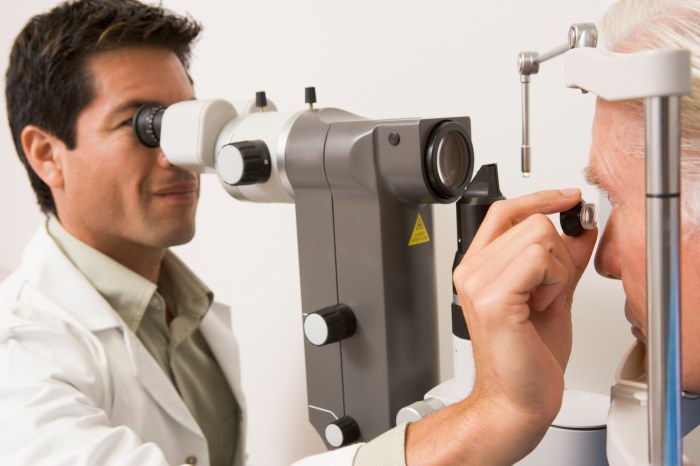
Regular eye health screenings are essential for maintaining good vision as they help in early detection of potential eye problems. By identifying issues early on, individuals can receive timely treatment and prevent further complications that could lead to vision loss.
Common eye conditions detected through screenings
- Glaucoma: A condition where increased pressure in the eye can damage the optic nerve, leading to vision loss if left untreated.
- Macular degeneration: A progressive disease affecting the central part of the retina, causing loss of central vision.
- Diabetic retinopathy: Damage to blood vessels in the retina due to diabetes, which can result in vision impairment.
Regular screenings can help detect these and other eye conditions early, allowing for prompt treatment to preserve vision and prevent further deterioration.
Benefits of early detection and treatment
Regular eye health screenings offer the following benefits:
- Prevent vision loss: Early detection and treatment of eye conditions can help prevent irreversible vision loss.
- Manage eye diseases: Monitoring eye health through screenings enables better management of chronic eye diseases.
- Preserve overall health: Eye screenings can also uncover underlying health issues such as diabetes or hypertension, contributing to overall well-being.
Stress Management
Stress can have a significant impact on eye health. When we are stressed, our bodies release hormones that can lead to physical symptoms such as eye strain, headaches, and blurred vision. Prolonged stress can also weaken the immune system, making us more susceptible to eye infections and other eye-related issues.
Strategies for Managing Stress, Importance of regular eye health screenings
- Avoiding stressful situations whenever possible and practicing relaxation techniques such as deep breathing exercises or meditation can help reduce stress levels.
- Engaging in regular physical activity, getting enough sleep, and maintaining a healthy diet are essential for overall well-being and can also help manage stress.
- Setting boundaries, prioritizing tasks, and seeking support from friends, family, or a professional counselor can also be beneficial in managing stress effectively.
Connection between Stress, Eye Strain, and Vision Problems
Stress can lead to eye strain, which manifests as symptoms like dry eyes, eye discomfort, and difficulty focusing. This can contribute to vision problems such as blurry vision or sensitivity to light. It is crucial to address stress and manage it properly to maintain good eye health and prevent long-term vision issues.
Healthy Lifestyle
Importance of regular eye health screenings – A healthy lifestyle plays a crucial role in maintaining optimal eye health. By adopting healthy habits, you can significantly reduce the risk of developing eye conditions and promote overall wellness.
Incorporating Eye-Friendly Foods
Eating a balanced diet rich in eye-friendly nutrients is essential for supporting good vision. Some tips for incorporating eye-friendly foods into your meals include:
- Include leafy green vegetables like spinach and kale, which are high in lutein and zeaxanthin, essential for eye health.
- Consume foods rich in omega-3 fatty acids such as salmon, walnuts, and flaxseeds to maintain the health of the retina.
- Incorporate colorful fruits and vegetables like carrots, sweet potatoes, and bell peppers, which are packed with vitamins A and C, crucial for eye health.
- Snack on nuts and seeds like almonds and chia seeds, which provide antioxidants that protect the eyes from oxidative stress.
Importance of Regular Exercise
Regular exercise not only benefits your overall health but also plays a key role in maintaining optimal eye health. Here’s why staying active is essential:
- Exercise improves blood circulation, including to the eyes, which helps deliver essential nutrients and oxygen for eye health.
- Physical activity can help lower the risk of age-related macular degeneration, cataracts, and other eye conditions.
- Regular exercise can also help reduce the risk of diseases like diabetes and hypertension, which are linked to vision problems.
Medical Innovations
In recent years, technological advancements have revolutionized the field of eye health screenings, making them more efficient and accessible than ever before. One of the key innovations that has significantly impacted eye screenings is the integration of telemedicine.
Telemedicine in Eye Screenings
Telemedicine has played a crucial role in increasing access to eye screenings, especially in remote or underserved areas where traditional healthcare services may be limited. Through telemedicine platforms, individuals can now undergo eye screenings remotely, reducing the need for in-person visits to a healthcare facility. This has not only improved convenience for patients but has also helped in early detection and timely intervention for various eye conditions.
Impact of AI and Machine Learning
The use of artificial intelligence (AI) and machine learning algorithms has also transformed the landscape of eye health screenings. These technologies have enabled healthcare providers to analyze complex data sets more efficiently and accurately, leading to improved detection of early signs of eye diseases. AI-powered screening tools can identify subtle changes in the eye that may indicate the presence of conditions like glaucoma, diabetic retinopathy, or age-related macular degeneration. By leveraging these advanced technologies, healthcare professionals can provide timely interventions, ultimately improving patient outcomes and quality of life.
Nutritional Supplements
Maintaining good eye health is crucial for overall well-being, and nutritional supplements can play a key role in supporting eye function and preventing age-related eye conditions. Certain nutrients are essential for optimal eye health, and incorporating the right vitamins and minerals into your diet can make a significant difference.
Key Nutrients for Eye Health
Several key nutrients are essential for maintaining good eye health, including:
- Vitamin A: Essential for maintaining good vision, particularly in low light conditions.
- Vitamin C: Helps protect the eyes from damage caused by free radicals.
- Vitamin E: Has antioxidant properties that can help reduce the risk of age-related eye conditions.
- Lutein and Zeaxanthin: Carotenoids that are important for protecting the eyes from harmful blue light.
- Zinc: Helps transport vitamin A from the liver to the retina to produce melanin, a protective pigment in the eyes.
Role of Supplements in Supporting Eye Function
Nutritional supplements can provide a convenient and effective way to ensure you are getting an adequate amount of these key nutrients for maintaining good eye health. While a balanced diet is important, supplements can be beneficial for individuals who may have difficulty getting enough of these nutrients from food alone.
Fitness Routine
Regular physical activity plays a crucial role in maintaining overall health, including eye health. Exercise helps improve blood circulation, which in turn delivers more oxygen and nutrients to the eyes, reducing the risk of eye diseases.
Eye Exercises for Eye Health
- Palming: Rub your hands together to create heat, then gently place your palms over your closed eyes without applying pressure. This helps relax the eye muscles and reduce strain.
- Eye Rolling: Look up and slowly circle your eyes in a clockwise direction, then repeat counterclockwise. This exercise helps improve eye muscle flexibility.
- Focus Shifting: Hold your thumb at arm’s length and focus on it. Then, shift your focus to an object further away. Repeat this process to help improve focus and reduce eye strain.
Importance of Breaks during Screen Time
Taking breaks during prolonged screen time is essential to prevent eye fatigue. The 20-20-20 rule is recommended, where every 20 minutes, look at something 20 feet away for at least 20 seconds. This practice helps reduce eye strain and prevent digital eye fatigue.
Health Screenings
Regular health screenings play a crucial role in maintaining overall wellness and detecting potential issues before they escalate. These screenings can provide valuable insights into our health and help in preventing serious conditions.
Correlation between General Health Screenings and Eye Health
General health screenings, such as blood pressure checks and cholesterol tests, can have a direct impact on eye health. Conditions like diabetes and high blood pressure can significantly affect our eyesight, making it essential to monitor these factors regularly to prevent vision problems.
Frequency of Comprehensive Eye Exams
It is recommended to schedule comprehensive eye exams at least once a year, even if you do not have any existing vision problems. These exams can help in early detection of eye diseases like glaucoma and macular degeneration, ensuring timely treatment and preserving your eyesight for the long term.
Disease Prevention
Regular eye health screenings play a crucial role in disease prevention by allowing early detection of various health issues. Eye exams can provide valuable insights into your overall health beyond just vision problems.
Early Detection Benefits
- Eye exams can detect signs of diabetes, high blood pressure, and high cholesterol, which are systemic diseases that often show early symptoms in the eyes.
- Conditions like glaucoma and macular degeneration can be identified during eye screenings, helping in early intervention and prevention of vision loss.
- Certain types of cancer, like ocular melanoma, can also be detected through routine eye exams, leading to timely treatment.
Sleep Hygiene
Quality sleep is essential for maintaining good eye health. During sleep, our eyes rest and recover from the day’s strain, allowing them to function optimally the next day. Poor sleep habits can lead to various eye-related issues, such as dry eyes, eye strain, and even vision problems.
Tips for Improving Sleep Hygiene
- Avoid screens before bedtime: The blue light emitted from screens can disrupt your sleep cycle. Try to limit screen time at least an hour before going to bed.
- Establish a bedtime routine: Create a relaxing bedtime routine to signal to your body that it’s time to wind down and prepare for sleep.
- Keep your bedroom dark and quiet: Create a sleep-conducive environment by keeping your bedroom dark, quiet, and at a comfortable temperature.
- Avoid caffeine and heavy meals before bed: Consuming caffeine and heavy meals close to bedtime can interfere with your sleep quality. Opt for decaffeinated drinks and light snacks instead.
- Stay consistent with your sleep schedule: Try to go to bed and wake up at the same time every day to regulate your body’s internal clock.
Impact of Sleep Deprivation on Eye Function
Sleep deprivation can have a significant impact on eye function and overall vision health. Lack of quality sleep can lead to symptoms like dry eyes, eye fatigue, blurred vision, and increased sensitivity to light. Chronic sleep deprivation may also contribute to more serious eye conditions, such as glaucoma and age-related macular degeneration.
Mental Clarity
Maintaining mental clarity is crucial for overall well-being, including eye health. The relationship between mental clarity and eye health is interconnected, as cognitive health can directly impact visual acuity and eye comfort. When our minds are sharp and focused, our eyes are better equipped to function optimally.
Techniques for Enhancing Mental Clarity
- Practice mindfulness and meditation to reduce mental clutter and improve concentration.
- Engage in regular exercise to boost blood flow to the brain and enhance cognitive function.
- Get an adequate amount of quality sleep to support cognitive processes and promote mental alertness.
- Stay hydrated throughout the day to maintain optimal brain function and clarity.
- Consume a balanced diet rich in brain-boosting nutrients like omega-3 fatty acids, antioxidants, and vitamins.
Hydration Importance
Maintaining proper hydration is crucial for overall health, including the health of your eyes. Dehydration can have a significant impact on eye lubrication and overall eye health. Here are some tips to help you stay adequately hydrated to support optimal vision.
Role of Hydration in Eye Health
Proper hydration is essential for maintaining the balance of fluids in the body, including the eyes. The eyes need an adequate amount of moisture to function properly and maintain optimal vision. When you are dehydrated, the tear film in your eyes can evaporate more quickly, leading to dry, irritated eyes and potentially causing vision problems.
- Drink plenty of water throughout the day to ensure your body stays hydrated.
- Avoid excessive consumption of caffeinated or alcoholic beverages, as they can contribute to dehydration.
- Eat water-rich foods like fruits and vegetables to help increase your overall fluid intake.
- Consider using lubricating eye drops if you experience dryness or irritation in your eyes.
FAQ Insights: Importance Of Regular Eye Health Screenings
Why are regular eye health screenings important?
Regular eye health screenings are crucial for detecting potential issues early, ensuring timely treatment and maintaining good vision.
How often should one undergo eye health screenings?
It is recommended to have comprehensive eye exams at least once a year, or as advised by your eye care professional.
Can eye screenings detect conditions beyond vision problems?
Yes, eye screenings can sometimes detect underlying health issues like diabetes or high blood pressure, emphasizing their importance for overall health.


More Stories
Hydration and its importance for oral health: Maintaining a Healthy Mouth through Proper Hydration
Hydration and its impact on digestive health: Importance, Effects, and Solutions
Disease prevention through balanced microbiome maintenance: Strategies for a healthier you