Stress Management
Stress management is crucial for promoting overall health and well-being. When it comes to skin health, managing stress effectively can play a significant role in reducing the risk of skin cancer. Stress has been linked to various skin conditions and can weaken the immune system, making the body more vulnerable to diseases, including skin cancer.
Impact of Stress on Skin Health
Stress can trigger or exacerbate skin conditions such as acne, eczema, and psoriasis. Additionally, chronic stress can lead to inflammation in the body, which may increase the risk of developing skin cancer. It is essential to address stress through mindfulness and relaxation techniques to protect not only your mental health but also your skin health.
Importance of Mindfulness and Relaxation
- Practicing mindfulness through activities like meditation, deep breathing exercises, or yoga can help reduce stress levels and promote a sense of calm.
- Engaging in relaxation techniques such as progressive muscle relaxation or visualization can alleviate tension and improve overall well-being.
- Regular physical activity, adequate sleep, and a healthy diet can also contribute to stress management and support skin health.
Healthy Lifestyle: Skin Cancer Health Screenings Near Me
Maintaining a healthy lifestyle plays a crucial role in preventing skin cancer and promoting overall well-being. By incorporating certain habits into your daily routine, you can significantly reduce your risk of developing skin cancer.
Examples of a Healthy Lifestyle for Skin Cancer Prevention
- Regular exercise: Engaging in physical activities not only helps to keep your body fit but also supports healthy skin by promoting good circulation and oxygen flow.
- Healthy diet: Consuming a balanced diet rich in fruits, vegetables, and antioxidants can provide essential nutrients that support skin health and repair.
- Adequate hydration: Drinking plenty of water helps to keep your skin hydrated and maintain its elasticity, reducing the risk of damage from sun exposure.
The Role of Diet and Exercise in Healthy Skin
- A diet high in vitamins C and E, as well as beta-carotene, can help protect the skin from UV damage and promote repair.
- Regular exercise promotes healthy blood flow, delivering essential nutrients to the skin and aiding in the removal of toxins.
Sun Protection and Regular Health Screenings
- Using sunscreen with a high SPF, wearing protective clothing, and seeking shade during peak sun hours are essential for preventing skin damage and reducing the risk of skin cancer.
- Regular health screenings, including skin checks by a dermatologist, can help detect any suspicious moles or lesions early, increasing the chances of successful treatment.
Medical Innovations
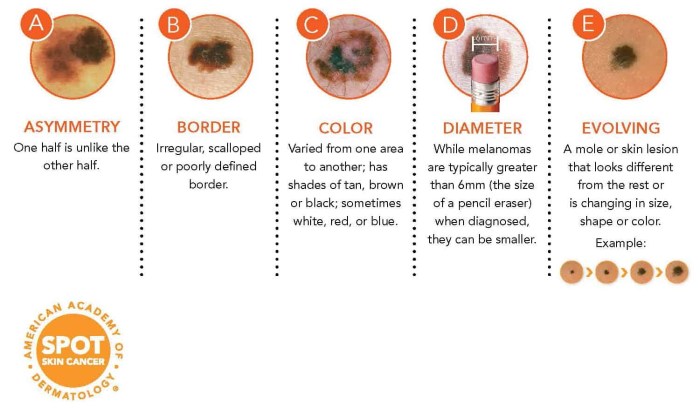
Skin cancer detection methods have seen significant technological advancements in recent years, leading to more accurate and efficient screening processes. One of the most notable innovations is the use of dermoscopy, a non-invasive technique that allows healthcare providers to examine skin lesions in detail. This method helps in early detection of skin cancer by analyzing the structures within the skin.
Technological Advancements in Skin Cancer Detection Methods
- Artificial intelligence (AI) algorithms are being used to analyze images of skin lesions and provide quick and accurate diagnosis.
- Mole mapping technology creates a digital map of the patient’s moles, allowing for easy tracking of changes over time.
- Reflectance confocal microscopy enables real-time imaging of skin at a cellular level, aiding in the diagnosis of skin cancer.
Latest Innovations in Skin Cancer Treatment Options
- Immunotherapy has emerged as a promising treatment for advanced skin cancer, stimulating the body’s immune system to fight cancer cells.
- Targeted therapy involves drugs that target specific genetic mutations in cancer cells, leading to more effective and less toxic treatment.
- Mohs surgery is a precise technique for removing skin cancer layer by layer, minimizing damage to healthy tissue.
Telemedicine Revolutionizing Access to Skin Cancer Screenings
Telemedicine has played a crucial role in expanding access to skin cancer screenings, especially in remote or underserved areas. Patients can now consult with dermatologists virtually, sharing images of skin lesions for evaluation. This has increased the reach of skin cancer screenings, leading to earlier detection and improved outcomes for patients.
Nutritional Supplements
Skin cancer health screenings near me – When it comes to promoting skin health and potentially preventing skin cancer, certain vitamins and minerals play a crucial role. Incorporating nutritional supplements into your diet can provide additional support for your skin health.
Role of Vitamins and Minerals
- Vitamin C: Known for its antioxidant properties, Vitamin C helps protect the skin from damage caused by free radicals.
- Vitamin E: Another powerful antioxidant, Vitamin E can help protect skin cells from UV damage.
- Vitamin D: Essential for overall skin health, Vitamin D plays a role in skin cell growth, repair, and metabolism.
- Zinc: Supports the immune system and promotes wound healing, crucial for maintaining healthy skin.
Popular Nutritional Supplements
- Omega-3 Fatty Acids: Found in fish oil supplements, omega-3 fatty acids can help reduce inflammation and support skin health.
- Green Tea Extract: Rich in antioxidants, green tea extract can help protect the skin from UV damage and reduce the risk of skin cancer.
- Selenium: Acts as an antioxidant and can help protect the skin from environmental damage.
Incorporating Supplements into Your Diet, Skin cancer health screenings near me
It’s important to remember that while supplements can be beneficial, they should not replace a balanced diet. Consider incorporating these supplements into your daily routine alongside a variety of fruits, vegetables, whole grains, and lean proteins for optimal skin health.
Fitness Routine
Regular exercise plays a crucial role in maintaining overall health and well-being, including the health of your skin. Physical activity can improve circulation, promote detoxification through sweat, and reduce stress levels, all of which contribute to healthier skin.
Exercise has also been linked to a reduced risk of skin cancer. Studies suggest that individuals who engage in regular physical activity have a lower likelihood of developing certain types of skin cancer compared to those who lead a sedentary lifestyle. This is believed to be due to the positive effects of exercise on the immune system and oxidative stress, which can help protect against skin cell damage.
To create a fitness routine that supports skin cancer prevention, consider incorporating a mix of cardiovascular activities, strength training, and flexibility exercises. Aim for at least 150 minutes of moderate-intensity aerobic exercise per week, along with two or more days of strength training. Additionally, don’t forget to include activities that you enjoy, as this will increase the likelihood of sticking to your routine in the long term.
Tips for Creating a Skin Cancer Prevention Fitness Routine
- Start with a warm-up: Begin each workout session with a 5-10 minute warm-up to prepare your muscles and reduce the risk of injury.
- Include sun-safe activities: Opt for indoor workouts or outdoor activities during non-peak sun hours to minimize sun exposure and reduce the risk of UV damage.
- Stay hydrated: Drink plenty of water before, during, and after exercise to keep your skin hydrated and support its natural detoxification processes.
- Protect your skin: Wear appropriate clothing, sunscreen, and hats when exercising outdoors to shield your skin from harmful UV rays.
- Listen to your body: Pay attention to any changes in your skin, and consult a healthcare professional if you notice any unusual moles or skin lesions.
Health Screenings
Regular skin cancer health screenings are crucial in detecting any potential issues early on. Early detection through screenings can greatly improve treatment outcomes and increase the chances of successful recovery. It is recommended to schedule regular screenings to ensure any abnormalities are caught and addressed promptly.
Importance of Regular Skin Cancer Screenings
Skin cancer is one of the most common types of cancer, and early detection is key to successful treatment. Regular screenings help in identifying any suspicious moles or skin changes that could indicate skin cancer. By getting screened regularly, individuals can stay proactive about their health and take necessary steps to address any concerns.
Finding Reputable Skin Cancer Screening Services
When looking for skin cancer screening services in your local area, it is important to choose reputable providers with experienced healthcare professionals. You can start by checking with your primary care physician for recommendations or researching online for well-reviewed clinics or hospitals that offer skin cancer screenings. It’s essential to prioritize quality and expertise when selecting a screening service to ensure accurate results and proper follow-up care if needed.
Disease Prevention
Skin cancer and other skin-related diseases can be prevented through various strategies that focus on early detection and lifestyle changes. By taking proactive measures, individuals can significantly reduce their risk of developing these conditions and maintain optimal skin health.
Preventive Measures
- Avoiding excessive sun exposure: Protecting the skin from harmful UV rays by wearing sunscreen, protective clothing, and seeking shade during peak hours can help prevent skin damage and reduce the risk of skin cancer.
- Regular skin checks: Performing self-examinations and scheduling routine skin screenings with a dermatologist can aid in the early detection of any abnormal changes or signs of skin cancer.
- Healthy diet and hydration: Consuming a balanced diet rich in antioxidants, vitamins, and minerals, along with staying hydrated, can support overall skin health and reduce inflammation that may contribute to skin diseases.
- Quitting smoking and limiting alcohol intake: Tobacco use and excessive alcohol consumption can increase the risk of skin cancer and other skin conditions, so adopting a smoke-free lifestyle and moderating alcohol intake can help prevent these risks.
- Stress management and adequate sleep: Managing stress levels and ensuring sufficient rest can promote skin regeneration, boost immunity, and reduce the impact of stress-related skin issues.
Sleep Hygiene
Quality sleep plays a crucial role in maintaining overall health, including skin health. The relationship between sleep and skin health is significant, as our skin goes through a repair and regeneration process while we sleep. Lack of quality sleep can have detrimental effects on our skin, leading to various skin conditions, including an increased risk of skin cancer.
Impact of Sleep Deprivation on Skin Conditions
- Sleep deprivation can lead to increased inflammation in the body, which can exacerbate skin conditions such as acne, eczema, and psoriasis.
- It can also impair the skin’s ability to recover from environmental stressors like UV radiation, making it more susceptible to damage and potentially increasing the risk of skin cancer.
Tips for Improving Sleep Hygiene
- Establish a consistent sleep schedule by going to bed and waking up at the same time every day, even on weekends.
- Create a relaxing bedtime routine to signal to your body that it’s time to wind down, such as reading a book or taking a warm bath.
- Avoid screens and stimulating activities close to bedtime, as blue light can disrupt your sleep-wake cycle.
- Ensure your sleep environment is conducive to restful sleep by keeping your bedroom cool, dark, and quiet.
- Avoid caffeine and heavy meals close to bedtime, as they can interfere with your ability to fall asleep.
Mental Clarity
Maintaining mental clarity is essential for overall well-being, including skin health. Our mental state can significantly impact our skin health outcomes, including the risk of developing skin cancer. The connection between stress, mental clarity, and skin cancer risk is well-documented. High levels of stress can weaken the immune system, making the body more vulnerable to various health issues, including skin cancer.
Mindfulness Techniques for Mental Clarity and Skin Health
Practicing mindfulness techniques can help promote mental clarity and improve skin health. Here are some techniques that you can incorporate into your daily routine:
- Awareness Meditation: This involves focusing on the present moment and being aware of your thoughts and feelings without judgment.
- Deep Breathing Exercises: Deep breathing can help reduce stress and promote relaxation, which can have a positive impact on your overall well-being.
- Yoga: Engaging in yoga practices can help reduce stress levels, improve mental clarity, and promote relaxation, all of which can benefit your skin health.
- Gratitude Journaling: Taking time to reflect on things you are grateful for can shift your focus from negative to positive thoughts, promoting mental clarity and overall well-being.
Hydration Importance
Proper hydration is essential for maintaining healthy skin and overall well-being. Our skin is the largest organ in our body and requires adequate hydration to function optimally. Dehydration can lead to dry, flaky skin, and even exacerbate skin conditions like eczema and psoriasis.
Role of Hydration in Healthy Skin
- Hydration helps to maintain the skin’s elasticity and suppleness, reducing the appearance of fine lines and wrinkles.
- Water flushes out toxins from the body, which can help prevent breakouts and acne.
- Proper hydration supports the skin’s natural barrier function, protecting it from environmental pollutants and UV damage.
Hydration and Skin Cancer Risk
- Staying hydrated can help the body detoxify and remove harmful substances that may contribute to the development of skin cancer.
- Dehydration can make the skin more susceptible to damage from UV radiation, increasing the risk of skin cancer.
- Drinking an adequate amount of water can help maintain the skin’s natural defenses against harmful UV rays.
Tips for Staying Hydrated
- Carry a reusable water bottle with you throughout the day to remind yourself to drink water regularly.
- Infuse your water with fruits or herbs for added flavor to encourage increased consumption.
- Eat water-rich foods like cucumbers, watermelon, and oranges to supplement your hydration levels.
- Set reminders on your phone or computer to take water breaks and stay hydrated, especially during busy work hours.
General Inquiries
How often should I undergo skin cancer health screenings?
It is recommended to have regular screenings at least once a year, especially if you have a family history of skin cancer or have had excessive sun exposure.
What should I expect during a skin cancer health screening?
During the screening, a healthcare professional will examine your skin for any unusual moles or spots that could indicate skin cancer. They may also ask about your sun exposure history.
Are skin cancer health screenings covered by insurance?
Many insurance plans cover preventive screenings like skin cancer checks. It’s best to check with your insurance provider to understand your coverage.


More Stories
Hydration and its impact on weight loss: Discovering the crucial link
Outdoor activities for promoting a healthy lifestyle: Engage in Nature for Better Well-being
Stress management techniques for nurses: Effective strategies and tips