Hydration Importance
Hydration and its impact on weight loss – Staying hydrated is crucial for maintaining overall health and well-being. Adequate hydration plays a significant role in various bodily functions, including regulating body temperature, aiding digestion, and transporting nutrients and oxygen to cells.
Role in Weight Loss and Metabolism
Hydration is essential for weight loss and metabolism. When the body is dehydrated, it can impact the metabolic rate, making it more difficult to burn calories efficiently. Proper hydration helps to support the body’s metabolic processes, allowing for optimal energy expenditure.
- Hydration and Metabolism: Adequate water intake is necessary for the body to efficiently metabolize stored fat and carbohydrates. Dehydration can slow down metabolism, affecting weight loss efforts.
- Appetite Regulation: Drinking water before meals can help reduce calorie intake by promoting a feeling of fullness. Staying hydrated can prevent overeating and support weight management.
- Exercise Performance: Hydration is vital for optimal exercise performance. Proper fluid intake before, during, and after workouts helps maintain energy levels, endurance, and overall performance, contributing to weight loss goals.
Stress Management
Hydration plays a crucial role in managing stress levels and promoting overall well-being. When the body is properly hydrated, it can better cope with stress and reduce the negative impact it has on mental and physical health.
Hydration and Stress Levels
Stress can lead to dehydration as the body responds to the fight-or-flight response by increasing heart rate and sweating. This can result in fluid loss and the need for increased hydration to maintain balance. Dehydration can exacerbate stress symptoms such as fatigue, headaches, and irritability.
- Drink plenty of water throughout the day to stay hydrated and support the body’s stress response.
- Limit consumption of dehydrating beverages like alcohol and caffeine, as they can worsen stress symptoms.
- Include hydrating foods in your diet, such as fruits and vegetables with high water content.
- Practice mindfulness and relaxation techniques to reduce stress and improve hydration levels.
Healthy Lifestyle
Hydration plays a crucial role in maintaining a healthy lifestyle, especially when it comes to weight loss. Staying properly hydrated not only supports various bodily functions but also aids in the process of shedding excess weight.
Hydration vs. Other Lifestyle Factors
When compared to other lifestyle factors like diet and exercise, hydration is often overlooked but is equally important. While a balanced diet and regular physical activity are key components of a healthy lifestyle, adequate hydration is essential for optimal metabolism, digestion, and overall well-being.
Designing a Hydration Plan
In order to support a healthy lifestyle for weight loss, it is important to design a hydration plan that is tailored to individual needs. This plan should include:
- Setting a daily water intake goal based on body weight and activity level.
- Including hydrating foods such as fruits and vegetables in meals and snacks.
- Carrying a reusable water bottle to ensure easy access to water throughout the day.
- Monitoring urine color to gauge hydration levels – pale yellow is ideal.
- Drinking water before, during, and after exercise to maintain hydration levels.
Medical Innovations
Advancements in medical technology have led to innovative ways of monitoring hydration levels and exploring the relationship between hydration and weight loss.
Smart Wearables for Hydration Tracking
Smart wearables such as fitness trackers and smartwatches now come equipped with sensors that can monitor hydration levels by analyzing sweat composition and other biological markers. These devices provide real-time data on hydration status, allowing individuals to adjust their fluid intake accordingly.
Hydration Testing Devices
Medical breakthroughs in hydration testing devices have revolutionized the way hydration levels are assessed. Devices like bioimpedance spectroscopy machines can accurately measure total body water and provide insights into hydration status. This technology has been particularly useful in medical settings for patients with specific hydration needs.
Nutritional Supplements for Hydration
Researchers have been developing innovative nutritional supplements that can enhance hydration levels and support weight loss goals. These supplements often contain electrolytes, vitamins, and minerals that help maintain proper fluid balance in the body, promoting optimal hydration for overall health and fitness.
Future Trends in Hydration Science
As technology continues to advance, future advancements in hydration science may involve personalized hydration plans based on individual needs and preferences. We can expect to see more sophisticated hydration monitoring tools and targeted interventions to optimize hydration levels for improved weight management and overall well-being.
Nutritional Supplements
Hydration plays a crucial role in maximizing the benefits of nutritional supplements, especially when it comes to weight loss. Proper hydration ensures that the body can effectively absorb and utilize the nutrients from supplements, promoting overall health and wellness.
Hydration-Enhancing Supplements for Weight Loss
- Electrolyte supplements: These supplements help replenish essential minerals lost through sweating during workouts, supporting hydration levels and overall performance.
- Hydrolyzed collagen supplements: Collagen is a key component of connective tissues in the body and can help improve skin elasticity, joint health, and muscle recovery, all of which are essential for weight loss and overall well-being.
- Omega-3 fatty acids: Omega-3s are known for their anti-inflammatory properties and can support cardiovascular health, brain function, and weight management when combined with a balanced diet and hydration.
Importance of Consulting a Healthcare Professional
Before incorporating any nutritional supplements into your weight loss regimen, it is essential to consult a healthcare professional. They can provide personalized recommendations based on your individual health needs and goals, ensuring that the supplements are safe and effective for you. Additionally, healthcare professionals can help monitor your progress and make adjustments as needed to optimize results and minimize potential risks.
Fitness Routine: Hydration And Its Impact On Weight Loss
Hydration plays a crucial role in optimizing performance during exercise, especially when aiming for weight loss. Proper hydration ensures that your body can function efficiently, enabling you to push through workouts and achieve your fitness goals.
Hydrating Before, During, and After Workouts
Hydrating properly before, during, and after workouts is essential for maintaining performance and aiding in weight loss. Here are some best practices to follow:
- Before: Drink about 17-20 ounces of water 2-3 hours before exercise to ensure adequate hydration levels.
- During: During your workout, aim to drink 7-10 ounces of water every 10-20 minutes to stay hydrated.
- After: After exercising, replenish fluids by consuming 8 ounces of water within 30 minutes and continue to hydrate throughout the day.
Hydration, Muscle Recovery, and Weight Loss
Proper hydration is closely linked to muscle recovery and weight loss. Staying hydrated aids in the repair and growth of muscles post-workout, speeding up recovery time and helping you build lean muscle mass. Additionally, adequate hydration supports metabolic function, which is essential for weight loss.
Health Screenings
Maintaining optimal hydration levels is crucial for accurate health screenings, as dehydration can affect the results and lead to misinterpretation of data. Proper hydration ensures that your body functions optimally, which in turn provides more accurate information during screenings.
Impact of Hydration on Health Screenings
- One of the key screenings where hydration plays a crucial role is blood tests. Dehydration can lead to inaccurate readings of various blood markers, affecting the assessment of overall health and potential weight-related issues.
- Similarly, body composition analysis, such as bioelectrical impedance analysis (BIA), can be affected by hydration levels. Dehydration can skew the results, making it challenging to track changes in body fat percentage accurately.
- Hydration also plays a significant role in urine tests, where dilution of urine due to inadequate hydration can impact the detection of certain health markers, including those related to kidney function and overall health.
Tips for Maintaining Optimal Hydration, Hydration and its impact on weight loss
- Drink an adequate amount of water throughout the day, aiming for at least 8-10 glasses of water daily.
- Avoid excessive consumption of dehydrating beverages like caffeinated drinks and alcohol.
- Monitor the color of your urine as a simple indicator of hydration levels; clear or pale yellow urine usually indicates proper hydration.
- Include hydrating foods in your diet, such as fruits and vegetables with high water content, to supplement your water intake.
Disease Prevention
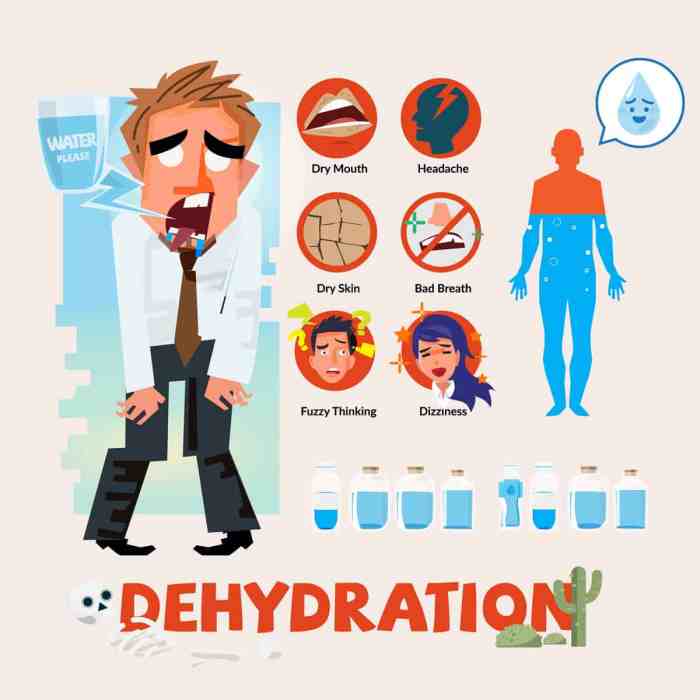
Staying hydrated plays a crucial role in reducing the risk of certain diseases. Let’s explore how adequate hydration can help in preventing chronic illnesses and maintaining overall health.
Hydration and Disease Prevention
- Proper hydration supports the immune system, helping the body fight off infections and illnesses.
- Drinking enough water can reduce the risk of developing kidney stones and urinary tract infections.
- Hydration aids in digestion and can prevent issues like constipation and gastrointestinal disorders.
- Being well-hydrated can help regulate blood pressure and reduce the risk of heart disease and stroke.
- Water is essential for the body to detoxify and eliminate waste products, reducing the burden on organs like the liver and kidneys.
Sleep Hygiene
Proper sleep hygiene is essential for overall health and well-being. It encompasses practices and habits that promote quality sleep, including maintaining a consistent sleep schedule, creating a relaxing bedtime routine, and ensuring a comfortable sleep environment.
Importance of Hydration in Promoting Good Sleep
- Staying hydrated throughout the day can help regulate your body’s internal clock, also known as the circadian rhythm, which plays a crucial role in sleep-wake cycles.
- Dehydration can lead to discomfort, such as dry mouth and nasal passages, making it difficult to fall asleep and stay asleep.
- Drinking enough water can prevent disturbances during the night, such as waking up due to thirst, which can disrupt the sleep cycle.
Hydration Practices to Improve Sleep Quality and Aid in Weight Loss
- Hydrating adequately during the day can reduce the likelihood of nocturnal leg cramps and muscle spasms that may interfere with sleep.
- Consuming a balanced amount of fluids can help prevent snoring and sleep apnea, contributing to better sleep quality.
- Proper hydration supports the body’s metabolic processes, including fat metabolism, which can aid in weight loss efforts when combined with a healthy diet and regular exercise.
Relationship Between Hydration, Restful Sleep, and Weight Management
- Optimal hydration levels support the body’s natural detoxification processes, allowing for better elimination of waste and toxins that may disrupt sleep patterns.
- Improving hydration status can enhance overall energy levels and cognitive function, leading to a more restful and rejuvenating sleep experience.
- By maintaining a healthy balance of fluids, individuals are more likely to engage in physical activity, further promoting weight management and overall well-being.
Mental Clarity
Proper hydration plays a vital role in cognitive function and mental clarity. Dehydration can lead to decreased focus, concentration, and overall cognitive performance.
Impact of Hydration on Cognitive Function
Maintaining optimal hydration levels is crucial for brain function as water is essential for neurotransmitter production and communication. Dehydration can impair short-term memory, decision-making, and cognitive processing speed.
- Hydration helps in maintaining proper brain function by ensuring the transmission of nerve impulses.
- Water aids in the delivery of nutrients and oxygen to the brain, essential for cognitive processes.
- Dehydration can lead to brain fog, difficulty in problem-solving, and decreased alertness.
Enhancing Focus and Concentration
Proper hydration can significantly enhance focus and concentration, leading to improved productivity and performance in daily tasks.
- Drinking water throughout the day can help in staying alert and focused.
- Hydrating before mental tasks can improve cognitive performance and mental acuity.
- Replacing sugary drinks with water can prevent energy crashes and maintain steady focus levels.
Strategies for Optimal Hydration Levels
To maintain optimal hydration levels for improved mental acuity and weight loss, consider the following strategies:
- Carry a reusable water bottle and aim to drink at least 8-10 glasses of water daily.
- Set reminders or use apps to track your water intake throughout the day.
- Incorporate hydrating foods like fruits and vegetables into your diet.
- Avoid excessive caffeine and alcohol consumption, as they can contribute to dehydration.
FAQ Resource
Can dehydration hinder weight loss progress?
Yes, dehydration can slow down metabolism and affect weight loss efforts negatively. It is crucial to stay hydrated to support your weight loss journey.
How much water should I drink daily to aid weight loss?
The general recommendation is to drink at least 8-ounce glasses of water per day, but individual needs may vary based on factors like activity level and climate.
Are there specific hydration-enhancing supplements for weight loss?
Yes, there are supplements like electrolyte powders or drinks that can help enhance hydration levels, especially during intense workouts for weight loss.


More Stories
Skin cancer health screenings near me: Convenient and Essential Services for Local Residents
Outdoor activities for promoting a healthy lifestyle: Engage in Nature for Better Well-being
Stress management techniques for nurses: Effective strategies and tips