How to incorporate physical activity into your daily routine for an active lifestyle is a question many ask, and the answer is simpler than you might think. It’s not about joining a gym or running marathons; it’s about making small, sustainable changes that add up to a healthier you.
Imagine seamlessly weaving movement into your everyday life – taking the stairs instead of the elevator, walking during your lunch break, or adding a quick workout to your morning routine. This is the essence of an active lifestyle – one that benefits your physical and mental well-being in profound ways.
This guide explores the multifaceted benefits of incorporating physical activity into your daily routine, from improving cardiovascular health and managing weight to reducing stress and boosting your mood. We’ll provide practical tips, sample routines, and strategies to help you find activities you enjoy and create a personalized fitness plan that fits your lifestyle.
Let’s embark on a journey toward a healthier, more active you!
Understanding the Benefits of an Active Lifestyle
Embracing an active lifestyle goes beyond simply looking good; it’s a powerful investment in your overall well-being. Regular physical activity isn’t just about burning calories; it’s a fundamental pillar of a healthy and fulfilling life.
The Impact of Physical Activity on Health
A physically active lifestyle has a profound impact on various aspects of your health. It strengthens your cardiovascular system, improves your body composition, and helps prevent chronic diseases.
Cardiovascular Health
Regular exercise strengthens your heart and lungs, improving their efficiency in delivering oxygen throughout your body. This reduced strain on your cardiovascular system lowers your risk of heart disease, stroke, and other cardiovascular problems.
Weight Management
Physical activity plays a crucial role in weight management by burning calories and boosting your metabolism. Regular exercise helps you maintain a healthy weight or lose weight if needed, reducing your risk of obesity-related health problems.
Disease Prevention
Studies consistently show that an active lifestyle significantly reduces your risk of developing chronic diseases such as type 2 diabetes, certain types of cancer, and osteoporosis. Exercise helps regulate blood sugar levels, improves insulin sensitivity, and strengthens bones.
The Connection Between Physical Activity and Mental Well-being
Beyond its physical benefits, physical activity is a powerful tool for enhancing mental well-being.
Stress Reduction
Exercise releases endorphins, which have mood-boosting effects and help reduce stress levels. Regular physical activity can act as a natural stress reliever, improving your ability to cope with daily challenges.
Improved Mood
Exercise has been shown to improve mood and reduce symptoms of anxiety and depression. Engaging in physical activity can help you feel more positive, energized, and focused.
Incorporating Physical Activity into Daily Routine
Integrating physical activity into your daily routine can seem daunting, but it doesn’t have to be a drastic overhaul. Small changes can make a big difference in your overall health and well-being.
Making Movement a Habit
Making physical activity a part of your daily life is about finding ways to move more, even in small increments. These small changes can add up to significant benefits over time.
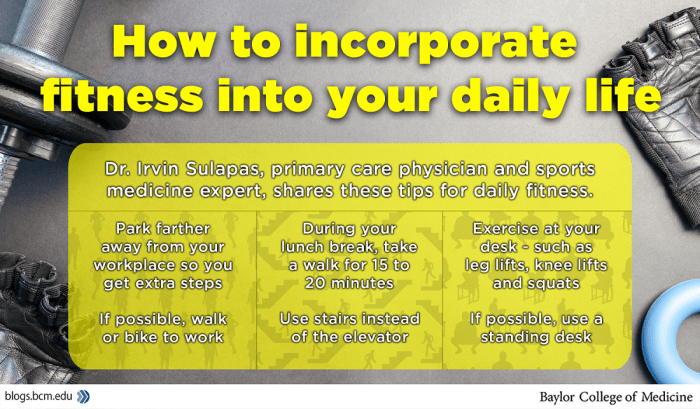
- Take the Stairs:Instead of opting for the elevator, choose the stairs whenever possible. This simple act can provide a quick burst of cardio and strengthen your leg muscles.
- Walk or Cycle Short Distances:For errands or short commutes, consider walking or cycling instead of driving. This not only provides exercise but also reduces your carbon footprint.
- Incorporate Exercise Breaks During Work Hours:Get up and move every hour. Take a short walk around the office, do some stretches, or try a few quick exercises. This can help improve circulation, reduce fatigue, and boost your mood.
- Stand Up More:If your job requires you to sit for long periods, try to stand up more often. Use a standing desk or take breaks to walk around. This can help reduce your risk of chronic diseases like heart disease and diabetes.
- Make It Social:Find an activity you enjoy doing with friends or family. This can make exercise more fun and help you stay motivated.
Sample Daily Routine
Here’s a sample daily routine that includes at least 30 minutes of moderate-intensity physical activity:
- Morning:Start your day with a brisk 15-minute walk or jog. This can help wake you up and get your blood flowing.
- Mid-Day:Take a 10-minute walk during your lunch break. You can also do some stretches or light exercises at your desk.
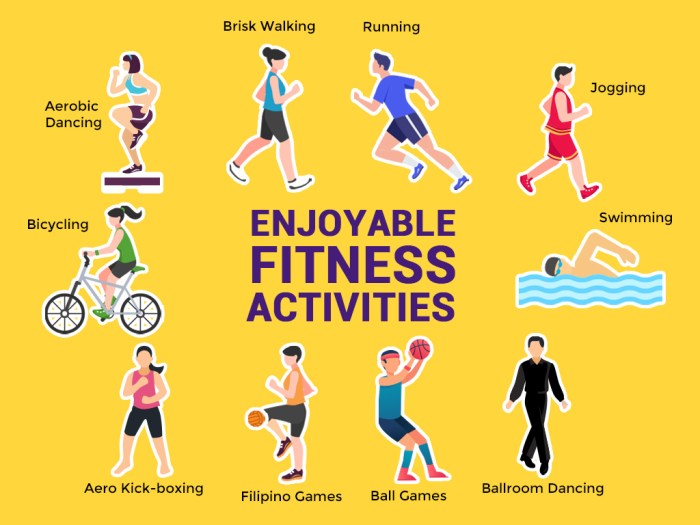
- Evening:Engage in a 30-minute activity you enjoy, such as swimming, cycling, dancing, or a group fitness class.
Finding Enjoyable Activities and Setting Realistic Goals
The key to sticking with an active lifestyle is finding activities you genuinely enjoy. This could be anything from dancing to hiking to playing a sport. It’s also important to set realistic goals that you can achieve. Don’t try to do too much too soon.
Start small and gradually increase your activity level as you become more fit.
Choosing the Right Activities
Finding the right activities for your fitness journey is essential for maintaining motivation and achieving your goals. It’s about finding activities you enjoy, that fit your fitness level, and that help you achieve your desired results.
Types of Physical Activity
There are three main types of physical activity that contribute to a well-rounded fitness program:
- Cardiovascular Exercise:This type of exercise elevates your heart rate and improves your cardiovascular health. Examples include:
- Running:An excellent way to burn calories and improve endurance. It can be done outdoors or on a treadmill.
- Swimming:A low-impact activity that is gentle on your joints. It’s also an excellent full-body workout.
- Cycling:A great option for outdoor exercise and can be done at various intensity levels.
- Dancing:A fun and engaging way to get your heart rate up and improve coordination.
- Strength Training:This type of exercise focuses on building and maintaining muscle mass. Examples include:
- Weightlifting:Using weights to build strength and muscle mass.
- Bodyweight Exercises:Using your body weight for resistance, such as push-ups, squats, and lunges.
- Resistance Bands:A versatile tool for strength training that provides resistance for a variety of exercises.
- Flexibility Exercises:This type of exercise focuses on improving your range of motion and flexibility. Examples include:
- Yoga:A practice that combines physical postures, breathing techniques, and meditation.
- Stretching:Holding a stretch for a period of time to lengthen muscles and improve flexibility.
- Pilates:A low-impact exercise that focuses on core strength, flexibility, and balance.
Choosing Activities That Fit You
When selecting activities, consider your preferences, fitness level, and health goals.
- Preferences:Choose activities you enjoy. If you find an activity enjoyable, you’re more likely to stick with it.
- Fitness Level:Start with activities that are appropriate for your current fitness level. You can gradually increase the intensity and duration as you get fitter.
- Health Goals:Consider your health goals when choosing activities. For example, if you want to lose weight, choose activities that burn a lot of calories. If you want to improve your cardiovascular health, choose activities that elevate your heart rate.
Tips for Choosing Activities
- Try Different Activities:Don’t be afraid to experiment with different activities to find what you enjoy.
- Listen to Your Body:Pay attention to how your body feels during and after exercise. If you experience any pain, stop and rest.
- Set Realistic Goals:Don’t try to do too much too soon. Start with small goals and gradually increase the intensity and duration of your workouts.
- Make It Fun:Exercise should be enjoyable. If you’re not having fun, you’re less likely to stick with it.
- Find a Buddy:Exercising with a friend can make it more enjoyable and motivating.
Creating a Personalized Fitness Plan
A personalized fitness plan is crucial for achieving your fitness goals and maintaining a sustainable active lifestyle. It tailors your exercise routine to your individual needs, preferences, and capabilities.
Setting Realistic Goals
Setting realistic goals is the foundation of a successful fitness plan. Start with achievable targets that you can gradually build upon. It’s better to start small and progress steadily than to set ambitious goals that might lead to discouragement.
Starting Gradually
Sudden, intense workouts can lead to injuries and burnout. Begin by gradually increasing your activity levels. For example, if you’re new to exercise, start with short walks or gentle stretches a few times a week. As you become fitter, you can gradually increase the duration and intensity of your workouts.
Progressing Intensity and Duration
Once you’ve established a consistent routine, you can start to progress the intensity and duration of your workouts. This can be done by increasing the time spent exercising, adding resistance training, or incorporating interval training. It’s important to listen to your body and avoid pushing yourself too hard.
The Role of Rest and Recovery
Rest and recovery are essential for muscle growth and injury prevention. After a workout, your muscles need time to repair and rebuild. Adequate rest allows your body to adapt to the demands of exercise and enhances your overall performance. Aim for at least one or two rest days per week, or more if needed.
Staying Motivated and Consistency: How To Incorporate Physical Activity Into Your Daily Routine For An Active Lifestyle
Maintaining a consistent exercise routine can be challenging, but it’s crucial for achieving lasting health benefits. Overcoming common obstacles and finding strategies to stay motivated are essential for success.
Strategies for Overcoming Barriers to Exercise, How to incorporate physical activity into your daily routine for an active lifestyle
Many factors can hinder exercise, such as time constraints, lack of motivation, or limited access to facilities. Addressing these barriers is key to establishing a sustainable exercise routine.
- Time Management:Incorporate physical activity into your daily schedule, even if it’s just for 10-15 minutes. Short bursts of exercise can be just as effective as longer sessions.
- Motivation Boost:Find activities you enjoy, listen to music, or watch a favorite show while exercising.
- Access to Facilities:Explore free or low-cost options, such as outdoor parks, home workouts, or online fitness videos.
Building a Supportive Network
Social support can significantly impact motivation and consistency. Finding an exercise buddy or joining a fitness group can provide accountability, encouragement, and a sense of community.
- Exercise Buddy:Partner with a friend or family member who shares similar fitness goals.
- Fitness Group:Participate in group fitness classes, running clubs, or sports teams.
Rewarding Progress and Celebrating Achievements
Setting realistic goals and rewarding yourself for achieving milestones can enhance motivation. Celebrate successes, no matter how small, to reinforce positive behavior and maintain momentum.
- Goal Setting:Establish specific, measurable, achievable, relevant, and time-bound (SMART) goals.
- Rewards:Treat yourself to a new workout outfit, a relaxing massage, or a special meal after reaching a fitness goal.
Self-Monitoring and Adjustment
Tracking your progress and making adjustments to your fitness plan as needed is essential for long-term success.
- Progress Tracking:Keep a journal, use fitness apps, or wear a fitness tracker to monitor your activity levels and progress.
- Plan Adjustment:Regularly assess your fitness plan and make necessary adjustments to maintain challenge and prevent plateaus.
The Role of Nutrition in an Active Lifestyle
Your body needs the right fuel to perform at its best, especially when you’re engaging in regular physical activity. A balanced diet plays a crucial role in supporting your exercise performance, recovery, and overall well-being.
The Importance of a Balanced Diet
A balanced diet provides your body with the energy and nutrients it needs to function properly. This is especially important for individuals who are physically active, as their bodies require more energy and nutrients to support their workouts and recovery.
A balanced diet consists of a variety of foods from all food groups, including fruits, vegetables, whole grains, lean protein, and healthy fats.
Macronutrients and Micronutrients for Exercise
Macronutrients
Macronutrients are the building blocks of your diet, providing energy and supporting various bodily functions. They are classified into three categories: carbohydrates, proteins, and fats.
- Carbohydrates:Your primary source of energy during exercise. They are broken down into glucose, which your muscles use as fuel. Choose complex carbohydrates, such as whole grains, fruits, and vegetables, for sustained energy release.
- Proteins:Essential for building and repairing muscle tissue. They also play a role in hormone production and immune function. Include lean protein sources like chicken, fish, beans, and tofu in your diet.
- Fats:Provide energy and help with hormone production, cell function, and absorption of certain vitamins. Opt for healthy fats like those found in avocados, nuts, seeds, and olive oil.
Micronutrients
Micronutrients are essential vitamins and minerals that support various bodily functions, including energy production, muscle recovery, and immune function.
- Vitamins:Crucial for various metabolic processes. Vitamin C supports immune function, while vitamin D helps with calcium absorption for bone health.
- Minerals:Play important roles in regulating body functions. Iron is essential for red blood cell production, while calcium is crucial for strong bones and teeth.
Healthy Meals and Snacks for Active Individuals
Pre-Workout Meals
To fuel your workouts, aim for a meal that is rich in carbohydrates and moderate in protein. This will provide your body with the energy it needs to perform at its best. Examples include:
- Oatmeal with berries and nuts
- Whole-wheat toast with peanut butter and banana
- Grilled chicken salad with quinoa
Post-Workout Snacks
After a workout, your body needs to replenish its energy stores and repair muscle tissue. Choose snacks that are high in carbohydrates and protein. Examples include:
- Greek yogurt with fruit and granola
- Smoothie with protein powder, fruit, and spinach
- Trail mix with nuts, seeds, and dried fruit
Hydration and Recovery
Staying hydrated and allowing your body adequate rest are crucial components of an active lifestyle. These elements play a vital role in optimizing performance, preventing injuries, and promoting overall well-being.
Hydration Strategies
Proper hydration is essential for maintaining fluid balance, regulating body temperature, and supporting various bodily functions, particularly during physical activity.
- Before Exercise:Aim to drink enough fluids to ensure you are well-hydrated before starting your workout. The recommended amount varies depending on factors like activity intensity and duration, but generally, consuming 17-20 ounces of water two to three hours before exercise is a good starting point.
- During Exercise:Replenishing fluids lost through sweat is critical to prevent dehydration. The amount of water you need to drink during exercise depends on factors like activity intensity, duration, and climate. For workouts lasting less than an hour, water is typically sufficient.
However, for longer or more intense sessions, electrolyte-containing beverages can be beneficial.
- After Exercise:It’s crucial to rehydrate after your workout to replenish lost fluids and electrolytes. Aim to consume about 1.5 times the amount of fluid you lost during exercise.
The Role of Electrolytes
Electrolytes are minerals that carry an electric charge when dissolved in fluids, such as sodium, potassium, and magnesium. They play a crucial role in maintaining fluid balance, regulating muscle contractions, and transmitting nerve impulses. During exercise, electrolytes are lost through sweat, and replenishing them is essential for optimal performance.
Recovery Strategies
Rest and recovery are equally important as exercise itself. Adequate rest allows your body to repair and rebuild muscle tissue, reducing the risk of injury and promoting optimal performance.
- Active Recovery:Engaging in low-intensity activities like walking, swimming, or stretching can help improve blood flow and reduce muscle soreness.
- Sleep:Aim for 7-9 hours of quality sleep each night to allow your body ample time to repair and rebuild muscle tissue.
- Nutrition:Consuming a balanced diet rich in protein, carbohydrates, and healthy fats provides your body with the nutrients it needs for recovery.
- Massage:Massage therapy can help reduce muscle tension and soreness, promoting relaxation and recovery.
Health Screenings and Medical Advice
Before embarking on any new fitness journey, it’s crucial to prioritize your health and safety. Regular health screenings and consulting with a healthcare professional can help you identify potential health risks and ensure your exercise plan is tailored to your individual needs.
Importance of Regular Health Screenings
Regular health screenings play a vital role in maintaining overall well-being and detecting health issues early on. These screenings can help identify conditions like high blood pressure, high cholesterol, and diabetes, which can significantly impact your ability to engage in physical activity safely.
- Blood Pressure:Regular blood pressure checks are essential to monitor for hypertension, which can increase the risk of heart disease, stroke, and kidney problems.
- Cholesterol:High cholesterol levels can contribute to the buildup of plaque in your arteries, leading to heart disease. Regular cholesterol screenings help identify and manage these risks.
- Blood Sugar:Blood sugar checks are crucial for detecting diabetes, a condition that can affect your energy levels, cardiovascular health, and overall well-being.
Consulting with a Healthcare Professional
Consulting with a healthcare professional before starting a new exercise program is essential, especially for individuals with pre-existing health conditions. A healthcare professional can:
- Assess your overall health and identify any potential risks associated with exercise.
- Recommend appropriate exercises and activities based on your health status and fitness level.
- Provide guidance on safe exercise intensity and duration.
- Monitor your progress and make necessary adjustments to your exercise plan.
Finding Qualified Healthcare Providers and Fitness Professionals
Finding qualified healthcare providers and fitness professionals is essential for ensuring your health and safety.
- Healthcare Providers:You can find qualified healthcare providers through your insurance provider, online directories, or recommendations from friends and family.
- Fitness Professionals:Look for certified personal trainers, exercise physiologists, or other fitness professionals who are qualified to design and supervise exercise programs. You can find certified professionals through professional organizations like the American College of Sports Medicine (ACSM) or the National Strength and Conditioning Association (NSCA).
Addressing Common Concerns
Embarking on a fitness journey is exciting, but it’s natural to have concerns. This section addresses common worries related to physical activity, providing practical tips for safe and effective exercise.
Injury Prevention
Preventing injuries is crucial for maintaining a consistent exercise routine. Here are some key tips:
- Warm-up Properly:Before any workout, dedicate 5-10 minutes to warming up your muscles. This can include light cardio, dynamic stretching, and movements specific to the activity you’ll be doing. Warming up increases blood flow to the muscles, preparing them for exertion and reducing the risk of strains and tears.
- Listen to Your Body:Pay attention to any pain or discomfort. If you experience sharp pain, stop the exercise immediately. Pushing through pain can lead to more severe injuries. Instead, rest and seek medical advice if necessary.
- Gradual Progression:Avoid increasing the intensity or duration of your workouts too quickly. Gradually increase the challenge to allow your body to adapt. For example, if you’re starting with a 30-minute walk, aim to increase the duration by 5 minutes every week.
This gradual approach minimizes the risk of overuse injuries.
- Proper Technique:Ensure you’re using proper form during exercises. Incorrect technique can strain muscles and joints, increasing the likelihood of injury. If you’re unsure about proper form, seek guidance from a qualified fitness professional.
- Adequate Rest:Rest and recovery are as important as exercise. Allow your body time to repair and rebuild muscle tissue. Aim for at least one day of rest per week, and don’t hesitate to take breaks during your workouts if needed.
Exercise-Induced Asthma
Exercise-induced asthma is a common condition where physical activity triggers breathing difficulties. It’s important to manage this condition to ensure safe and enjoyable exercise.
- Consult a Doctor:If you suspect you have exercise-induced asthma, consult your doctor for a diagnosis and treatment plan. They can recommend medications and strategies to manage your symptoms.
- Warm-up Gradually:Start your workouts with a gradual warm-up, allowing your body to adjust to the increased oxygen demand. This can help minimize the severity of asthma symptoms.
- Choose the Right Activities:Some activities may trigger asthma more than others. Opt for low-impact exercises like swimming or cycling, which tend to be less likely to induce symptoms.
- Avoid Cold Air:Cold air can irritate the airways, triggering asthma symptoms. Exercise indoors or on milder days, and wear a scarf or mask to cover your mouth and nose when exercising in cold weather.
- Use an Inhaler:If you have a prescribed inhaler, use it as directed before exercising. This can help prevent asthma symptoms from developing.
Fatigue
Fatigue is a common experience during exercise, especially when starting a new routine or increasing intensity. Here’s how to manage fatigue:
- Listen to Your Body:Don’t push yourself beyond your limits. If you’re feeling extremely tired, take a break or reduce the intensity of your workout. Pushing through exhaustion can lead to injury or burnout.
- Prioritize Sleep:Aim for 7-9 hours of quality sleep each night. Sleep allows your body to recover and rebuild muscle tissue, preventing excessive fatigue.
- Fuel Your Body:Eat a balanced diet that provides adequate calories and nutrients. Proper nutrition supports energy levels and helps prevent fatigue.
- Hydrate Properly:Dehydration can contribute to fatigue. Drink plenty of water before, during, and after your workouts.
- Vary Your Workouts:Avoid doing the same exercise every day. Variety keeps your body challenged and prevents boredom, which can contribute to fatigue.
The Long-Term Benefits of an Active Lifestyle
An active lifestyle offers a plethora of benefits that extend far beyond immediate physical improvements. Embracing regular physical activity can significantly impact your overall health and well-being, leading to a longer, healthier, and more fulfilling life.
Reduced Risk of Chronic Diseases
Regular physical activity plays a crucial role in preventing chronic diseases, which are the leading causes of death worldwide. By engaging in regular exercise, you can significantly reduce your risk of developing conditions such as heart disease, stroke, type 2 diabetes, certain types of cancer, and obesity.
- Heart Disease:Physical activity strengthens your heart muscle, improves blood flow, and lowers blood pressure, all of which contribute to a healthier cardiovascular system and reduce the risk of heart disease. Studies have shown that individuals who are physically active have a lower risk of developing heart disease compared to their sedentary counterparts.
- Stroke:Physical activity helps control blood pressure and cholesterol levels, which are major risk factors for stroke. By maintaining a healthy weight and improving cardiovascular health, regular exercise can significantly reduce the risk of stroke.
- Type 2 Diabetes:Physical activity helps regulate blood sugar levels, making it an effective tool for preventing and managing type 2 diabetes. Exercise improves insulin sensitivity, allowing your body to use glucose more efficiently.
- Certain Types of Cancer:Studies have linked physical activity to a lower risk of developing certain types of cancer, including colon, breast, and endometrial cancer. The exact mechanisms by which exercise reduces cancer risk are still being studied, but it is believed that physical activity helps regulate hormones, strengthens the immune system, and reduces inflammation, all of which contribute to cancer prevention.
- Obesity:Regular exercise helps you burn calories, build muscle mass, and maintain a healthy weight. By incorporating physical activity into your daily routine, you can effectively manage your weight and reduce the risk of obesity-related health problems.
Improved Quality of Life
Beyond reducing the risk of chronic diseases, an active lifestyle enhances your overall quality of life in numerous ways.
- Increased Energy Levels:Regular exercise boosts your energy levels and reduces fatigue. When you are physically active, your body becomes more efficient at using oxygen and producing energy, leading to increased stamina and a feeling of vitality.
- Improved Mood and Mental Health:Physical activity releases endorphins, which have mood-boosting effects. Exercise has been shown to reduce stress, anxiety, and depression, improving your overall mental well-being. It can also enhance cognitive function, improve sleep quality, and boost self-esteem.
- Better Sleep:Regular exercise can improve the quality and duration of your sleep. However, it is important to avoid strenuous exercise close to bedtime, as it can interfere with sleep.
- Enhanced Social Connections:Participating in group fitness classes, joining a sports team, or engaging in outdoor activities with friends and family can provide opportunities for social interaction and build strong relationships.
- Improved Flexibility and Balance:As we age, our muscles and joints naturally become less flexible and our balance can deteriorate. Regular exercise can help maintain flexibility and balance, reducing the risk of falls and injuries.
Increased Longevity
Numerous studies have consistently demonstrated that physically active individuals live longer and healthier lives than their sedentary counterparts.
- Reduced Mortality Rate:Studies have shown that individuals who engage in regular physical activity have a lower mortality rate from all causes, including heart disease, stroke, cancer, and other chronic diseases.
- Improved Overall Health:Physical activity helps maintain a healthy weight, strengthens bones and muscles, improves cardiovascular health, and boosts the immune system, all of which contribute to a longer and healthier life.
- Increased Life Expectancy:Research has shown that individuals who engage in regular physical activity can increase their life expectancy by several years.
Last Recap
Remember, the key to a successful active lifestyle is finding activities you enjoy and making them a part of your daily routine. Don’t be afraid to experiment, set realistic goals, and celebrate your achievements along the way. By prioritizing movement and embracing a holistic approach to health, you can unlock a world of benefits that extend far beyond physical fitness.
You’ll feel more energized, resilient, and empowered to live a fulfilling life. So, take the first step today, and start moving towards a healthier, happier you!
Essential Questionnaire
How much exercise do I need to do each week?
The general recommendation is at least 150 minutes of moderate-intensity aerobic activity or 75 minutes of vigorous-intensity aerobic activity per week. You can also spread this out over multiple days.
What if I have a physical limitation or health condition?
It’s crucial to consult with your doctor before starting any new exercise program, especially if you have pre-existing conditions. They can help you tailor a safe and effective plan.
What are some good exercises for beginners?
Start with activities you enjoy and gradually increase the intensity and duration. Walking, swimming, cycling, and yoga are excellent beginner-friendly options.


More Stories
Fit in 30: Best Fitness Routine for Busy Professionals