Stress Management
Stress can have a significant impact on cholesterol levels. When stressed, the body releases cortisol, a hormone that can increase cholesterol production. High levels of cholesterol can then lead to various heart-related issues.
Tips for Reducing Stress
- Avoiding caffeine, alcohol, and nicotine can help reduce stress levels.
- Regular exercise, such as yoga or meditation, can relax the body and mind.
- Getting an adequate amount of sleep each night is crucial for stress management.
Incorporating Stress-Relief Techniques into Daily Routine
- Start the day with deep breathing exercises to calm the mind.
- Take short breaks throughout the day to stretch and relax your muscles.
- Practice mindfulness by focusing on the present moment and letting go of worries.
Healthy Lifestyle
Maintaining a healthy lifestyle is crucial for reducing cholesterol levels and improving overall well-being. Making positive lifestyle choices can have a significant impact on your heart health and help you lower your cholesterol levels.
Impact of Lifestyle Choices on Cholesterol Levels
Living a sedentary lifestyle, consuming a diet high in saturated fats and processed foods, smoking, and excessive alcohol intake can all contribute to high cholesterol levels. On the other hand, engaging in regular physical activity, eating a balanced diet rich in fruits, vegetables, whole grains, and lean proteins, avoiding smoking, and limiting alcohol consumption can help lower cholesterol levels naturally.
Healthy Habits to Lower Cholesterol
- Include more soluble fiber in your diet, such as oats, barley, beans, and lentils.
- Choose healthy fats like avocados, nuts, seeds, and olive oil instead of saturated fats.
- Stay hydrated by drinking plenty of water throughout the day.
- Incorporate regular exercise into your routine, aiming for at least 150 minutes of moderate-intensity exercise per week.
- Avoid processed foods, sugary beverages, and excessive salt intake.
Tips for Maintaining a Healthy Lifestyle to Reduce Cholesterol
- Make small, sustainable changes to your diet and exercise habits rather than drastic changes that are hard to maintain.
- Monitor your cholesterol levels regularly and work with your healthcare provider to set goals for improvement.
- Aim to maintain a healthy weight through a combination of diet and exercise.
- Practice stress management techniques like meditation, yoga, or deep breathing to reduce stress, which can impact cholesterol levels.
- Stay consistent with your healthy habits and seek support from friends, family, or a support group to stay motivated.
Medical Innovations
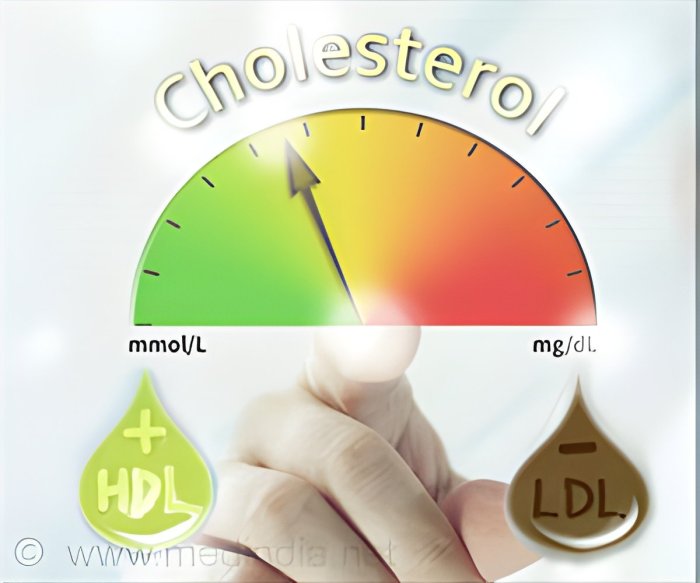
In the field of medicine, there have been significant advancements in managing and monitoring cholesterol levels. These innovations have revolutionized the way we approach cholesterol-related health issues.
Innovative Medical Approaches
- One innovative approach is the use of PCSK9 inhibitors, a type of medication that helps lower LDL cholesterol levels significantly.
- Another approach involves the use of RNA-based therapies to target specific genes related to cholesterol metabolism, providing a more personalized treatment option.
Latest Advancements in Cholesterol-Lowering Medications
- New classes of cholesterol-lowering medications, such as bempedoic acid and inclisiran, have shown promising results in reducing LDL cholesterol levels.
- Combination therapies, which involve the use of multiple medications with different mechanisms of action, are being explored to achieve better cholesterol control.
Emerging Technologies for Monitoring Cholesterol Levels
- Continuous glucose monitoring devices are now being adapted to measure cholesterol levels in real-time, providing individuals with immediate feedback on their lipid profile.
- Portable cholesterol testing kits that can deliver results within minutes are becoming more accessible, allowing for convenient monitoring outside of traditional healthcare settings.
Nutritional Supplements
Healthy lifestyle tips for reducing cholesterol – When it comes to reducing cholesterol levels, nutritional supplements can play a significant role in supporting overall heart health. These supplements can provide essential nutrients that help in managing cholesterol levels effectively.
Beneficial Supplements for Cholesterol Management
- Omega-3 Fatty Acids: Found in fish oil supplements, omega-3 fatty acids can help lower triglycerides and increase HDL (good) cholesterol levels.
- Plant Sterols: These supplements help block the absorption of cholesterol in the intestines, thereby reducing LDL (bad) cholesterol levels.
- Coenzyme Q10 (CoQ10): CoQ10 is known for its antioxidant properties and can help lower LDL cholesterol levels.
- Soluble Fiber: Supplements like psyllium husk can help lower cholesterol by reducing the absorption of cholesterol in the bloodstream.
Guidelines for Incorporating Supplements into a Healthy Diet
It is important to consult with a healthcare provider before adding any new supplements to your diet, especially if you are already taking medications. Here are some guidelines for incorporating supplements into a healthy diet for cholesterol control:
- Choose high-quality supplements from reputable brands to ensure safety and effectiveness.
- Follow the recommended dosage instructions provided on the supplement label or by your healthcare provider.
- Take supplements with meals to enhance absorption and reduce the risk of gastrointestinal side effects.
- Monitor your cholesterol levels regularly to assess the impact of supplements on your overall heart health.
Fitness Routine
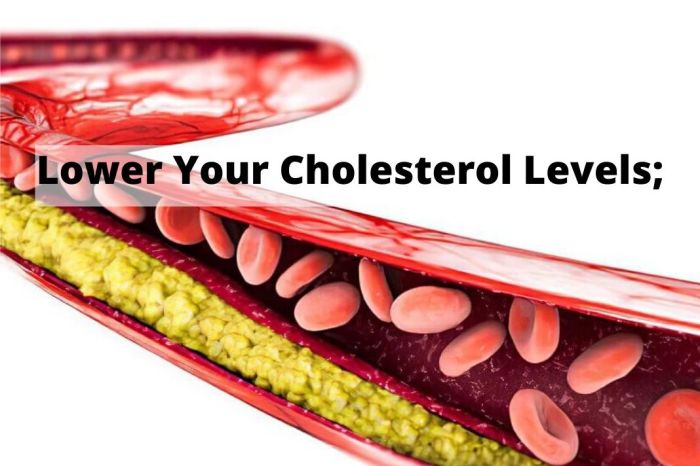
Regular exercise plays a crucial role in lowering cholesterol levels and improving overall heart health. By incorporating effective exercises into your routine, you can positively impact your cholesterol profile and reduce the risk of cardiovascular diseases.
Importance of Exercise in Lowering Cholesterol Levels
Regular physical activity not only helps in lowering bad cholesterol (LDL) levels but also raises good cholesterol (HDL) levels. This balancing act is essential for maintaining a healthy heart and reducing the risk of heart disease.
- Cardiovascular Exercises: Activities like brisk walking, running, cycling, and swimming are great for improving cardiovascular health and lowering cholesterol levels. Aim for at least 30 minutes of moderate to intense aerobic exercise most days of the week.
- Strength Training: Incorporating strength training exercises at least 2-3 times a week can help build muscle mass, which in turn boosts metabolism and aids in weight management. This can have a positive impact on cholesterol levels.
- Flexibility and Stretching: Don’t forget to include stretching exercises in your routine to improve flexibility, posture, and overall mobility. Stretching can help prevent injuries and keep you active for the long run.
Creating a Personalized Fitness Routine for Cholesterol Reduction
When designing a fitness routine to specifically target cholesterol reduction, it’s important to consider your current fitness level, any existing health conditions, and personal preferences. Here are some tips to help you create a personalized plan:
- Consult with a healthcare provider or a fitness professional to assess your current health status and determine the most suitable exercises for your needs.
- Set realistic goals and create a balanced workout plan that includes a mix of cardiovascular, strength training, and flexibility exercises.
- Start slowly and gradually increase the intensity and duration of your workouts as your fitness level improves.
- Stay consistent with your exercise routine and make it a habit by scheduling regular workout sessions throughout the week.
- Monitor your progress regularly and make adjustments to your routine as needed to continue challenging your body and achieving optimal results.
Health Screenings: Healthy Lifestyle Tips For Reducing Cholesterol
Regular health screenings are essential for monitoring cholesterol levels as they help detect any potential issues early on and allow for timely interventions to prevent heart disease and other complications. Cholesterol screenings are particularly important for individuals with risk factors such as obesity, high blood pressure, diabetes, and a family history of heart disease.
Types of Screenings for Cholesterol Testing
- Full Lipid Panel: This blood test measures total cholesterol, LDL (bad) cholesterol, HDL (good) cholesterol, and triglycerides.
- Non-Fasting Lipid Panel: A convenient option that does not require fasting before the test, primarily focusing on total cholesterol and HDL levels.
- Direct LDL Test: A more specific test that directly measures LDL cholesterol levels in the blood.
Guidelines for Cholesterol Screenings
- Adults should have their cholesterol checked at least once every five years starting at age 20.
- Individuals with risk factors should undergo more frequent screenings as recommended by their healthcare provider.
- Regular screenings help in assessing the effectiveness of lifestyle changes, medications, or other interventions in managing cholesterol levels.
Disease Prevention
Maintaining a healthy lifestyle and managing cholesterol levels can play a crucial role in preventing various diseases associated with high cholesterol. By making positive changes in your daily habits, you can significantly reduce the risk of developing serious health conditions.
Examples of Diseases Associated with High Cholesterol
- Coronary artery disease: High cholesterol can lead to the buildup of plaque in the arteries, increasing the risk of heart attacks and other cardiovascular issues.
- Stroke: When cholesterol levels are elevated, it can contribute to the formation of blood clots that may lead to a stroke.
- Peripheral artery disease: This condition occurs when narrowed arteries reduce blood flow to the limbs, causing pain and increasing the risk of infections.
Tips on Disease Prevention through Cholesterol Management
- Adopt a balanced diet rich in fruits, vegetables, whole grains, and lean proteins to help lower cholesterol levels.
- Engage in regular physical activity to maintain a healthy weight and improve overall cardiovascular health.
- Avoid smoking and limit alcohol consumption to reduce the risk of damaging blood vessels and worsening cholesterol levels.
- Monitor cholesterol levels regularly through health screenings and consult with healthcare professionals for personalized advice and treatment options.
Sleep Hygiene
Maintaining adequate sleep hygiene is crucial for overall health, including cholesterol levels. Poor sleep quality can have a negative impact on cholesterol levels, as it disrupts the body’s internal balance and can lead to increased levels of LDL cholesterol, also known as the “bad” cholesterol.
Tips for Improving Sleep Hygiene
- Avoid caffeine and heavy meals close to bedtime to improve sleep quality.
- Establish a consistent sleep schedule by going to bed and waking up at the same time every day, even on weekends.
- Create a relaxing bedtime routine that includes activities such as reading or taking a warm bath to signal to your body that it’s time to wind down.
- Ensure your bedroom is conducive to sleep by keeping it dark, quiet, and at a comfortable temperature.
Strategies for Establishing Healthy Sleep Habits
- Avoid using electronic devices before bedtime, as the blue light emitted can interfere with the production of melatonin, a hormone that regulates sleep.
- Engage in regular physical activity during the day, but avoid vigorous exercise close to bedtime.
- Practice relaxation techniques such as deep breathing or meditation to reduce stress and promote better sleep.
- If you continue to have trouble sleeping, consider consulting a healthcare professional to rule out any underlying sleep disorders.
Mental Clarity
Maintaining mental clarity is crucial for overall health, including managing cholesterol levels. When our minds are clear and focused, we are better equipped to make healthy choices that positively impact our well-being.
Techniques for Enhancing Mental Clarity
- Adequate Sleep: Prioritize getting enough restful sleep each night to support cognitive function and mental clarity.
- Meditation: Incorporate mindfulness meditation into your daily routine to reduce stress and improve focus.
- Physical Exercise: Engage in regular physical activity to boost circulation and oxygen flow to the brain, enhancing mental clarity.
- Healthy Diet: Fuel your body with nutrient-dense foods that support brain health, such as omega-3 fatty acids found in fish and nuts.
- Stay Hydrated: Drink plenty of water throughout the day to maintain cognitive function and mental sharpness.
Mindfulness Practices for Improved Cholesterol Profiles, Healthy lifestyle tips for reducing cholesterol
- Deep Breathing: Practice deep breathing exercises to calm the mind and reduce stress, which can positively impact cholesterol levels.
- Yoga: Incorporate yoga into your routine to promote relaxation, improve circulation, and support overall heart health.
- Gratitude Journaling: Cultivate a positive mindset by keeping a gratitude journal to shift focus from stress to appreciation, benefiting cholesterol management.
- Visualization Techniques: Use visualization to imagine yourself leading a healthy lifestyle, making better choices, and achieving optimal cholesterol levels.
- Mindful Eating: Practice mindful eating by savoring each bite, listening to your body’s hunger cues, and making nutritious food choices to support heart health.
Hydration Importance
Staying hydrated is crucial for maintaining healthy cholesterol levels and overall well-being. Proper hydration supports the body’s natural processes, including cholesterol regulation.
Daily Water Intake Guidelines for Cholesterol Management
When it comes to managing cholesterol levels, it is recommended to drink an adequate amount of water throughout the day. The general guideline is to consume at least 8-10 glasses of water daily to support cholesterol management.
Tips for Staying Hydrated and Impact on Cholesterol Levels
- Aim to carry a reusable water bottle with you wherever you go to ensure easy access to water throughout the day.
- Set reminders on your phone or use apps to prompt you to drink water at regular intervals.
- Incorporate hydrating foods such as fruits and vegetables into your diet to boost your overall water intake.
- Avoid excessive consumption of sugary and caffeinated beverages, as they can dehydrate the body and negatively impact cholesterol levels.
- Monitor your urine color to ensure you are adequately hydrated. Clear or light yellow urine indicates proper hydration.
Top FAQs
How does stress affect cholesterol levels?
Stress can lead to an increase in cholesterol levels as it triggers the release of hormones that can impact lipid metabolism.
What are the best exercises for lowering cholesterol?
Aerobic exercises like brisk walking, cycling, and swimming are effective in improving cholesterol profiles.
Are there specific supplements that can help reduce cholesterol?
Supplements like omega-3 fatty acids, plant sterols, and soluble fiber have been shown to be beneficial for cholesterol management.
How often should I undergo cholesterol screenings?
It is recommended to have regular cholesterol screenings every 4-6 years for individuals over the age of 20, or more frequently based on individual risk factors.
Can improving sleep quality really help in reducing cholesterol?
Yes, good sleep hygiene is essential for cholesterol control as poor sleep habits can impact metabolic processes related to cholesterol regulation.


More Stories
Hydration and its importance for oral health: Maintaining a Healthy Mouth through Proper Hydration
Hydration and its impact on digestive health: Importance, Effects, and Solutions
Disease prevention through balanced microbiome maintenance: Strategies for a healthier you