Overview of Nanotechnology in Medicine
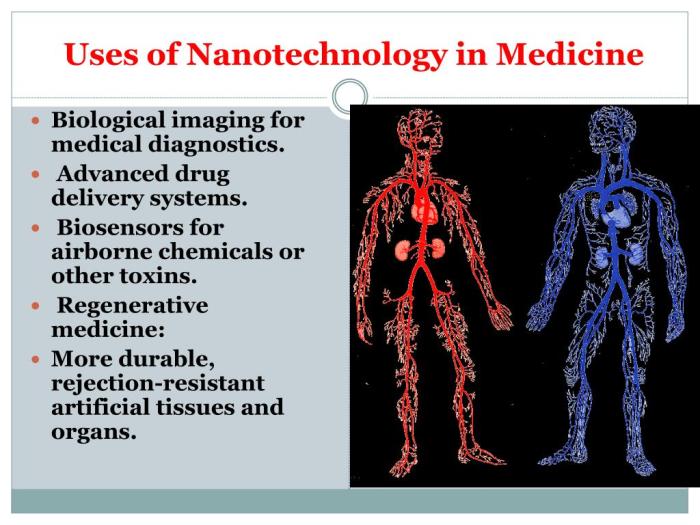
Nanotechnology in medicine involves the manipulation of materials at the nanoscale to create innovative solutions for various medical applications. This cutting-edge technology has revolutionized the field of healthcare by enabling targeted drug delivery, imaging, diagnostics, and therapy on a molecular level.
Applications of Nanotechnology in Medicine
- Nanoparticles for Drug Delivery: Nanoparticles can be engineered to encapsulate drugs and deliver them directly to targeted cells or tissues, increasing efficacy and minimizing side effects.
- Nanotechnology in Imaging: Nanoparticles with imaging agents can enhance the visualization of specific biological structures, aiding in the early detection and monitoring of diseases.
- Nano-based Diagnostics: Nanosensors and nanodevices are used for rapid and accurate detection of biomarkers, pathogens, and other disease indicators, improving diagnostic capabilities.
Benefits of Nanotechnology in Medicine
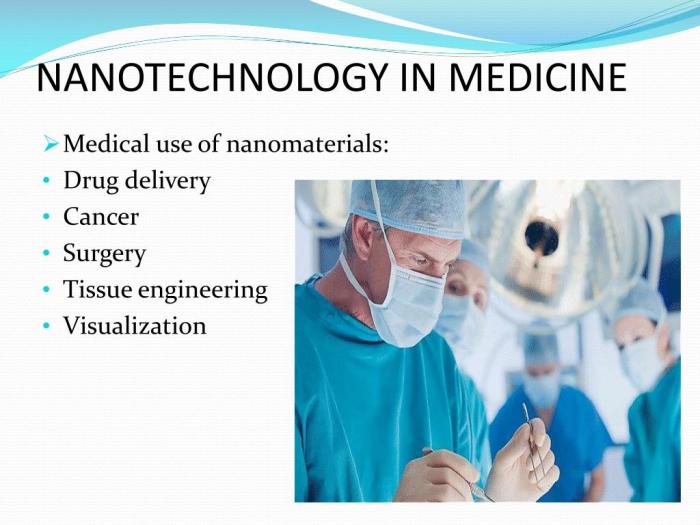
Nanotechnology has revolutionized the field of medicine by offering numerous benefits that have the potential to transform healthcare as we know it. From enhancing drug delivery to enabling targeted cancer therapy and aiding in early disease detection, nanotechnology has opened up new possibilities for improving patient outcomes.
Enhanced Drug Delivery
Nanotechnology plays a crucial role in enhancing drug delivery within the body by enabling targeted and controlled release of medications. Nanoparticles can be designed to carry drugs directly to specific cells or tissues, reducing side effects and improving the efficacy of treatments. This targeted approach not only increases the effectiveness of medications but also minimizes the dosage required, leading to reduced toxicity and better patient compliance.
Targeted Cancer Therapy
One of the most promising applications of nanotechnology in medicine is in targeted cancer therapy. Nanoparticles can be engineered to deliver anticancer drugs directly to tumor cells, sparing healthy surrounding tissues. This targeted approach helps to increase the effectiveness of chemotherapy while minimizing the systemic side effects commonly associated with traditional cancer treatments. Additionally, nanotechnology allows for the integration of imaging agents into nanoparticles, enabling real-time monitoring of treatment response and tumor progression.
Early Disease Detection
Nanotechnology has also revolutionized early disease detection by enabling the development of highly sensitive diagnostic tools. Nanoscale sensors and imaging techniques can detect biomarkers of disease at the molecular level, allowing for the early detection of conditions such as cancer, cardiovascular diseases, and infectious diseases. Early diagnosis facilitated by nanotechnology not only improves patient outcomes but also opens up new possibilities for personalized medicine and targeted interventions.
Nanotechnology for Health Screenings
Nanotechnology has significantly enhanced the accuracy of health screenings by allowing for the detection of diseases at the molecular level. This revolutionary technology has the potential to transform diagnostic processes, offering a more precise and efficient way to identify health issues.
Improved Accuracy of Health Screenings
Nanotechnology enables the development of highly sensitive diagnostic tools that can detect biomarkers and other indicators of disease with exceptional precision. By utilizing nanoscale materials and devices, healthcare professionals can identify health conditions at an early stage, increasing the chances of successful treatment and recovery.
Revolutionizing Diagnostic Processes
With the help of nanotechnology, traditional diagnostic methods are being replaced by more advanced techniques that provide faster results and higher accuracy. Nanosensors and nanodevices can detect subtle changes in the body’s biochemistry, offering a comprehensive view of a patient’s health status and enabling personalized treatment plans.
Detection of Diseases at the Molecular Level
Nanotechnology allows for the detection of diseases at the molecular level, making it possible to identify specific genetic mutations, proteins, and other biomarkers associated with various health conditions. This targeted approach not only improves the early diagnosis of diseases but also facilitates the monitoring of treatment effectiveness and disease progression.
Nanotechnology for Disease Prevention
Nanotechnology offers promising opportunities for disease prevention by revolutionizing the way vaccines are developed and enhancing immune responses.
Development of Vaccines
Nanotechnology enables the design and delivery of vaccines with improved efficacy and targeted delivery. Nanoparticles can encapsulate antigens, ensuring stability and controlled release for a more potent immune response. This targeted approach enhances the body’s ability to recognize and combat specific pathogens, leading to better protection against diseases.
Enhancing Immune Responses, Benefits of nanotechnology in medicine
Nanoparticles can be engineered to boost immune responses by acting as adjuvants. These particles stimulate the immune system, enhancing the body’s ability to recognize and respond to threats. By precisely targeting immune cells and enhancing their activation, nanotechnology can improve the overall effectiveness of vaccines and preventive measures. This approach holds great promise for developing robust immune responses against a wide range of diseases.
Nanotechnology for Medical Innovations
Nanotechnology plays a crucial role in driving innovative advancements in the field of medicine. By harnessing the unique properties of nanoscale materials, researchers and scientists are developing cutting-edge medical devices that have the potential to revolutionize healthcare.
Role of Nanotechnology in Developing Innovative Medical Devices
Benefits of nanotechnology in medicine – Nanotechnology enables the creation of medical devices with unprecedented precision and efficiency. Nanoscale materials can be engineered to exhibit specific properties that are highly beneficial for medical applications, such as targeted drug delivery systems, implantable sensors, and diagnostic tools. These devices offer improved accuracy, reduced invasiveness, and enhanced effectiveness compared to traditional medical technologies.
Contribution of Nanotechnology to Personalized Medicine
Nanotechnology plays a key role in the advancement of personalized medicine, which aims to tailor medical treatments to individual patients based on their unique genetic makeup, lifestyle, and health conditions. Nanoscale tools and technologies enable healthcare providers to deliver personalized therapies, diagnostics, and monitoring solutions that are specifically designed for each patient, leading to more effective outcomes and improved patient care.
Future Possibilities of Nanotechnology in Medical Breakthroughs
The future possibilities of nanotechnology in medicine are vast and promising. Researchers are exploring innovative nanotechnologies for applications such as targeted cancer therapies, regenerative medicine, and bioengineering of organs and tissues. With ongoing advancements in nanomedicine, the potential for groundbreaking medical breakthroughs that could transform the way we diagnose, treat, and prevent diseases is increasingly within reach.
Nanotechnology for Mental Clarity
Nanotechnology has shown promising potential in enhancing cognitive functions and improving mental clarity. By utilizing nanoscale materials and devices, researchers are exploring innovative ways to support brain health and treat neurological disorders.
Enhancing Cognitive Functions
Nanotechnology offers the possibility of targeted drug delivery to the brain, allowing for more effective treatment of conditions that affect cognitive functions. Nanoparticles can be engineered to cross the blood-brain barrier, delivering therapeutic agents directly to specific areas of the brain. This targeted approach can enhance the efficacy of treatments and reduce side effects.
Treating Neurological Disorders
The precise delivery of drugs and therapeutic agents enabled by nanotechnology holds great promise for treating neurological disorders such as Alzheimer’s disease, Parkinson’s disease, and epilepsy. Nanoparticles can be designed to target diseased cells or tissues in the brain, offering new avenues for personalized medicine and improved patient outcomes.
Improving Brain Health and Mental Clarity
Nanotechnology can also contribute to overall brain health and mental clarity by supporting neuroprotection and neuroregeneration. Nanomaterials can be used to stimulate nerve growth, repair damaged neural circuits, and enhance synaptic connections in the brain. These advancements have the potential to improve cognitive function, memory, and overall mental well-being.
Nanotechnology for Sleep Hygiene
Nanotechnology plays a crucial role in enhancing sleep hygiene by utilizing advanced materials and devices to improve sleep quality, manage sleep disorders, and regulate sleep patterns effectively.
Improving Sleep Quality
- Nanotechnology offers the development of smart textiles embedded with micro-sized sensors that can monitor vital signs and sleep patterns during the night.
- These sensors can detect changes in body temperature, heart rate, and breathing patterns, providing valuable data to analyze sleep quality and optimize sleeping conditions.
- Nanoparticles infused in bedding materials can enhance comfort levels, regulate body temperature, and reduce moisture, contributing to a more restful and rejuvenating sleep experience.
Managing Sleep Disorders
- Nanotechnology enables the creation of targeted drug delivery systems that can transport medication directly to affected areas in the body, offering precise and efficient treatment for sleep disorders such as insomnia or sleep apnea.
- Nanoscale devices can be designed to stimulate specific brain regions involved in sleep regulation, providing non-invasive therapeutic solutions for individuals with chronic sleep disturbances.
- Implantable nanosensors can continuously monitor brain activity and detect anomalies that may disrupt normal sleep patterns, allowing for early intervention and personalized treatment strategies.
Regulating Sleep Patterns
- Nanotechnology-based light therapy devices can mimic natural daylight cycles and help regulate circadian rhythms, promoting the synchronization of sleep-wake cycles and improving overall sleep quality.
- Nanoscale sensors integrated into wearable devices can track daily activities, exposure to light, and environmental factors that influence sleep, offering insights to adjust lifestyle habits for better sleep outcomes.
- Nanoparticles with photothermal properties can be used to create sleep masks that emit gentle heat or light pulses to induce relaxation, reduce stress, and facilitate the transition to restful sleep.
Nanotechnology for Hydration Importance
Staying hydrated is crucial for overall health and well-being. Nanotechnology plays a significant role in enhancing hydration strategies, developing monitoring devices, and improving hydration levels.
Enhanced Hydration Strategies
Nanotechnology allows for the development of advanced hydration solutions that can be easily absorbed at the cellular level, ensuring efficient hydration of the body.
Hydration Monitoring Devices
By utilizing nanotechnology, innovative hydration monitoring devices can be created to track hydration levels in real-time, providing valuable insights for maintaining optimal hydration.
Improved Hydration Levels for Overall Health
Nanotechnology enables the formulation of hydrating products with enhanced bioavailability, ensuring that the body receives the necessary hydration to support various bodily functions and promote overall health.
Frequently Asked Questions: Benefits Of Nanotechnology In Medicine
How does nanotechnology enhance drug delivery in the body?
Nanoparticles can be designed to target specific areas in the body, ensuring precise delivery of drugs to the affected regions.
What is the role of nanotechnology in targeted cancer therapy?
Nanotechnology allows for the delivery of anticancer drugs directly to tumor cells, minimizing damage to healthy tissues.
How can nanotechnology aid in early disease detection?
Nanotechnology enables the detection of diseases at a molecular level, allowing for early diagnosis and intervention.


More Stories
Hydration and its importance for oral health: Maintaining a Healthy Mouth through Proper Hydration
Hydration and its impact on digestive health: Importance, Effects, and Solutions
Disease prevention through balanced microbiome maintenance: Strategies for a healthier you