Best morning routines to kickstart your day with a healthy lifestyle are more than just a trend; they’re a powerful tool for creating a life of vitality and well-being. Imagine waking up feeling energized, focused, and ready to tackle the day with a sense of purpose.
That’s the power of a well-crafted morning routine. It’s about setting the stage for success, both physically and mentally, and building habits that contribute to long-term health and happiness.
This article will explore a variety of morning routine strategies, from hydration and nutrition to movement and mindfulness, offering practical tips and insights to help you design a routine that aligns with your individual needs and goals. Whether you’re looking to boost your energy, reduce stress, or simply feel better overall, incorporating these routines into your daily life can make a world of difference.
The Power of a Morning Routine
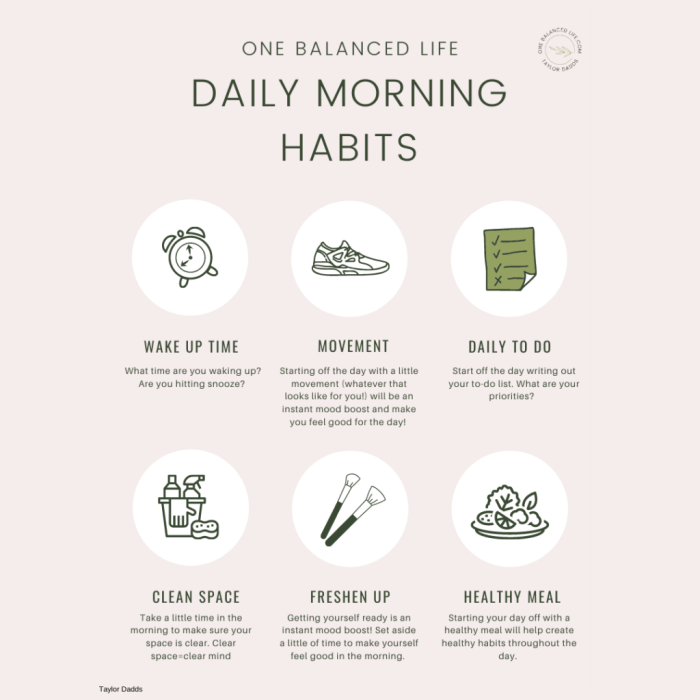
A consistent morning routine is a powerful tool for enhancing your overall well-being and achieving your goals. It provides structure, sets the tone for the day, and helps you prioritize what’s important. By establishing a routine, you create a framework for success, allowing you to manage your time effectively, increase productivity, and cultivate a healthier lifestyle.
Benefits of a Morning Routine
A structured morning routine can significantly improve your time management, productivity, and overall well-being. It sets the stage for a productive and fulfilling day by providing a sense of control and purpose.
- Improved Time Management:A routine helps you prioritize tasks and allocate time efficiently. By scheduling specific activities, you avoid procrastination and ensure that you accomplish what matters most.
- Increased Productivity:A well-structured morning routine can boost your focus and concentration, allowing you to tackle tasks with greater efficiency. Starting your day with a sense of purpose and direction can lead to increased productivity throughout the day.
- Enhanced Well-being:A morning routine that includes healthy habits like exercise, meditation, or journaling can positively impact your physical and mental health. These practices can reduce stress, improve mood, and enhance your overall sense of well-being.
Examples of Successful Morning Routines
Individuals from diverse backgrounds and lifestyles have successfully implemented morning routines that cater to their unique needs and goals. Here are some examples:
- The Athlete:A professional athlete might start their day with a rigorous workout, followed by a nutritious breakfast and a period of stretching and meditation. This routine prepares them physically and mentally for intense training and competition.
- The Entrepreneur:An entrepreneur might begin their day with a quiet hour of reflection and goal-setting, followed by reviewing emails and planning their day’s activities. This routine ensures they prioritize their goals and manage their time effectively.
- The Student:A student might start their day with a healthy breakfast, followed by a dedicated study session and a quick exercise routine. This routine helps them focus on their studies and maintain a balanced lifestyle.
Hydration
Your body works tirelessly throughout the night, even while you sleep. It needs replenishing to start the day feeling energized and ready to take on anything. Water is the lifeblood of your body, and it’s essential for optimal functioning.
Starting your day hydrated sets the stage for a healthy and productive day.
The Importance of Morning Hydration
Drinking water first thing in the morning is crucial for rehydrating your body after a night of sleep. During sleep, your body continues to function, including breathing, circulating blood, and regulating temperature. This process requires water, and your body’s water stores can become depleted.
Recommended Water Intake
Experts recommend drinking 16-20 ounces of waterupon waking. This helps rehydrate your body, kick-start your metabolism, and improve your overall energy levels.
Benefits of Water with Lemon
Adding lemon to your morning water can enhance the benefits of hydration. Lemon is a natural source of vitamin C, an antioxidant that helps protect your cells from damage. It can also aid digestion, boost your immune system, and even help with weight management.
Fueling Your Body
A balanced and nutritious breakfast is the foundation of a healthy morning routine, providing sustained energy and focus throughout the day. Starting your day with a nourishing meal sets the stage for optimal physical and mental performance, helping you conquer your goals and feel your best.
Importance of a Nutritious Breakfast
A nutritious breakfast provides your body with the essential nutrients it needs to function optimally after a night of rest. It replenishes your energy stores, regulates blood sugar levels, and boosts your metabolism. This, in turn, improves concentration, memory, and overall cognitive function, allowing you to tackle your day with clarity and focus.
Healthy Breakfast Options
A well-balanced breakfast should include a combination of protein, complex carbohydrates, and healthy fats. This ensures sustained energy release, promotes satiety, and provides essential nutrients for optimal health.Here are some examples of healthy breakfast options:
- Oatmeal with Berries and Nuts:Oatmeal is a great source of fiber and complex carbohydrates, providing sustained energy. Berries are rich in antioxidants, while nuts offer healthy fats and protein.
- Greek Yogurt with Fruit and Granola:Greek yogurt is a protein-rich option, while fruit provides vitamins and minerals. Granola adds a touch of sweetness and healthy fats.
- Eggs with Whole-Wheat Toast:Eggs are a complete protein source, providing essential amino acids. Whole-wheat toast offers fiber and complex carbohydrates for sustained energy.
- Smoothie with Protein Powder and Fruits:Smoothies are a convenient and versatile option. Blending protein powder, fruits, and vegetables provides a quick and nutritious breakfast.
Benefits of Food Groups
Incorporating various food groups into your breakfast provides a diverse range of nutrients that contribute to overall health and well-being.
- Protein:Protein is essential for building and repairing tissues, producing enzymes and hormones, and maintaining a healthy immune system.
- Complex Carbohydrates:Complex carbohydrates provide sustained energy release, keeping you feeling full and energized throughout the morning.
- Healthy Fats:Healthy fats are crucial for hormone production, cell function, and absorption of essential vitamins.
- Fruits and Vegetables:Fruits and vegetables are rich in vitamins, minerals, and antioxidants, which support overall health and protect against chronic diseases.
Mental Clarity and Focus
Starting your day with activities that promote mental clarity and focus can set the stage for a productive and fulfilling day. By engaging your mind in stimulating ways, you can sharpen your cognitive abilities, enhance your concentration, and improve your overall well-being.
Strategies for Enhancing Mental Clarity and Focus
A well-structured morning routine can help you achieve a state of mental clarity and focus. Here are some effective strategies to minimize distractions and maximize productivity throughout the day:
- Engage in Mind-Stimulating Activities:Activities like light reading, puzzle solving, or creative pursuits can help awaken your mind and enhance cognitive function. Engaging in these activities can prime your brain for the day ahead, promoting alertness and focus. For example, reading a few pages of a thought-provoking book or solving a crossword puzzle can stimulate your brain and improve your mental agility.
- Practice Mindfulness and Meditation:Mindfulness and meditation techniques can help you calm your mind, reduce stress, and improve your focus. By practicing mindfulness, you become more aware of your thoughts and feelings, allowing you to observe them without judgment. Meditation can help you cultivate a sense of inner peace and tranquility, leading to increased focus and concentration.
- Limit Screen Time:Excessive screen time can negatively impact your mental clarity and focus. The blue light emitted from electronic devices can disrupt your sleep cycle and interfere with your brain’s ability to relax. Start your day with a break from screens, allowing your mind to rest and recharge.
- Create a Dedicated Workspace:Having a designated workspace can help you establish a sense of order and focus. Ensure your workspace is organized, clutter-free, and conducive to concentration. This can help you minimize distractions and create a more productive environment.
The Connection Between Mental Clarity and Well-being
Mental clarity and focus are not only essential for productivity but also contribute to your overall well-being. When your mind is clear and focused, you are better able to:
- Manage Stress:Mental clarity allows you to better understand and manage stress. By observing your thoughts and emotions without judgment, you can develop coping mechanisms and reduce the negative impact of stress on your mental and physical health.
- Make Informed Decisions:A clear mind enables you to think critically, analyze information effectively, and make sound decisions. This can lead to better outcomes in both your personal and professional life.
- Enhance Creativity:Mental clarity can boost your creativity by allowing you to think freely and explore new ideas. When your mind is not cluttered with distractions, you are better able to tap into your creative potential.
- Improve Relationships:Mental clarity can enhance your communication skills and improve your relationships with others. When you are focused and present, you are better able to listen attentively, understand different perspectives, and respond thoughtfully.
Healthy Habits for Long-Term Well-being: Best Morning Routines To Kickstart Your Day With A Healthy Lifestyle
While a robust morning routine sets a positive tone for your day, it’s crucial to recognize that true well-being extends far beyond these initial hours. Cultivating healthy habits across various aspects of your life is key to achieving sustainable health and longevity.
These habits, woven into your daily routine, work in synergy to create a foundation for a vibrant and fulfilling life.
Nutrition
Beyond a nutritious breakfast, nourishing your body throughout the day is vital. Opt for whole, unprocessed foods rich in vitamins, minerals, and fiber. Prioritize fruits, vegetables, lean proteins, and whole grains. Limit processed foods, sugary drinks, and unhealthy fats.
Exercise
Regular physical activity is essential for maintaining a healthy weight, improving cardiovascular health, and boosting mood. Aim for at least 150 minutes of moderate-intensity aerobic activity or 75 minutes of vigorous-intensity aerobic activity per week. Incorporate strength training exercises at least twice a week to build muscle mass and improve bone density.
Stress Management
Chronic stress can negatively impact both physical and mental health. Develop effective stress management techniques such as deep breathing exercises, meditation, yoga, or spending time in nature. Prioritize relaxation and engage in activities that bring you joy and peace.
Sleep Hygiene
Adequate sleep is fundamental for overall health and well-being. Aim for 7-9 hours of quality sleep each night. Establish a consistent sleep schedule, create a relaxing bedtime routine, and optimize your sleep environment for darkness, quiet, and a comfortable temperature.
Emotional Well-being and Self-Care
Starting your day with a focus on emotional well-being is crucial for overall health and happiness. Incorporating self-care practices into your morning routine sets a positive tone for the day ahead and promotes resilience in the face of challenges.
The Importance of Prioritizing Emotional Well-being and Self-Care Practices
Prioritizing emotional well-being is not a luxury but a necessity for a fulfilling life. It involves recognizing and addressing your emotional needs, building healthy coping mechanisms, and nurturing your mental health. Self-care practices play a vital role in this process, providing tools to manage stress, enhance mood, and cultivate a sense of self-compassion.
Examples of Self-Care Activities
Here are some self-care activities that can be incorporated into your morning routine to promote emotional balance and resilience:
- Mindful Meditation:A few minutes of quiet reflection can help calm the mind, reduce anxiety, and increase self-awareness.
- Gratitude Journaling:Taking time to acknowledge the positive aspects of your life can shift your focus to gratitude and optimism.
- Gentle Exercise:Light physical activity, such as yoga or a brisk walk, releases endorphins, improves mood, and boosts energy levels.
- Reading or Listening to Uplifting Content:Engaging with inspiring books, podcasts, or articles can provide a positive start to the day.
- Spending Time in Nature:Connecting with nature, whether it’s a walk in the park or simply enjoying a cup of coffee on your balcony, can reduce stress and promote relaxation.
The Connection Between Emotional Well-being and Physical Health
The link between emotional well-being and physical health is undeniable. Chronic stress, anxiety, and depression can negatively impact the immune system, increase the risk of heart disease, and contribute to various other health issues. Conversely, prioritizing emotional well-being can enhance physical health by reducing stress hormones, improving sleep quality, and promoting healthy habits.
Active Lifestyle and Cardiovascular Health
A healthy lifestyle is a crucial component of maintaining good cardiovascular health. Regular physical activity plays a significant role in strengthening the heart, improving blood circulation, and reducing the risk of cardiovascular diseases.
Incorporating Physical Activity into Daily Routines
It is essential to incorporate physical activity into daily routines to reap its benefits. This can be achieved through various means, such as:
- Walking or cyclingto work or errands instead of driving.
- Taking the stairsinstead of the elevator.
- Engaging in active hobbieslike dancing, gardening, or swimming.
- Joining a gym or fitness classfor structured workouts.
- Incorporating exercise breaksthroughout the day, such as stretching or doing some light cardio.
Stress Relief Techniques for a Calm Mind
Starting your day with stress relief techniques can set a positive tone for the rest of your day. Stress management is crucial for maintaining both physical and mental well-being, as it can have a significant impact on your overall health and happiness.
Benefits of Stress Relief Techniques
Stress relief techniques offer a multitude of benefits, impacting both your physical and mental health. These techniques can help you:
- Reduce Anxiety and Depression:By calming the nervous system, stress relief techniques can alleviate symptoms of anxiety and depression, promoting a sense of peace and well-being.
- Improve Sleep Quality:Stress can disrupt sleep patterns, leading to insomnia and fatigue. Stress relief techniques can help you relax and prepare your body for restful sleep.
- Boost Immune Function:Chronic stress weakens the immune system, making you more susceptible to illnesses. Stress relief techniques can strengthen your immune system, helping you stay healthy.
- Enhance Cognitive Function:Stress can impair cognitive function, affecting memory, concentration, and decision-making. Stress relief techniques can improve mental clarity and focus, enhancing cognitive performance.
- Improve Heart Health:Chronic stress can lead to high blood pressure, heart disease, and stroke. Stress relief techniques can help regulate blood pressure and reduce the risk of cardiovascular problems.
Deep Breathing Exercises
Deep breathing exercises are a simple yet powerful way to manage stress. By focusing on your breath, you can calm your nervous system and reduce feelings of anxiety.
- Diaphragmatic Breathing:This technique involves taking deep, slow breaths, engaging your diaphragm, the large muscle below your lungs. Lie down on your back with your knees bent, place one hand on your chest and the other on your stomach. Inhale deeply through your nose, allowing your stomach to rise.
Exhale slowly through your mouth, feeling your stomach contract. Repeat for several minutes.
- Box Breathing:This technique involves breathing in for a count of four, holding your breath for a count of four, exhaling for a count of four, and holding your breath again for a count of four. This rhythmic breathing pattern can help calm your mind and body.
Meditation
Meditation is a practice that involves focusing your attention on the present moment, often by focusing on your breath, a mantra, or an object. Regular meditation can help reduce stress, improve focus, and enhance emotional well-being.
- Guided Meditation:Guided meditations are led by an instructor who guides you through a series of visualizations or exercises. Many guided meditations are available online or through apps.
- Mindfulness Meditation:Mindfulness meditation involves paying attention to your thoughts, feelings, and sensations without judgment. This practice can help you become more aware of your present moment experience and reduce stress.
Yoga
Yoga is a practice that combines physical postures, breathing techniques, and meditation. Yoga can help reduce stress, improve flexibility, and increase strength.
- Hatha Yoga:This type of yoga focuses on physical postures, breathing techniques, and relaxation. Hatha yoga can help improve flexibility, strength, and balance.
- Vinyasa Yoga:This type of yoga involves flowing from one pose to the next, connecting breath with movement. Vinyasa yoga can help improve cardiovascular health, flexibility, and strength.
Spending Time in Nature, Best morning routines to kickstart your day with a healthy lifestyle
Spending time in nature has been shown to have a calming effect on the mind and body. Being in nature can reduce stress hormones, improve mood, and enhance cognitive function.
- Go for a Walk:Take a walk in a park, forest, or by the beach. Pay attention to your surroundings, the sights, sounds, and smells of nature.
- Spend Time in a Garden:Gardening is a great way to connect with nature and relieve stress. The physical activity and connection with nature can be very therapeutic.
Tips for Incorporating Stress Relief Practices
- Start Small:Don’t try to do too much at once. Start with a few minutes of meditation or a short walk in nature. Gradually increase the time and frequency as you become more comfortable.
- Make it a Habit:Set aside a specific time each day for your stress relief practice. This will help you make it a regular part of your routine.
- Be Patient:It takes time to develop a stress relief practice. Be patient with yourself and don’t get discouraged if you don’t see results immediately.
- Find What Works for You:There are many different stress relief techniques. Experiment to find what works best for you.
Final Review
By prioritizing your well-being first thing in the morning, you set a positive tone for the entire day. Remember, it’s not about perfection, but about consistency and finding what works best for you. So, experiment with different routines, listen to your body, and enjoy the transformative power of a healthy morning routine.
FAQ
What if I don’t have time for a morning routine?
Even a few minutes can make a difference. Start small and gradually add more elements as you get comfortable. Focus on what you can realistically fit into your schedule.
Are there specific morning routines for different lifestyles?
Absolutely! Whether you’re a busy professional, a parent, or a student, there are adaptable routines to fit your needs. The key is to find what works best for you.
How long does it take to see results from a morning routine?
Consistency is key! You may start noticing positive changes within a few weeks, but the true benefits often become apparent over time as you build sustainable habits.


More Stories
Top Mental Clarity Exercises for Memory & Focus
Top Disease Prevention Tips for Diabetes & Blood Pressure
How to boost energy with nutritional supplements