Top Disease Prevention Tips for managing diabetes and blood pressure are essential for a healthy and fulfilling life. Diabetes and hypertension are chronic conditions that affect millions worldwide, often leading to serious health complications if left unmanaged. This article explores key strategies for preventing these conditions and mitigating their risks, empowering individuals to take control of their health and well-being.
By adopting a holistic approach that encompasses lifestyle modifications, medical management, and emotional resilience, individuals can significantly reduce their risk of developing diabetes and high blood pressure. This article provides a comprehensive guide to understanding these conditions, implementing effective preventive measures, and maintaining a healthy balance for a long and vibrant life.
Understanding Diabetes and Blood Pressure
Diabetes and high blood pressure are two chronic conditions that can significantly impact your overall health. While they may seem unrelated, they often coexist and can worsen each other’s effects.
The Connection Between Diabetes and High Blood Pressure
Diabetes, a condition where the body doesn’t regulate blood sugar effectively, can lead to high blood pressure. When blood sugar levels are consistently high, it damages blood vessels, making them less flexible and more prone to narrowing. This narrowing increases resistance to blood flow, causing the heart to work harder, leading to elevated blood pressure.
Long-Term Health Risks
Poorly managed diabetes and high blood pressure can lead to severe health complications:
- Heart disease:High blood pressure puts extra strain on the heart, leading to heart attacks, strokes, and heart failure.
- Kidney disease:Damage to blood vessels can affect the kidneys, leading to kidney failure.
- Eye problems:High blood sugar can damage blood vessels in the eyes, leading to vision loss.
- Nerve damage:High blood sugar can damage nerves, leading to numbness, tingling, and pain in the extremities.
- Amputation:Poor blood flow due to high blood pressure and diabetes can lead to slow-healing wounds and even amputation.
Common Symptoms of Diabetes and High Blood Pressure
While some people may not experience any symptoms, common signs of both conditions include:
- Increased thirst
- Frequent urination
- Unexplained weight loss
- Increased hunger
- Fatigue
- Blurry vision
- Slow-healing sores
- Numbness or tingling in the hands and feet
- Headaches
- Nosebleeds
- Dizziness
Lifestyle Modifications for Prevention
Making changes to your lifestyle can be a powerful tool in preventing and managing both diabetes and high blood pressure. By adopting a balanced diet, incorporating regular physical activity, and managing stress effectively, you can significantly reduce your risk of developing these conditions and improve your overall health.
Dietary Modifications for Diabetes and Blood Pressure Management
A balanced diet is crucial for managing diabetes and blood pressure. It involves consuming a variety of nutrient-rich foods in appropriate portions while limiting the intake of unhealthy fats, sugars, and sodium.Here are some key dietary recommendations for diabetes and blood pressure management:
- Prioritize fruits, vegetables, and whole grains:These foods are rich in fiber, vitamins, and minerals, which help regulate blood sugar levels and lower blood pressure. Aim for at least five servings of fruits and vegetables daily and choose whole grains over refined grains.
- Choose lean protein sources:Opt for lean meats, poultry without skin, fish, beans, lentils, and tofu. These protein sources are lower in saturated fat and cholesterol, which can contribute to heart disease.
- Limit saturated and trans fats:These unhealthy fats raise cholesterol levels, increasing the risk of heart disease. Avoid processed foods, fried foods, and full-fat dairy products.
- Reduce sugar intake:Excessive sugar consumption can lead to weight gain, insulin resistance, and high blood pressure. Limit sugary drinks, processed foods, and desserts.
- Control sodium intake:High sodium intake can raise blood pressure. Limit processed foods, fast food, and restaurant meals, which are often high in sodium. Choose fresh, whole foods whenever possible.
Sample Weekly Meal Plan
Here’s a sample weekly meal plan incorporating healthy recipes for diabetes and blood pressure management:
- Monday:
- Breakfast: Oatmeal with berries and nuts
- Lunch: Grilled salmon with quinoa and steamed vegetables
- Dinner: Lentil soup with whole-wheat bread
- Tuesday:
- Breakfast: Whole-wheat toast with avocado and egg
- Lunch: Chicken salad with mixed greens and a light vinaigrette
- Dinner: Chicken stir-fry with brown rice and vegetables
- Wednesday:
- Breakfast: Greek yogurt with fruit and granola
- Lunch: Turkey and vegetable wrap with whole-wheat tortilla
- Dinner: Baked chicken breast with roasted sweet potatoes and asparagus
- Thursday:
- Breakfast: Smoothie with fruit, yogurt, and spinach
- Lunch: Tuna salad sandwich on whole-wheat bread
- Dinner: Vegetarian chili with brown rice
- Friday:
- Breakfast: Whole-wheat pancakes with fruit and syrup
- Lunch: Leftover vegetarian chili
- Dinner: Pizza with whole-wheat crust, vegetables, and lean protein
- Saturday:
- Breakfast: Eggs with whole-wheat toast and fruit
- Lunch: Salad with grilled chicken or fish
- Dinner: Pasta with marinara sauce and vegetables
- Sunday:
- Breakfast: French toast with fruit and syrup
- Lunch: Leftover pasta
- Dinner: Roasted vegetables with grilled chicken or fish
Physical Activity for Diabetes and Hypertension
Regular physical activity is essential for managing diabetes and high blood pressure. It helps regulate blood sugar levels, lower blood pressure, improve cholesterol levels, and promote weight loss.
- Aim for at least 150 minutes of moderate-intensity aerobic activity or 75 minutes of vigorous-intensity aerobic activity per week:Examples of moderate-intensity activities include brisk walking, swimming, cycling, and dancing. Vigorous-intensity activities include running, jogging, and high-impact aerobics.
- Incorporate strength training exercises at least twice a week:Strength training helps build muscle mass, which can improve insulin sensitivity and lower blood pressure.
- Start gradually and listen to your body:If you’re new to exercise, start with short sessions and gradually increase the duration and intensity. Always listen to your body and stop if you experience any pain or discomfort.
Stress Management Techniques
Stress can significantly impact blood sugar and blood pressure levels. It’s crucial to develop healthy stress management techniques to prevent and manage diabetes and hypertension.
- Practice relaxation techniques:Techniques like deep breathing exercises, meditation, and yoga can help reduce stress hormones and promote relaxation.
- Engage in enjoyable activities:Spending time on hobbies, pursuing interests, and connecting with loved ones can help alleviate stress and improve overall well-being.
- Get enough sleep:Aim for 7-8 hours of quality sleep per night. Lack of sleep can increase stress hormone levels and negatively impact blood sugar and blood pressure.
Medical Management and Monitoring: Top Disease Prevention Tips For Managing Diabetes And Blood Pressure
Managing diabetes and hypertension often involves a combination of lifestyle changes and medical interventions. Medications play a crucial role in controlling blood sugar levels and blood pressure, while regular monitoring helps ensure the effectiveness of treatment and allows for timely adjustments.
The Role of Medication
Medications are essential tools for managing both diabetes and hypertension. They help regulate blood sugar levels and lower blood pressure, reducing the risk of complications.
- For diabetes, medications such as insulin, metformin, and sulfonylureas help the body use glucose more effectively or increase insulin production.
- For hypertension, medications like ACE inhibitors, angiotensin II receptor blockers (ARBs), calcium channel blockers, and beta-blockers help relax blood vessels, reduce blood pressure, and improve blood flow.
It’s crucial to understand that medications are not a substitute for healthy lifestyle changes but rather a complement to them.
Regular Monitoring
Regular monitoring of blood sugar and blood pressure is vital for effective management. This allows healthcare professionals to assess the effectiveness of treatment, identify any potential problems, and make necessary adjustments.
- Blood sugar levels should be checked regularly, either with a finger-prick test or a continuous glucose monitor.
- Blood pressure should be monitored at home and during doctor visits.
Regular monitoring helps individuals understand their individual responses to treatment and identify any patterns or trends that may require further investigation or changes in treatment plans.
Working Closely with Healthcare Professionals, Top disease prevention tips for managing diabetes and blood pressure
Maintaining open communication with healthcare professionals is crucial for optimal management of diabetes and hypertension.
- Discuss any concerns, side effects, or changes in symptoms with your doctor or other healthcare provider.
- Be proactive in asking questions and seeking clarification on your treatment plan.
- Follow up with your healthcare provider regularly, even if you feel well, to ensure your treatment remains effective.
By working closely with healthcare professionals, individuals can receive the best possible care and achieve optimal control of their diabetes and hypertension.
Healthy Habits for Long-Term Wellness
Adopting healthy habits is crucial for managing diabetes and blood pressure and preventing their complications. These habits not only help control blood sugar and blood pressure levels but also contribute to overall well-being.
Adequate Sleep
Getting enough sleep is essential for managing diabetes and blood pressure. When you sleep, your body produces hormones that regulate blood sugar levels and blood pressure. Lack of sleep can disrupt these processes, leading to increased blood sugar and blood pressure levels.
Aim for 7-8 hours of quality sleep each night to maintain healthy blood sugar and blood pressure levels.
Hydration
Staying hydrated is crucial for regulating blood sugar and blood pressure. Water helps your kidneys flush out excess sodium, which can contribute to high blood pressure. It also helps your body use insulin more effectively, lowering blood sugar levels. Aim to drink at least 8 glasses of water per day.
Healthy Eating Habits
A balanced diet plays a crucial role in managing diabetes and blood pressure. Choose whole grains, fruits, vegetables, lean proteins, and low-fat dairy products. Limit processed foods, sugary drinks, and saturated and trans fats. Eating a healthy diet can help you maintain a healthy weight, lower blood sugar and blood pressure levels, and reduce your risk of complications.
Regular Exercise
Regular physical activity is essential for managing diabetes and blood pressure. Exercise helps lower blood sugar levels, improves insulin sensitivity, and lowers blood pressure. Aim for at least 30 minutes of moderate-intensity exercise most days of the week.
Stress Management
Stress can significantly impact blood sugar and blood pressure levels. Find healthy ways to manage stress, such as yoga, meditation, deep breathing exercises, or spending time in nature.
Regular Health Screenings
Regular health screenings are crucial for early detection and intervention. These screenings can help identify any potential problems before they become serious.
- Blood sugar test:Check your blood sugar levels regularly, as recommended by your doctor.
- Blood pressure check:Have your blood pressure checked regularly, as recommended by your doctor.
- Eye exam:Get regular eye exams to check for diabetic retinopathy, a condition that can damage your vision.
- Kidney function test:Get regular kidney function tests to check for diabetic nephropathy, a condition that can damage your kidneys.
- Foot exam:Get regular foot exams to check for diabetic neuropathy, a condition that can damage your nerves and lead to foot problems.
Healthy Aging and Active Lifestyle
Maintaining an active lifestyle is crucial for overall health and well-being, especially as we age. It helps prevent age-related decline in cardiovascular health and promotes healthy aging.
Preventing Age-Related Decline in Cardiovascular Health
Regular physical activity is vital for maintaining cardiovascular health as we age. Here are some tips to help prevent age-related decline:
- Engage in at least 150 minutes of moderate-intensity aerobic activity or 75 minutes of vigorous-intensity aerobic activity per week, spread across at least 3 days. Examples include brisk walking, swimming, cycling, and dancing.
- Incorporate strength training exercises at least twice a week, targeting major muscle groups. This helps maintain muscle mass and bone density, essential for mobility and balance.
- Choose activities you enjoy and can sustain long-term. Variety is key to keeping exercise engaging and preventing boredom.
- Consult your doctor before starting any new exercise program, especially if you have underlying health conditions.
Healthy Habits for Long-Term Wellness
Healthy habits play a crucial role in promoting healthy aging and preventing chronic diseases, including diabetes and high blood pressure. Here are some tips:
- Maintain a healthy weight: Excess weight puts additional strain on the heart and increases the risk of developing diabetes and high blood pressure. Aim for a healthy body mass index (BMI) within the recommended range.
- Eat a balanced diet: Focus on consuming plenty of fruits, vegetables, whole grains, lean protein, and healthy fats. Limit processed foods, sugary drinks, and saturated and trans fats.
- Manage stress: Chronic stress can negatively impact cardiovascular health. Engage in stress-reducing activities like yoga, meditation, deep breathing exercises, or spending time in nature.
- Get enough sleep: Aim for 7-8 hours of quality sleep per night. Lack of sleep can contribute to weight gain, high blood pressure, and increased risk of diabetes.
- Quit smoking: Smoking significantly increases the risk of heart disease, stroke, and other health problems. If you smoke, seek support to quit.
- Manage alcohol consumption: Limit alcohol intake to moderate levels, as excessive alcohol consumption can increase blood pressure and contribute to other health issues.
Nutritional Supplements and Their Role
While a balanced diet and healthy lifestyle are paramount for managing diabetes and hypertension, some individuals may consider nutritional supplements to support their overall health. It’s crucial to understand the potential benefits and risks associated with these supplements and always consult with a healthcare professional before starting any new regimen.
Potential Benefits of Nutritional Supplements
Nutritional supplements can play a supporting role in managing diabetes and hypertension by addressing specific nutrient deficiencies or supporting metabolic processes. However, it’s important to note that supplements should not replace a healthy diet and lifestyle.
- Vitamin D:Studies suggest that vitamin D deficiency may be linked to an increased risk of type 2 diabetes and hypertension. Supplementing with vitamin D may help improve insulin sensitivity and blood pressure regulation.
- Magnesium:Magnesium plays a vital role in blood pressure regulation and insulin sensitivity. Some studies indicate that magnesium supplementation may lower blood pressure and improve glucose control in individuals with diabetes.
- Alpha-Lipoic Acid:This antioxidant may help improve insulin sensitivity and reduce oxidative stress, which can contribute to diabetes complications.
- Chromium:Chromium is involved in glucose metabolism and may help improve insulin sensitivity.
- Fish Oil (Omega-3 Fatty Acids):Omega-3 fatty acids have been linked to reduced inflammation and improved cardiovascular health.
Potential Risks of Nutritional Supplements
While some supplements may offer potential benefits, it’s essential to be aware of potential risks.
- Interactions with Medications:Certain supplements can interact with medications used to manage diabetes and hypertension, potentially leading to adverse effects.
- Overdose:Taking excessive amounts of supplements can lead to toxicity and health problems.
- Unregulated Quality:The quality and purity of supplements can vary, and some may contain harmful ingredients or contaminants.
- False Promises:Some supplements may make exaggerated claims about their effectiveness, which may not be supported by scientific evidence.
Importance of Consulting a Healthcare Professional
Before taking any nutritional supplements, it is essential to consult with a healthcare professional.
- They can assess your individual needs and advise on appropriate supplements and dosages.
- They can also help you identify potential risks and interactions with your existing medications.
Immune Support and Disease Prevention
A robust immune system is your body’s natural defense against infections and diseases. It plays a crucial role in protecting you from complications associated with diabetes and hypertension, helping your body fight off infections and maintain overall health.
Lifestyle Modifications for Immune Boosting
Adopting a healthy lifestyle can significantly strengthen your immune system and reduce your risk of developing complications from diabetes and hypertension. Here are some key lifestyle modifications:
- Eat a balanced diet rich in fruits, vegetables, and whole grains:These foods are packed with vitamins, minerals, and antioxidants that support immune function.
- Engage in regular physical activity:Exercise helps improve circulation, strengthens the immune system, and reduces stress, all of which contribute to better overall health.
- Get enough sleep:Adequate sleep is essential for immune system function. Aim for 7-8 hours of quality sleep each night.
- Manage stress:Chronic stress weakens the immune system. Practice stress-reducing techniques like meditation, yoga, or deep breathing exercises.
- Maintain a healthy weight:Obesity can weaken the immune system and increase the risk of complications from diabetes and hypertension.
- Avoid smoking and excessive alcohol consumption:Smoking and excessive alcohol intake suppress the immune system and increase the risk of various health problems.
Role of Vaccinations
Vaccinations are a vital tool in protecting against infectious diseases, including those that can pose significant risks to individuals with diabetes and hypertension. Vaccinations help your body develop immunity to specific diseases, reducing the risk of infection and complications.
- Flu vaccine:The flu can be particularly dangerous for people with diabetes and hypertension, increasing the risk of pneumonia and other serious complications. The flu vaccine helps protect against these risks.
- Pneumonia vaccine:Pneumonia is a serious lung infection that can be life-threatening for people with diabetes and hypertension. The pneumonia vaccine helps reduce the risk of developing this infection.
- Hepatitis B vaccine:Hepatitis B is a viral infection that can damage the liver. People with diabetes and hypertension are at increased risk of developing serious complications from hepatitis B. Vaccination provides protection against this infection.
Stress Relief and Relaxation Techniques
Stress is a common factor that can significantly impact both diabetes and blood pressure management. When you’re stressed, your body releases hormones like cortisol, which can raise blood sugar levels and increase blood pressure. Therefore, incorporating stress relief techniques into your daily routine is crucial for maintaining overall well-being and effectively managing these conditions.
Stress Relief Techniques
Stress relief techniques are valuable tools for managing diabetes and blood pressure. These techniques can help reduce stress levels, improve blood sugar control, and lower blood pressure.
- Meditation:Meditation involves focusing your attention on the present moment, often by focusing on your breath or a mantra. It can help calm the mind, reduce stress hormones, and promote relaxation.
- Yoga:Yoga combines physical postures, breathing exercises, and meditation. It can improve flexibility, reduce stress, and enhance blood circulation, which can be beneficial for managing diabetes and blood pressure.
- Deep Breathing Exercises:Deep breathing exercises involve taking slow, deep breaths to calm the nervous system. This can help reduce stress, lower blood pressure, and improve blood sugar control.
- Progressive Muscle Relaxation:This technique involves tensing and relaxing different muscle groups in your body. It can help relieve muscle tension, reduce stress, and promote relaxation.
Benefits of Stress Relief for Diabetes and Blood Pressure
Stress relief techniques offer numerous benefits for managing diabetes and blood pressure. These techniques can:
- Improve Blood Sugar Control:Stress can increase blood sugar levels. By reducing stress, you can help regulate blood sugar levels and prevent spikes.
- Lower Blood Pressure:Stress can elevate blood pressure. Relaxation techniques can help calm the nervous system and lower blood pressure.
- Reduce Insulin Resistance:Stress can contribute to insulin resistance, making it harder for your body to use insulin effectively. Stress relief techniques can help improve insulin sensitivity.
- Improve Sleep Quality:Stress can disrupt sleep patterns. Relaxation techniques can promote relaxation and improve sleep quality, which is essential for managing diabetes and blood pressure.
Maintaining a Healthy Balance
Maintaining a healthy balance in life is crucial for preventing diabetes and hypertension. It involves finding a harmonious blend of work, leisure, and personal well-being, ensuring you prioritize your health without sacrificing other important aspects of your life.
The Importance of Balance
A balanced lifestyle can significantly impact your overall health and well-being. It involves creating a rhythm that accommodates your professional, personal, and social needs while prioritizing your health. By finding this balance, you can effectively manage stress, improve your physical activity levels, and make healthier food choices.
Work-Life Integration
- Set Boundaries:Establish clear boundaries between work and personal time. This helps you avoid burnout and prioritize your well-being.
- Prioritize Tasks:Identify essential tasks and delegate or postpone less urgent ones. This allows you to manage your workload effectively and avoid feeling overwhelmed.
- Take Breaks:Regular breaks throughout the day can improve focus and productivity. Use these breaks to engage in physical activity, relax, or socialize.
- Utilize Technology:Leverage technology to manage your time and communication effectively. This can help you stay organized and avoid unnecessary stress.
Leisure and Relaxation
- Engage in Hobbies:Pursue activities you enjoy to unwind and de-stress. Hobbies can provide a sense of fulfillment and contribute to your overall well-being.
- Spend Time with Loved Ones:Connect with family and friends to foster strong relationships and support networks.
- Practice Mindfulness:Engage in mindfulness exercises such as meditation or yoga to reduce stress and improve your emotional well-being.
- Get Enough Sleep:Adequate sleep is essential for physical and mental health. Aim for 7-8 hours of quality sleep each night.
Seeking Professional Help
It is important to seek professional help when needed. This may include consulting a healthcare professional, therapist, or counselor to address specific health concerns or challenges.
“Seeking professional help is a sign of strength, not weakness. It allows you to access expert guidance and support to manage your health effectively.”
Conclusive Thoughts
Taking proactive steps to prevent diabetes and high blood pressure is a journey of empowerment and self-care. By understanding the underlying causes, adopting healthy habits, and seeking professional guidance, individuals can significantly reduce their risk of developing these chronic conditions.
Remember, it’s never too late to prioritize your health and embrace a lifestyle that supports a long and fulfilling life.
Query Resolution
What are the early signs of diabetes?
Early signs of diabetes can include frequent urination, excessive thirst, unexplained weight loss, increased hunger, blurred vision, slow-healing sores, and fatigue.
Can stress cause high blood pressure?
Yes, chronic stress can contribute to high blood pressure. When you’re stressed, your body releases hormones that temporarily increase your heart rate and blood pressure. Over time, this can lead to hypertension.
What are some natural ways to lower blood pressure?
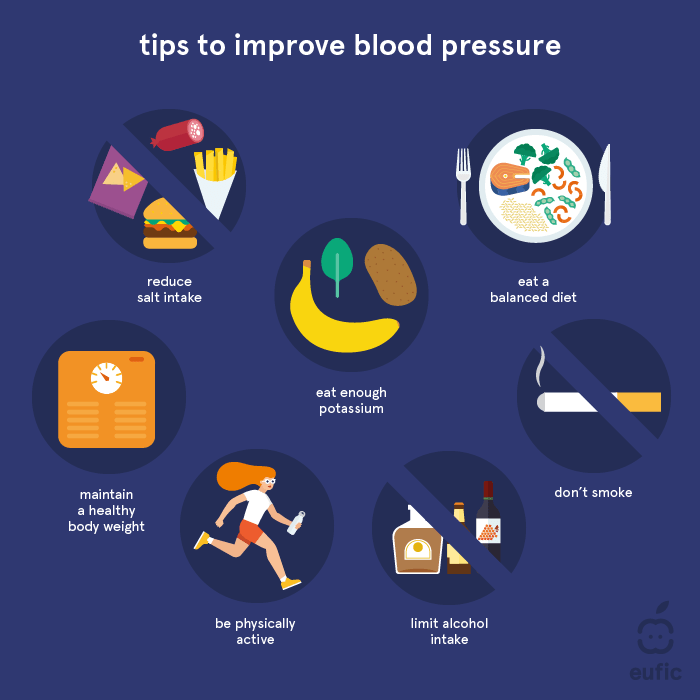
Natural ways to lower blood pressure include maintaining a healthy weight, reducing sodium intake, eating a diet rich in fruits and vegetables, exercising regularly, managing stress, and getting enough sleep.
Are there any specific foods I should avoid if I have diabetes?
People with diabetes should limit their intake of sugary drinks, processed foods, and saturated and trans fats. Focus on consuming whole grains, lean proteins, fruits, and vegetables.


More Stories
Top Mental Clarity Exercises for Memory & Focus
Best Morning Routines for a Healthy Lifestyle
How to boost energy with nutritional supplements