Latest Trends in Remote Patient Monitoring
The evolution of remote patient monitoring technology has seen significant advancements in recent years. From basic wearable devices to sophisticated sensors and mobile apps, the technology has become more accessible and user-friendly.
Telehealth has played a crucial role in shaping the landscape of remote patient monitoring. With the widespread adoption of telehealth services, patients can now easily connect with their healthcare providers from the comfort of their homes. This has led to increased convenience and improved access to care for patients, especially those living in remote areas.
Remote patient monitoring offers a plethora of benefits for both patients and healthcare providers. Patients can enjoy continuous monitoring of their health conditions, leading to early detection of any potential issues and timely intervention. This not only improves patient outcomes but also reduces the need for frequent hospital visits and emergency room admissions. On the other hand, healthcare providers can remotely monitor multiple patients simultaneously, leading to more efficient care management and better allocation of resources.
Impact of Remote Patient Monitoring on Healthcare Industry
Remote patient monitoring has revolutionized the healthcare industry by providing real-time data on patient health status. This enables healthcare providers to make informed decisions and tailor treatment plans according to individual needs. Additionally, remote monitoring has shown promising results in chronic disease management, leading to improved patient adherence and better outcomes.
Integration of AI in Remote Patient Monitoring
The integration of artificial intelligence (AI) in remote patient monitoring has further enhanced the capabilities of this technology. AI algorithms can analyze large volumes of patient data to identify patterns, predict health trends, and provide personalized recommendations. This not only improves the efficiency of remote monitoring but also enables proactive healthcare interventions, ultimately leading to better patient outcomes.
Stress Management
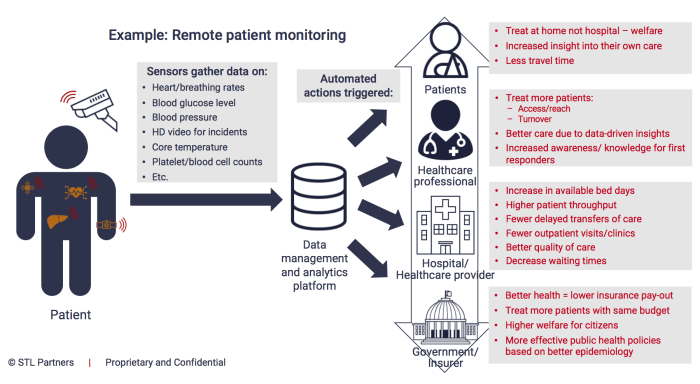
Latest trends in remote patient monitoring – Managing stress is crucial in a remote patient monitoring setting as it can impact patient outcomes and overall well-being. Stress management techniques can help healthcare providers and patients navigate the challenges of monitoring health remotely.
Strategies for Managing Stress in Remote Patient Monitoring
- Establishing a routine: Creating a schedule for monitoring activities can help reduce feelings of overwhelm and uncertainty.
- Encouraging open communication: Maintaining clear and frequent communication between healthcare providers and patients can help alleviate stress and build trust.
- Practicing mindfulness: Techniques such as deep breathing, meditation, and yoga can help individuals cope with stress and improve mental well-being.
- Promoting self-care: Encouraging patients to prioritize self-care activities like exercise, healthy eating, and adequate sleep can help manage stress levels.
Role of Stress Management in Improving Patient Outcomes
- Reduced risk of complications: Effective stress management can help lower the risk of developing stress-related health issues, ultimately improving patient outcomes.
- Enhanced treatment adherence: Patients who effectively manage stress are more likely to adhere to their treatment plans, leading to better health outcomes.
- Improved quality of life: By reducing stress levels, patients can experience an improved quality of life and overall well-being.
Identifying Stress-Related Health Issues through Remote Patient Monitoring
- Monitoring vital signs: Remote patient monitoring allows healthcare providers to track changes in vital signs that may indicate increased stress levels.
- Utilizing symptom tracking: Patients can report symptoms related to stress, allowing healthcare providers to intervene and provide support when needed.
- Utilizing mental health assessments: Remote monitoring tools can include mental health assessments to identify stress-related issues and provide appropriate interventions.
Healthy Lifestyle
Remote patient monitoring plays a vital role in promoting a healthier lifestyle for individuals. By tracking and analyzing vital health data, this technology encourages individuals to make positive changes in their daily habits to improve overall wellness.
Importance of Diet and Exercise
Proper diet and regular exercise are key components of a healthy lifestyle, and remote patient monitoring helps individuals stay on track with their health goals. By monitoring factors like blood pressure, heart rate, and activity levels, patients can receive personalized recommendations for diet and exercise from healthcare providers.
Through remote monitoring, patients can track their progress, set achievable goals, and stay motivated to make healthy choices. This proactive approach empowers individuals to take control of their health and prevent chronic conditions related to poor diet and sedentary lifestyles.
Promoting Overall Wellness
Remote patient monitoring goes beyond just tracking physical health metrics; it also promotes overall wellness by encouraging a holistic approach to health. By monitoring stress levels, sleep patterns, and mental well-being, individuals can gain a deeper understanding of their overall health and make informed decisions to improve their quality of life.
With the help of remote monitoring technology, individuals can create a comprehensive wellness plan that includes diet, exercise, stress management, and mental health strategies. This integrated approach ensures that individuals are taking care of their physical, mental, and emotional well-being for a balanced and healthy lifestyle.
Medical Innovations: Latest Trends In Remote Patient Monitoring
Remote patient monitoring devices have seen significant advancements in recent years, thanks to the continuous evolution of medical technology. These innovations have not only improved patient care but also made it more convenient and efficient for healthcare providers to track and monitor their patients remotely.
Latest Medical Innovations in Remote Patient Monitoring Devices
- Smart wearable devices equipped with sensors that can monitor vital signs such as heart rate, blood pressure, and oxygen levels in real-time.
- Implantable devices that can continuously monitor and transmit data on various health parameters, providing a more comprehensive view of the patient’s health status.
- Mobile health apps that allow patients to input their symptoms, medication adherence, and other relevant health information, which can be accessed by healthcare providers for remote monitoring.
Artificial Intelligence in Remote Patient Monitoring
- AI algorithms can analyze the vast amounts of data collected from remote patient monitoring devices to identify patterns, predict health trends, and alert healthcare providers of any anomalies or potential issues.
- Machine learning algorithms can personalize treatment plans based on individual patient data, improving the effectiveness of remote patient monitoring and enhancing patient outcomes.
- AI-powered chatbots and virtual assistants can provide real-time support to patients, answering their queries, reminding them of medication schedules, and offering guidance on managing their health conditions.
Role of Wearable Technology in Remote Patient Monitoring
- Wearable devices such as smartwatches, fitness trackers, and patches play a crucial role in remote patient monitoring by continuously tracking and transmitting vital health data to healthcare providers.
- These devices enable patients to actively participate in their own healthcare management by monitoring their health metrics, receiving alerts and reminders, and sharing their data with their healthcare team.
- Wearable technology allows for early detection of health issues, timely interventions, and improved communication between patients and healthcare providers, leading to better health outcomes and reduced hospitalizations.
Nutritional Supplements
Proper nutrition plays a crucial role in maintaining overall health and well-being. When it comes to remote patient monitoring, the use of nutritional supplements can offer additional support in managing various health conditions and promoting better outcomes for patients.
Potential Benefits of Nutritional Supplements in Remote Patient Monitoring
Nutritional supplements can provide essential vitamins, minerals, and nutrients that may be lacking in a patient’s diet, especially for those with specific health concerns or dietary restrictions. By incorporating these supplements into their daily routine, patients can potentially improve their overall health and well-being, which can be monitored and tracked through remote patient monitoring systems.
Tracking the Effects of Nutritional Supplements
Remote patient monitoring allows healthcare providers to closely monitor the effects of nutritional supplements on patients’ health outcomes. By tracking vital signs, symptoms, and other relevant data, healthcare professionals can assess the impact of these supplements on the patient’s overall health and make informed decisions about their ongoing care and treatment plan.
Importance of Proper Nutrition in Remote Patient Monitoring
Ensuring that patients receive adequate nutrition is essential for optimizing the effectiveness of remote patient monitoring. Proper nutrition can help support the body’s immune system, improve recovery times, and enhance overall health outcomes. By emphasizing the importance of proper nutrition in conjunction with remote patient monitoring, healthcare providers can help patients achieve better health outcomes and quality of life.
Fitness Routine
Regular physical activity plays a crucial role in maintaining overall health and well-being. In the context of remote patient monitoring, tracking fitness routines can provide valuable insights into a patient’s progress and help healthcare providers tailor interventions accordingly.
Examples of Fitness Routines Monitored Remotely
- Cardiovascular exercises such as running, cycling, or swimming
- Strength training routines using body weight or resistance bands
- Yoga or Pilates sessions for flexibility and balance
- High-intensity interval training (HIIT) workouts for efficient calorie burning
Role of Physical Activity in Remote Patient Monitoring
Regular physical activity is essential for managing chronic conditions, improving cardiovascular health, and boosting mental well-being. By monitoring fitness routines remotely, healthcare providers can track progress, identify areas for improvement, and motivate patients to stay active for better health outcomes.
How Remote Monitoring Helps Patients Adhere to Fitness Routines
- Real-time feedback and performance tracking can motivate patients to stay consistent with their exercise routines.
- Personalized workout plans based on remote monitoring data can help patients set achievable goals and track their progress effectively.
- Virtual coaching and support from healthcare providers can provide guidance and encouragement to patients, enhancing their adherence to fitness routines.
Health Screenings
Remote patient monitoring plays a crucial role in facilitating health screenings by allowing healthcare providers to remotely monitor and track patients’ vital signs, symptoms, and health data. This technology enables continuous and real-time monitoring, making it easier to schedule regular health screenings and follow-ups for patients, especially those with chronic conditions.
Regular health screenings in a remote setting offer numerous benefits, including early detection of health issues, prevention of complications, and timely intervention. By conducting screenings remotely, patients can save time and avoid the hassle of traveling to healthcare facilities, making it more convenient for individuals to prioritize their health.
Remote monitoring can help detect health issues early through screenings by providing healthcare providers with access to a patient’s health data over time. This longitudinal data allows for trend analysis, identification of abnormalities, and early warning signs of potential health problems. By detecting issues early, healthcare providers can intervene promptly and prevent the progression of diseases or complications.
Benefits of Remote Health Screenings
- Early detection of health issues
- Convenience for patients
- Timely intervention and prevention
- Longitudinal data for trend analysis
Disease Prevention
Remote patient monitoring plays a crucial role in disease prevention by enabling healthcare providers to closely monitor patients’ health conditions, detect potential issues early on, and implement timely interventions to prevent the progression of diseases.
Role of Remote Monitoring in Disease Prevention
- Early Detection: Remote monitoring allows for continuous tracking of vital signs, symptoms, and other health indicators, facilitating early detection of any deviations from the normal range. This early detection enables healthcare providers to intervene promptly and prevent the development of serious health conditions.
- Lifestyle Modifications: Through remote monitoring, healthcare professionals can monitor patients’ adherence to prescribed lifestyle modifications, such as diet and exercise routines. By providing real-time feedback and guidance, remote monitoring encourages patients to adopt healthier habits that can lower their risk of developing chronic diseases.
- Preventive Screenings: Remote monitoring can also facilitate regular health screenings and preventive care measures, ensuring that patients receive timely screenings for conditions such as hypertension, diabetes, and cardiovascular diseases. By detecting these conditions early, healthcare providers can implement preventive strategies to reduce the risk of complications.
Sleep Hygiene
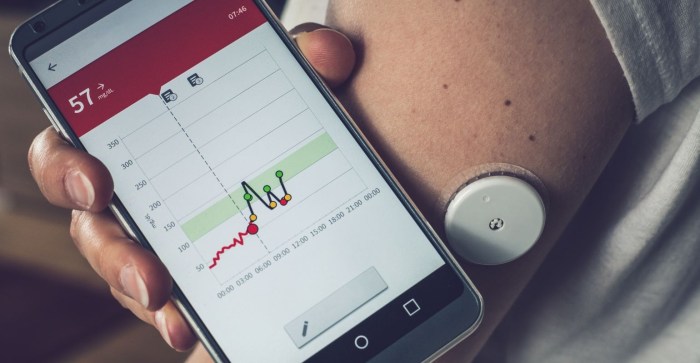
Creating a conducive environment for quality sleep is essential for overall health, especially in a remote patient monitoring setting where individuals may face additional stressors affecting their sleep patterns.
Tips for Improving Sleep Hygiene
- Avoid screen time before bed to reduce exposure to blue light, which can disrupt sleep.
- Establish a consistent sleep schedule to regulate your body’s internal clock.
- Create a relaxing bedtime routine to signal to your body that it’s time to wind down.
- Keep your bedroom dark, quiet, and at a comfortable temperature to promote restful sleep.
- Avoid caffeine and heavy meals close to bedtime to prevent sleep disturbances.
Impact of Sleep Quality on Overall Health Outcomes
Poor sleep quality can have detrimental effects on physical and mental health, leading to issues such as weakened immune function, cognitive impairment, and increased risk of chronic conditions like heart disease and diabetes.
How Remote Monitoring Tracks and Analyzes Sleep Patterns
Remote patient monitoring devices equipped with sleep tracking capabilities can monitor factors like sleep duration, sleep stages, and disruptions throughout the night. By analyzing this data, healthcare providers can identify patterns, assess sleep quality, and make recommendations to improve sleep hygiene for better health outcomes.
Mental Clarity
In today’s fast-paced world, mental clarity is essential for overall well-being. It allows individuals to think clearly, make sound decisions, and maintain focus on daily tasks. When it comes to remote patient monitoring, mental clarity plays a crucial role in ensuring that patients are able to effectively manage their health from a distance.
Relationship Between Mental Clarity and Remote Patient Monitoring, Latest trends in remote patient monitoring
Remote patient monitoring involves the use of technology to track and monitor patients’ health data from a distance. This can include vital signs, medication adherence, and symptom tracking. By utilizing remote monitoring tools, healthcare providers can better assess a patient’s cognitive health and overall mental well-being.
Managing Cognitive Health with Remote Monitoring
Remote monitoring can provide valuable insights into a patient’s cognitive health by tracking changes in behavior, mood, and cognitive function over time. This data can help healthcare providers identify early signs of cognitive decline or mental health issues, allowing for timely intervention and support.
Importance of Mental Clarity in a Remote Setting
In a remote setting, maintaining mental clarity is crucial for patients to actively participate in their healthcare management. Clear communication, adherence to treatment plans, and decision-making all rely on mental clarity. Remote monitoring can support patients in staying engaged and focused on their health goals, leading to better outcomes and improved overall well-being.
Hydration Importance
Proper hydration is crucial for overall health and well-being, especially in the context of remote patient monitoring. Staying hydrated is essential for maintaining bodily functions, supporting metabolism, and ensuring optimal performance of various systems in the body.
Tracking Hydration Levels
Remote patient monitoring can play a significant role in tracking hydration levels of individuals. By incorporating devices that measure hydration status, healthcare providers can monitor changes in hydration levels and identify potential issues early on. This data can provide valuable insights into a patient’s health and help in making informed decisions regarding their care.
- Utilizing wearable devices equipped with hydration sensors to track fluid intake and output.
- Monitoring urine color and frequency to assess hydration status remotely.
- Setting hydration goals based on individual needs and ensuring they are met throughout the day.
Detailed FAQs
How can remote patient monitoring improve healthcare outcomes?
Remote patient monitoring allows for continuous tracking of vital health metrics, early detection of issues, and personalized care plans, leading to improved outcomes and better patient management.
What are the benefits of integrating artificial intelligence in remote patient monitoring?
Artificial intelligence can analyze vast amounts of patient data quickly, provide insights for healthcare providers, and enhance predictive analytics for proactive patient care.
How does remote patient monitoring encourage a healthier lifestyle?
By enabling patients to track their health metrics, receive real-time feedback, and engage in proactive health management, remote patient monitoring promotes awareness and accountability towards healthier lifestyle choices.


More Stories
Telemedicine Innovations: Enhancing Patient Care