Stress Management Techniques During Pregnancy
Pregnancy is a beautiful journey, but it can also bring about a lot of stress and anxiety for expectant mothers. It is crucial to manage stress effectively during pregnancy for the well-being of both the mother and the baby. Stress management techniques can help reduce the negative impact of stress and promote a healthier pregnancy.
Importance of Stress Management During Pregnancy
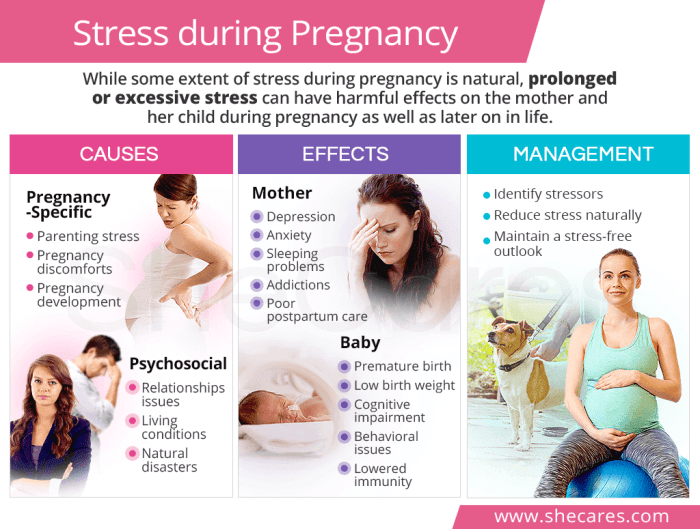
Stress management during pregnancy is essential as high levels of stress can have detrimental effects on both the mother and the baby. Chronic stress during pregnancy has been linked to a higher risk of preterm birth, low birth weight, and developmental issues in the baby. Additionally, stress can lead to complications such as preeclampsia and gestational diabetes in the mother.
Common Stressors for Pregnant Women
Pregnant women often face various stressors such as financial concerns, relationship issues, work pressure, changes in body image, and fear of labor and delivery. These stressors can significantly impact the mental and emotional well-being of expectant mothers.
Impact of Stress on Mother and Baby
Stress can lead to a range of physical and emotional symptoms in pregnant women, including insomnia, headaches, anxiety, and depression. In the long term, chronic stress can affect the baby’s brain development and increase the risk of behavioral issues later in life.
Practical Techniques for Managing Stress During Pregnancy
– Practice relaxation techniques such as deep breathing, meditation, and yoga.
– Stay physically active with prenatal exercise classes or gentle walks.
– Prioritize self-care and take time for activities that bring joy and relaxation.
– Seek support from loved ones, friends, or a counselor to talk about your feelings and concerns.
– Maintain a healthy diet and get plenty of rest to support your overall well-being during pregnancy.
Healthy Lifestyle Choices for Pregnant Women
Maintaining a healthy lifestyle during pregnancy is crucial for reducing stress and promoting overall well-being for both the mother and the baby. By making conscious choices regarding diet, exercise, and daily routines, pregnant women can better manage stress levels and ensure a smoother pregnancy journey.
Role of a Healthy Lifestyle in Reducing Stress
A healthy lifestyle that includes regular exercise, a balanced diet, and adequate rest plays a significant role in reducing stress during pregnancy. Exercise helps release endorphins, which are known as the “feel-good” hormones, that can help combat stress and anxiety. Additionally, eating nutritious foods and getting enough sleep can contribute to overall emotional and physical well-being, ultimately reducing stress levels.
Benefits of Regular Exercise for Pregnant Women
Regular exercise during pregnancy can help improve mood, boost energy levels, and reduce stress. Low-impact activities such as walking, swimming, or prenatal yoga can be beneficial for both the mother’s physical health and mental well-being. Consult with a healthcare provider to determine safe and suitable exercise routines during pregnancy.
Importance of a Balanced Diet for Stress Management
Maintaining a balanced diet rich in fruits, vegetables, whole grains, lean proteins, and healthy fats can provide essential nutrients needed for a healthy pregnancy. Nutrient-dense foods can help regulate mood, energy levels, and overall well-being, contributing to stress management. Avoiding processed foods, sugary snacks, and excessive caffeine can also help in maintaining stable energy levels and reducing stress.
Tips on Establishing a Healthy Routine
– Prioritize self-care by setting aside time for relaxation and activities that bring joy.
– Stay hydrated by drinking plenty of water throughout the day.
– Get an adequate amount of sleep each night to support physical and emotional health.
– Practice mindfulness techniques such as deep breathing, meditation, or prenatal yoga to reduce stress.
– Seek support from healthcare providers, family, and friends to navigate the challenges of pregnancy.
Medical Innovations for Stress Relief in Pregnancy
Pregnancy can be a challenging time for many women, and managing stress is crucial for the health of both the mother and the baby. Fortunately, there are modern medical techniques available to help pregnant women cope with stress and improve their overall well-being.
Biofeedback Therapy
Stress management techniques during pregnancy – Biofeedback therapy is a cutting-edge medical innovation that has shown promising results in helping pregnant women reduce stress levels. This technique involves monitoring physiological functions such as heart rate, muscle tension, and skin temperature, providing real-time feedback to help individuals learn how to control these bodily responses. By training pregnant women to regulate their physiological reactions, biofeedback therapy can effectively reduce stress and promote relaxation during pregnancy.
Virtual Reality (VR) Therapy
Virtual reality therapy is another innovative approach that is being used to help pregnant women manage stress. By immersing individuals in a virtual environment that promotes relaxation and mindfulness, VR therapy can provide a calming escape from the pressures of daily life. This technology allows pregnant women to experience soothing scenes and sounds, helping them unwind and reduce anxiety levels.
Mindfulness Meditation Apps
In this digital age, there are various mindfulness meditation apps available that cater specifically to pregnant women. These apps offer guided meditation sessions, breathing exercises, and stress-relief techniques designed to promote relaxation and mindfulness. By incorporating these apps into their daily routine, pregnant women can easily access tools to help them manage stress and stay grounded throughout their pregnancy.
Nutritional Supplements for Stress Management in Pregnancy
During pregnancy, maintaining optimal nutrition is crucial for both the health of the mother and the developing baby. Nutritional supplements can play a significant role in reducing stress levels and promoting overall well-being during this critical period.
Role of Nutritional Supplements in Reducing Stress
- Omega-3 fatty acids, such as DHA, have been shown to support brain health and reduce symptoms of anxiety and depression in pregnant women.
- Magnesium is known to help relax muscles and promote better sleep, which can help alleviate stress and improve overall mood.
- Vitamin B complex, particularly B6 and B12, are essential for regulating mood and reducing symptoms of stress and anxiety.
Impact of Specific Nutrients on Stress Levels
- Iron supplements can help prevent fatigue and mood swings, common symptoms of stress during pregnancy.
- Calcium and vitamin D play a crucial role in maintaining bone health and muscle function, which can contribute to overall stress reduction.
- Zinc and selenium are important minerals that support the immune system and can help combat the effects of stress on the body.
Safety and Effectiveness of Using Supplements
- It is important to consult with a healthcare provider before starting any new supplements during pregnancy to ensure safety and appropriateness.
- Choose high-quality supplements from reputable brands to ensure effectiveness and minimize the risk of contamination.
- Stick to the recommended dosage and avoid exceeding the daily limits to prevent any potential harm to you or your baby.
Recommendations for Incorporating Supplements into Prenatal Routine
- Discuss your nutritional needs with your healthcare provider to determine which supplements are best suited for you based on your individual requirements.
- Establish a consistent routine for taking supplements to ensure you do not miss any doses and maximize their benefits.
- Consider incorporating supplements into your meals or snacks to improve absorption and minimize any potential digestive discomfort.
Fitness Routine for Stress Reduction in Pregnancy: Stress Management Techniques During Pregnancy
Stress management during pregnancy is crucial for the health and well-being of both the mother and the baby. One effective way to reduce stress is by incorporating a fitness routine tailored specifically for pregnant women.
Benefits of a Fitness Routine for Managing Stress During Pregnancy
- Improves mood and reduces anxiety levels
- Enhances overall physical health and stamina
- Promotes better sleep quality
- Helps in maintaining a healthy weight during pregnancy
Safe and Effective Exercises for Pregnant Women
- Walking: A low-impact exercise that can be easily incorporated into daily routine
- Swimming: Great for cardiovascular health and reduces stress on joints
- Prenatal yoga: Improves flexibility, strength, and relaxation
- Modified strength training: Focus on light weights and resistance bands under supervision
Importance of Staying Active for Overall Well-being During Pregnancy
Maintaining an active lifestyle during pregnancy not only helps in managing stress but also contributes to a healthier pregnancy overall. It can aid in reducing the risk of gestational diabetes, high blood pressure, and excessive weight gain.
Tips on Creating a Personalized Fitness Plan for Pregnant Women
- Consult with a healthcare provider before starting any exercise routine
- Choose activities that you enjoy and are safe for pregnancy
- Start slowly and gradually increase intensity and duration
- Listen to your body and modify exercises as needed
Health Screenings for Stress Management in Pregnancy
Regular health screenings play a crucial role in ensuring the well-being of both the mother and the baby during pregnancy. These screenings help healthcare professionals detect any potential issues early on, including stress-related concerns, and take necessary actions to manage them effectively.
Significance of Regular Health Screenings, Stress management techniques during pregnancy
Health screenings are essential to monitor the physical and emotional health of pregnant women throughout their pregnancy journey. They provide valuable insights into any underlying conditions or risks that may impact the pregnancy, allowing for timely interventions and support.
How Health Screenings Help Identify and Address Stress-Related Issues
Health screenings can help identify stress-related issues by assessing various factors such as blood pressure, heart rate, hormone levels, and overall mental well-being. By recognizing these signs early on, healthcare professionals can recommend appropriate interventions and support to manage stress effectively.
Common Screenings Recommended for Pregnant Women
- Blood pressure monitoring: Regular checks to ensure blood pressure levels are within a healthy range.
- Lab tests: Screening for conditions such as gestational diabetes, anemia, and thyroid disorders.
- Mental health assessments: Evaluating emotional well-being and addressing any signs of anxiety or depression.
- Ultrasound scans: Monitoring fetal development and identifying any potential complications.
Role of Healthcare Professionals in Stress Management During Pregnancy
Healthcare professionals, including obstetricians, midwives, and mental health specialists, play a crucial role in supporting pregnant women through stress management. They provide guidance, education, and personalized care to help women navigate the challenges of pregnancy and promote overall well-being.
Disease Prevention Strategies for Pregnant Women
Pregnant women need to take extra precautions to prevent diseases that can harm both them and their developing baby. By following certain preventive measures, they can reduce stress and ensure overall well-being during this crucial time.
Importance of Vaccinations and Disease Prevention Methods
- It is crucial for pregnant women to stay up to date on vaccinations recommended by healthcare providers to prevent diseases like influenza and whooping cough.
- Regular handwashing and avoiding contact with sick individuals can also help in preventing the spread of infections.
- Proper food hygiene, such as washing fruits and vegetables thoroughly and avoiding raw or undercooked meats, can reduce the risk of foodborne illnesses.
Tips for Avoiding Illness and Maintaining a Healthy Immune System
- Getting enough rest, eating a balanced diet, and staying hydrated are essential for maintaining a healthy immune system during pregnancy.
- Engaging in regular exercise, such as prenatal yoga or swimming, can also boost immunity and reduce stress levels.
- Avoiding smoking, alcohol, and illicit drugs is crucial for disease prevention and the overall well-being of both the mother and the baby.
Specific Diseases to Be Mindful of During Pregnancy
- Gestational diabetes: Proper management of blood sugar levels through diet and exercise is essential to prevent complications.
- Toxoplasmosis: Pregnant women should avoid handling cat litter boxes and consuming undercooked meat to prevent this parasitic infection.
- Cytomegalovirus (CMV): Practicing good hygiene and avoiding close contact with young children’s bodily fluids can help prevent CMV infection.
Importance of Sleep Hygiene During Pregnancy
Pregnancy can be a challenging time for many women, both physically and emotionally. One crucial aspect of maintaining overall well-being during pregnancy is ensuring adequate sleep. Proper sleep hygiene is essential for managing stress levels and promoting a healthy pregnancy.
Impact of Sleep on Stress Levels During Pregnancy
Quality sleep plays a vital role in regulating stress levels during pregnancy. Lack of proper sleep can lead to increased anxiety, irritability, and difficulty coping with daily stressors. Adequate rest is crucial for the physical and mental well-being of both the mother and the baby.
Tips for Improving Sleep Hygiene for Pregnant Women
- Establish a consistent bedtime routine to signal your body that it’s time to wind down.
- Avoid caffeine and heavy meals close to bedtime to promote better sleep quality.
- Create a comfortable sleep environment with a supportive mattress and pillows.
- Practice relaxation techniques such as deep breathing or gentle yoga before bedtime.
Common Sleep Challenges Faced by Pregnant Women
Many pregnant women experience sleep disturbances due to physical discomfort, hormonal changes, and anxiety about the upcoming changes in their lives. Common challenges include frequent trips to the bathroom, back pain, and difficulty finding a comfortable sleeping position.
Strategies for Creating a Restful Sleep Environment During Pregnancy
- Use pillows to support your body and alleviate pressure on your back and hips.
- Keep your bedroom cool, dark, and quiet to promote a relaxing sleep environment.
- Avoid screen time before bed and limit exposure to electronic devices that emit blue light.
- Consider using white noise machines or relaxation apps to help you drift off to sleep peacefully.
Mental Clarity Techniques for Pregnant Women
During pregnancy, it is essential for women to prioritize their mental clarity and focus to manage stress effectively and ensure overall well-being. Incorporating techniques to enhance mental clarity can lead to a more balanced and positive pregnancy experience.
Benefits of Mindfulness and Meditation
- Practicing mindfulness and meditation can help pregnant women reduce anxiety and enhance their ability to focus on the present moment.
- These techniques promote relaxation, improve sleep quality, and contribute to better emotional regulation during pregnancy.
- By cultivating mindfulness, pregnant women can develop a deeper sense of self-awareness and cope with stress more effectively.
Cognitive Exercises for Mental Sharpness
- Engaging in puzzles, memory games, and other cognitive exercises can help pregnant women maintain mental sharpness and cognitive function.
- Reading, writing, and learning new skills stimulate the brain and support mental clarity throughout pregnancy.
- Practicing deep breathing exercises and visualization techniques can also enhance focus and concentration.
Strategies for Maintaining Mental Clarity
- Establishing a daily routine that includes time for relaxation, meditation, and mental clarity exercises can support overall well-being.
- Setting realistic goals and priorities can help pregnant women stay focused and organized, reducing feelings of overwhelm.
- Seeking support from healthcare providers, counselors, or support groups can provide additional resources and guidance for maintaining mental clarity.
Importance of Hydration for Pregnant Women
Staying hydrated is crucial for pregnant women as it plays a vital role in managing stress levels during pregnancy. Adequate hydration helps in maintaining the overall well-being of both the mother and the developing baby.
Significance of Hydration During Pregnancy
- Hydration helps in regulating body temperature and preventing overheating, which can contribute to stress.
- Proper water intake ensures the proper functioning of the body’s systems, reducing the risk of complications.
- Dehydration can lead to fatigue, headaches, and irritability, all of which can exacerbate stress levels.
Effects of Dehydration on Mother and Baby
- Dehydration in pregnant women can lead to contractions, urinary tract infections, and even preterm labor.
- For the baby, dehydration can affect the amniotic fluid levels, leading to potential developmental issues.
Tips for Ensuring Adequate Hydration
- Carry a water bottle with you at all times to remind yourself to drink regularly throughout the day.
- Set reminders on your phone or create a hydration schedule to ensure you are drinking enough water daily.
- Incorporate hydrating foods like fruits and vegetables into your diet to supplement your water intake.
Role of Water in Supporting Health During Pregnancy
- Water is essential for nutrient absorption, waste elimination, and overall cellular function in the body.
- Proper hydration can help alleviate common pregnancy discomforts like constipation and swelling.
- Drinking enough water can also aid in maintaining healthy amniotic fluid levels for the baby’s development.
FAQ Corner
How does stress affect the baby during pregnancy?
High levels of stress can impact the baby’s development and may lead to complications. It’s essential to manage stress effectively for the well-being of both the mother and the child.
Are all types of exercise safe during pregnancy?
Not all exercises are suitable for pregnant women. It’s important to consult with a healthcare provider to determine the most appropriate and safe exercise routines during pregnancy.
Can mental clarity techniques help with pregnancy-related stress?
Yes, techniques such as mindfulness and meditation can be beneficial in reducing stress levels and promoting mental well-being during pregnancy.
Is it necessary to take nutritional supplements during pregnancy?
While a balanced diet is crucial, some pregnant women may benefit from nutritional supplements to ensure they meet their daily requirements. Consult a healthcare provider before taking any supplements.
How can hydration impact stress levels during pregnancy?
Proper hydration is essential for overall health and stress management during pregnancy. Dehydration can exacerbate stress and affect both the mother and the baby.


More Stories